How to effectively manage screen time for gaming without constant arguments?
Navigating the Digital Playground: Finding Harmony in Gaming
For many parents, the phrase “screen time” can feel like a loaded term, especially when it comes to gaming. It’s a common battlefield in households, leading to daily negotiations, frustrations, and often, heated arguments. Yet, with a thoughtful approach and consistent strategies, it’s entirely possible to manage gaming screen time effectively, turning conflict into collaboration and fostering healthier digital habits.
The key lies not in outright banning but in understanding, setting clear boundaries, and fostering open communication. Let’s explore how to achieve this balance without the constant battles.
Understanding the Allure of Gaming
Before setting limits, it’s helpful to understand why gaming is so captivating for children. Games offer a unique blend of challenge, social connection, and often, a sense of achievement and escapism. They can foster problem-solving skills, hand-eye coordination, and even teamwork. Acknowledging these positive aspects can help bridge the understanding gap between parents and children.

Shifting from Conflict to Collaboration
The biggest shift you can make is moving away from an authoritarian “my way or the highway” approach towards one of partnership. Involving your child in the process of setting rules and boundaries often leads to greater buy-in and less resistance.
1. Establish Clear, Agreed-Upon Rules
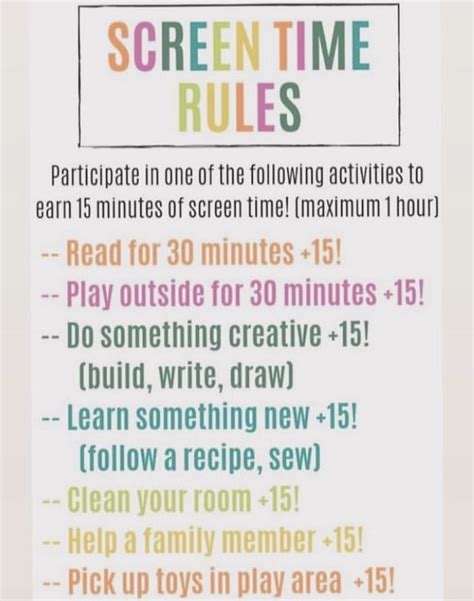
Sit down with your child and discuss screen time expectations. What constitutes “screen time” for gaming? When is it allowed? For how long? Write these rules down and post them visibly. Clarity is paramount. Define “game over” – is it when the timer rings, or after completing a level/quest?
2. Implement a “Screen Time Budget”
Instead of rigid daily limits, consider a weekly “screen time budget.” This allows for flexibility. Perhaps they save up time for a longer gaming session on the weekend or use less during exam periods. This teaches them planning and self-regulation. You can also link screen time to responsibilities – “first homework/chores, then gaming.” Frame it as a privilege earned, not a right taken away.

3. Prioritize Other Activities
Ensure that gaming doesn’t overshadow other crucial developmental activities. Encourage outdoor play, reading, creative hobbies, and family time. Make these non-screen activities appealing and readily available. A healthy balance means gaming is one of many enriching experiences, not the sole focus.
4. Lead by Example
Children are keen observers. If you’re constantly glued to your phone or TV, it’s harder to enforce limits on their screen time. Model healthy screen habits. Designate “device-free” times, such as during meals or family outings, and stick to them yourself.

5. Use Technology to Your Advantage
There are numerous parental control apps and router settings that can help enforce screen time limits automatically. These tools can prevent arguments by having technology be the “bad guy” instead of you. Look into features that can schedule “off” times or even pause internet access to specific devices.

6. Respect the “Pause” and Give Warnings
Few things are more frustrating for a child than being pulled away mid-game without warning. Give them a 5-10 minute heads-up before their time is up. Understand that many games require completing a level or reaching a save point. A little empathy can go a long way in preventing meltdowns.
7. Engage and Understand
Show interest in what your child is playing. Ask them about their games, characters, and achievements. Occasionally, sit down and play with them. This not only shows you care but also gives you insight into the content and social interactions, allowing for more informed decision-making.
Conclusion: Consistency and Communication are Key
Managing gaming screen time without constant arguments requires patience, consistency, and open communication. It’s an ongoing process, not a one-time fix. By involving your children in setting boundaries, understanding their motivations, and leading by example, you can transform a source of conflict into an opportunity to teach valuable life skills like self-regulation, time management, and responsible digital citizenship. The goal is not to eliminate gaming, but to integrate it into a balanced and healthy lifestyle.