How to choose games that are fun, safe, and age-appropriate for my child?

Navigating the World of Children’s Games
In today’s digital and physical landscape, the options for children’s games are seemingly endless. For parents, this abundance presents a unique challenge: how to select games that not only entertain but also enrich their child’s development, all while prioritizing their safety and ensuring they are age-appropriate. This guide aims to simplify that process, empowering you to make informed choices for your child’s playtime.
Understanding Age Appropriateness and Developmental Stages
The concept of age-appropriateness goes beyond mere content; it deeply involves a child’s cognitive, emotional, and social developmental stage. A game that is too complex can lead to frustration, while one that is too simple can quickly become boring. Consider:
- Toddlers (1-3 years): Focus on sensory exploration, simple cause-and-effect, and basic motor skills. Physical toys like building blocks, shape sorters, and musical instruments are ideal.
- Preschoolers (3-5 years): Encourage imaginative play, early problem-solving, and social interaction. Pretend play sets, simple board games, and creative apps fit well.
- School-Age (6-12 years): Look for games that foster strategy, critical thinking, teamwork, and more complex narratives. Video games with puzzles, cooperative board games, and sports are great.
- Teenagers (13+ years): They often seek games with deeper storytelling, complex challenges, and significant social elements. RPGs, strategic simulations, and competitive sports games are popular.

Prioritizing Safety: Online and Offline
Safety is paramount, whether the game is physical or digital. For physical games, check for choking hazards for young children, sturdy construction, and non-toxic materials. Always supervise playtime with smaller children.
For online games, the considerations are different but equally vital:
- Privacy Settings: Ensure all accounts are set to the highest privacy levels.
- In-App Purchases: Disable or password-protect these to avoid unexpected costs.
- Online Interactions: Teach children about stranger danger and cyberbullying. Monitor chat functions and encourage them to report any uncomfortable interactions.
- Content Filtering: Utilize parental controls available on devices, consoles, and platforms to restrict access to inappropriate content.

Ensuring Fun and Engagement
An educational game isn’t effective if a child refuses to play it. Fun is a critical component of engagement and learning. Observe your child’s interests and personality. Do they enjoy competition, storytelling, creativity, or problem-solving? Look for games that align with their innate curiosity and provide a suitable challenge without being overwhelming.
Consider games that offer:
- Replayability: Can the game be played multiple times with varying outcomes?
- Creativity: Does it allow for imaginative expression or building?
- Social Interaction: Does it encourage collaboration or healthy competition with others?
The Role of Content Ratings and Reviews
Content rating systems, such as ESRB in North America, PEGI in Europe, and others globally, provide valuable guidelines on a game’s content (e.g., violence, language, suggestive themes, drug reference). While these ratings are excellent starting points, they are not a substitute for parental judgment.
- Understand the Ratings: Familiarize yourself with the symbols and descriptors for your region.
- Read Reviews: Look for reviews from other parents or reputable gaming sites that focus on the child’s perspective.
- Watch Gameplay Videos: A quick search on video platforms can give you a firsthand look at what the game involves, allowing you to assess if it aligns with your family’s values and your child’s maturity.

Balancing Screen Time and Other Activities
Games, especially digital ones, should be part of a balanced lifestyle. Encourage a variety of activities, including outdoor play, reading physical books, creative arts, and face-to-face social interactions. Set clear, consistent boundaries for screen time, and explain the reasons behind these limits to your child.

Parental Involvement and Communication
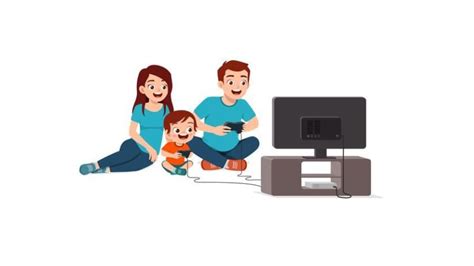
The best way to know if a game is right for your child is to engage with it yourself. Play games with your child, even if just for a few minutes. This not only builds a stronger bond but also allows you to observe content, gauge difficulty, and understand its impact.
Open communication is key. Discuss the games your child is playing. Ask them about their favorite parts, what they learned, or any challenges they faced. This fosters critical thinking and provides opportunities to address any concerns in a supportive environment.

Conclusion
Choosing games for your child is an ongoing journey of discovery and adaptation. By thoughtfully considering age-appropriateness, prioritizing safety, ensuring the element of fun, utilizing content ratings, managing screen time, and actively engaging with your child, you can curate a positive and enriching play experience that supports their growth and well-being. Remember, the goal is not just to find a game, but to find the right game for your unique child.