How to choose age-appropriate games & set healthy screen time limits?

In today’s digitally saturated world, video games and screens are an undeniable part of most children’s lives. While they can offer educational benefits, foster creativity, and provide entertainment, parents often grapple with the challenge of ensuring these experiences are positive and balanced. The key lies in understanding how to select games that align with a child’s developmental stage and establishing healthy boundaries for screen use.
Understanding Age-Appropriate Game Selection
The vast universe of video games can be overwhelming. Choosing the right games isn’t just about avoiding explicit content; it’s about finding titles that challenge, engage, and entertain without causing undue stress or exposing children to themes they aren’t ready for.

Utilize Rating Systems
The most straightforward tool for game selection is the rating system. Organizations like the Entertainment Software Rating Board (ESRB) in North America or the Pan European Game Information (PEGI) in Europe provide age classifications and content descriptors. These ratings offer crucial insights into a game’s content, including violence, language, drug references, and suggestive themes. Always check these ratings before a purchase or download.
Consider Developmental Stages
Beyond official ratings, think about your child’s individual developmental stage. A game rated E for Everyone might still be too complex for a very young child who struggles with fine motor skills or abstract thinking. Look for games that match their cognitive abilities, problem-solving skills, and emotional maturity. Does the game promote cooperation, critical thinking, or creativity? Or does it rely on repetitive, mindless tasks?
Research and Reviews
Don’t just rely on the cover art. Watch gameplay videos on platforms like YouTube, read reviews from reputable parenting sites or gaming publications, and talk to other parents. Understanding the actual mechanics and themes of a game can give you a much clearer picture of its suitability.
Setting Healthy Screen Time Limits
Once you’ve chosen appropriate games, the next critical step is managing when and how much your child plays. Establishing clear, consistent screen time limits is vital for fostering a balanced lifestyle.

Follow Expert Guidelines
Organizations like the American Academy of Pediatrics (AAP) offer general guidelines for screen time. For children aged 2-5, they recommend no more than one hour per day of high-quality programming, co-viewed with a parent. For older children and adolescents, the focus shifts to ensuring screen time doesn’t displace essential activities like sleep, physical activity, and face-to-face social interaction. These are guidelines, not strict rules, and can be adapted to your family’s unique needs.
Create a Family Media Plan
Involve your children in creating a family media plan. Discuss and agree upon specific rules:
- Time Limits: How many minutes or hours per day/week are allowed?
- Screen-Free Zones: Are certain rooms (like bedrooms) or times (meal times, bedtime) designated as screen-free?
- Content Rules: What types of games and apps are permitted?
- Balance: How will screen time be balanced with homework, chores, outdoor play, reading, and family time?
Write down these rules and post them prominently.

Prioritize Other Activities
Ensure that screen time doesn’t consume time needed for physical activity, homework, reading, creative play, or social interaction with family and friends. A good rule of thumb is to ensure these essential activities are completed before screen time begins.
Utilize Parental Control Tools
Many devices, operating systems, and internet routers offer parental control features that allow you to set time limits, restrict access to certain content, and monitor usage. These tools can be valuable allies in enforcing your family’s media plan.

Lead by Example
Children are keen observers. Model healthy screen habits yourself. Put away your phone during family meals, engage in screen-free activities, and talk about your own screen usage. Your actions speak louder than words.
Fostering a Balanced Digital Life
The goal isn’t to eliminate screens, but to integrate them healthily into your child’s life. This requires ongoing effort, communication, and flexibility.

Maintain Open Communication
Regularly talk to your children about their online experiences. Ask them about the games they play, what they enjoy, and what they learn. This open dialogue builds trust and allows you to address any concerns proactively.
Make Screen Time a Shared Experience
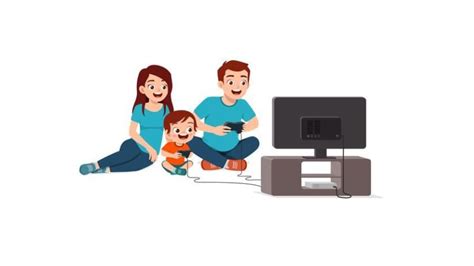
Sometimes, the best way to understand a game or app is to play it with your child. Co-viewing and co-playing allow you to discuss game content, model good digital citizenship, and turn screen time into bonding time.
Be Flexible and Adaptable
As children grow, their needs and interests change. Your family media plan should evolve with them. What worked for a 6-year-old might not work for a 12-year-old. Be prepared to review and adjust your rules as needed, always keeping your child’s well-being in mind.
Navigating the digital landscape can feel like a daunting task for parents. However, by proactively choosing age-appropriate games and establishing consistent, healthy screen time limits, you can empower your children to enjoy the benefits of technology while safeguarding their physical, emotional, and social development. Remember, balance and communication are your strongest tools in building a positive digital future for your family.