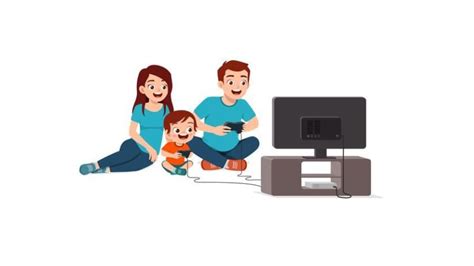
How to balance screen time and healthy habits for young gamers?
Navigating the Digital Playground: A Parent’s Guide
In today’s digital age, video games are an inescapable part of many children’s lives. For young gamers, the allure of virtual worlds, competitive challenges, and social interaction can be incredibly powerful. While gaming offers numerous benefits, from cognitive skill development to problem-solving, striking a healthy balance with real-world activities and essential habits can be a significant challenge for parents. This guide will equip you with practical strategies to ensure your child enjoys their gaming responsibly while nurturing their physical, mental, and social well-being.
Understanding the Appeal and Potential Pitfalls
To effectively manage screen time, it’s crucial to understand why gaming is so engaging for children. Games offer immediate gratification, a sense of achievement, and often a social outlet. They can be a source of joy and a way for kids to connect with friends. However, unchecked screen time can lead to issues such as sleep disruption, reduced physical activity, neglect of schoolwork, and even strained family relationships. The goal isn’t to demonize gaming, but to integrate it harmoniously into a well-rounded life.
It’s important for parents to differentiate between active and passive screen time. While a game might engage a child’s mind, binge-watching videos might not offer the same cognitive benefits. Understanding the content your child consumes is the first step towards informed management.

Establishing Clear Boundaries and Consistent Routines
The cornerstone of balance is setting clear, understandable rules and maintaining consistency. Children thrive on routine and knowing what to expect. Here’s how to implement effective boundaries:
- Time Limits: Decide on a reasonable daily or weekly screen time allowance. Use timers or parental control apps to enforce these limits. For younger children, shorter, more frequent sessions might be better than one long stretch.
- Screen-Free Zones and Times: Designate certain areas (e.g., bedrooms) and times (e.g., meal times, an hour before bed) as completely screen-free. This promotes family interaction and improves sleep hygiene.
- “First-Then” Rules: Establish that responsibilities come before gaming. For example, “First homework, then 30 minutes of gaming.”
- Consequences: Clearly communicate the consequences for not adhering to the rules. Consistency in applying these consequences is key.

Promoting a Diverse and Balanced Lifestyle
Limiting screen time is only half the battle; the other half is filling that time with enriching alternatives. Encourage a variety of activities that contribute to your child’s holistic development:
- Physical Activity: Ensure your child gets plenty of outdoor play, sports, or other physical activities. This is crucial for their physical health, energy levels, and even cognitive function.
- Creative Hobbies: Introduce them to arts and crafts, musical instruments, reading, building blocks, or imaginative play. These activities foster creativity, fine motor skills, and self-expression.
- Social Interaction: Encourage face-to-face playdates, family outings, and community involvement. Developing strong social skills offline is vital.
- Chores and Responsibilities: Involve them in household chores to teach responsibility and contribute to family life.
- Prioritize Sleep and Nutrition: These fundamental habits directly impact a child’s mood, concentration, and energy. Ensure regular bedtimes and provide nutritious meals and snacks.

Engaging and Educating Your Child
Rather than simply imposing rules, involve your child in the conversation. Understanding their perspective can lead to more effective strategies:
- Play Together: Show interest in their games. Playing with them can provide insight into what they enjoy and open channels for discussion about appropriate content and online behavior.
- Discuss Online Safety: Educate them about the dangers of sharing personal information, cyberbullying, and interacting with strangers online.
- Model Good Behavior: Children learn by example. Be mindful of your own screen time habits. Dedicate device-free time for family activities.
- Teach Digital Citizenship: Help them understand the impact of their online actions and how to be responsible and respectful digital citizens.

Leading by Example and Seeking Support
Your own screen habits are a powerful influence. Demonstrate the balance you wish to see in your children. Put your phone down during family time, engage in hobbies, and get outdoors. Show them that there’s a rich and rewarding world beyond screens.
Remember that you’re not alone in facing these challenges. Connect with other parents, read reputable parenting resources, and if you feel screen time is becoming a significant issue affecting your child’s well-being or family harmony, don’t hesitate to consult with a pediatrician or child psychologist. They can offer tailored advice and support.

Conclusion: Finding Harmony in the Digital Age
Balancing screen time and healthy habits for young gamers is an ongoing process that requires patience, consistency, and open communication. By setting clear boundaries, encouraging diverse activities, educating your child, and leading by example, you can help them develop a healthy relationship with technology. The goal is to raise digitally literate children who can enjoy the benefits of gaming without compromising their physical health, academic success, or social and emotional development. With the right approach, screen time can be a positive element in a child’s well-rounded life.