How to balance kids’ screen time & promote healthy gaming habits?

Navigating the digital landscape with children can be a minefield for modern parents. While screens offer educational content and social connection, concerns about excessive use and its impact on development are very real. The key isn’t necessarily to eliminate screens, but to find a healthy balance and foster positive digital citizenship.
Understanding the Digital Landscape
It’s important to distinguish between different types of screen time. Passive viewing of cartoons differs greatly from interactive, problem-solving video games. Some games can enhance cognitive skills, strategic thinking, and even social collaboration. The challenge lies in discerning beneficial use from mere time-wasting, and ensuring moderation.
Recognizing the allure of digital worlds is the first step. For many children, gaming isn’t just entertainment; it’s a social hub, a creative outlet, and a source of achievement. Dismissing it outright can alienate children and make open communication more difficult.
Setting Clear Boundaries and Expectations
Establishing clear, consistent rules is fundamental. This includes designated screen-free times (e.g., during meals, before bed), daily time limits, and specific areas where screens are allowed or not allowed. Involve your children in creating these rules, explaining the “why” behind them, to foster a sense of ownership and cooperation.
Consider using tools like parental controls on devices or routers to enforce limits, especially for younger children. Visual timers can also be effective in helping children understand when their screen time is nearly up, reducing power struggles. Consistency is paramount; if rules are only sometimes enforced, they lose their effectiveness.

Cultivating Healthy Gaming Habits
- Choose Wisely: Not all games are created equal. Research games for age-appropriateness, educational value, and potential for positive skill development. Look for games that encourage creativity, problem-solving, or teamwork, rather than solely repetitive or violent content.
- Encourage Breaks: Promote regular breaks from gaming. Encourage children to step away from the screen every 20-30 minutes for a stretch, a drink of water, or a quick physical activity. This helps prevent eye strain and sedentary behavior.
- Monitor Content: Stay informed about what your children are playing and who they are interacting with online. Many games have in-game chat features, which can expose children to inappropriate language or interactions. Regularly check game ratings (ESRB, PEGI) and review content.
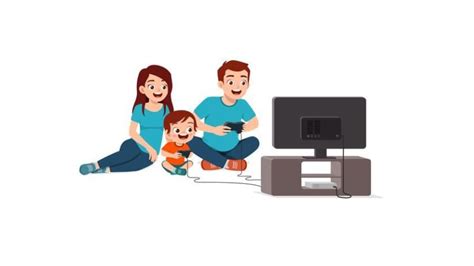
- Play Together: Join in the fun! Playing video games with your children can be a fantastic way to bond, understand their interests, and model healthy gaming behavior. It also gives you firsthand insight into the game’s content and their online interactions.
Prioritizing Offline Activities
A rich life includes a variety of experiences beyond screens. Actively encourage and provide opportunities for other activities. This could include sports, reading, creative arts, outdoor play, board games, or spending time with friends and family. Make these alternatives appealing and accessible.
Schedule these offline activities just as you would screen time. For instance, designate “outdoor play hour” or “family game night.” The goal is to ensure a balanced routine where digital entertainment is just one part of a fulfilling day.

Leading by Example
Children are observant. Your own screen habits set a powerful precedent. If you’re constantly glued to your phone or TV, it’s harder to preach moderation to your kids. Model mindful screen use by putting away your devices during family time, meals, and before bed. Show them that there’s a world beyond the screen that deserves your full attention.
Recognizing Warning Signs and Seeking Support
While most children manage screen time well, it’s important to be aware of signs that indicate a potentially unhealthy relationship with screens or gaming. These might include:
- Neglecting schoolwork, hobbies, or friendships in favor of gaming.
- Becoming irritable, anxious, or angry when asked to stop playing.
- Lying about screen time or playing secretly.
- Changes in sleep patterns or eating habits.
- Loss of interest in previously enjoyed activities.
If you notice these patterns, open a dialogue with your child without judgment. If concerns persist or escalate, don’t hesitate to seek advice from a pediatrician, school counselor, or a child psychologist specializing in digital wellness.

Balancing kids’ screen time and promoting healthy gaming habits is an ongoing process of negotiation, education, and adaptation. By setting clear boundaries, actively participating, encouraging diverse activities, and modeling responsible use, parents can guide their children towards a positive and balanced relationship with the digital world, fostering both well-being and digital literacy.