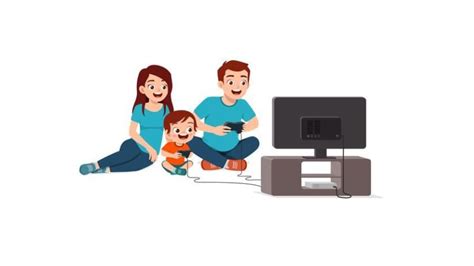
How to balance kids’ gaming screen time with learning & family activities?
Navigating the Digital Playground: Finding Balance
In today’s digitally saturated world, video games have become an undeniable part of many children’s lives. While they offer entertainment, social connection, and even cognitive benefits, the challenge for parents lies in ensuring gaming doesn’t overshadow other crucial aspects of a child’s development: learning, physical activity, and meaningful family interactions. Striking this balance isn’t about eliminating screens entirely, but rather about intentional management and thoughtful integration.
The key to success often involves a blend of clear boundaries, engaging alternatives, and open communication. Let’s explore practical strategies to help your family achieve a harmonious blend of digital fun and real-world growth.
Establish Clear Rules and Routines
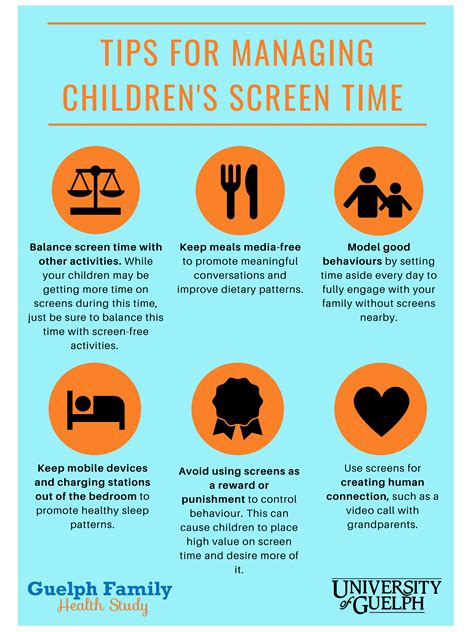
Consistency is paramount when it comes to managing screen time. Work with your children to establish clear, understandable rules about when, where, and for how long gaming is permitted. Consider using a ‘screen time contract’ where both parents and children agree to the terms. These rules might include:
- Specific time limits per day (e.g., 60-90 minutes).
- Designated ‘tech-free’ zones or times (e.g., dinner table, an hour before bedtime).
- A ‘first-then’ rule: first homework and chores, then gaming.
Implementing a visual schedule or using parental control apps can also help enforce these routines without constant nagging. Remember to be firm but flexible, adjusting rules as children mature and their needs evolve.

Integrate Learning into Digital Play and Beyond
Not all screen time is created equal. Encourage games that offer educational value, problem-solving opportunities, or creative expression. Many games subtly teach critical thinking, strategy, and even history or science. Research age-appropriate educational games or apps that align with your child’s interests.
Beyond screens, actively seek out ways to make learning fun and engaging. This could involve:
- Reading together: Visit the library, start a book club, or read aloud.
- Educational outings: Trips to museums, science centers, or historical sites.
- Hands-on projects: Cooking, gardening, building models, or science experiments.
By demonstrating that learning can be an exciting adventure, you make it a more appealing alternative or complement to gaming.

Prioritize and Plan Engaging Family Activities
One of the most effective ways to reduce excessive gaming is to offer compelling alternatives. Dedicate specific times for ‘unplugged’ family activities. This doesn’t mean elaborate outings every day; simple activities can be incredibly impactful:
- Outdoor adventures: Bike rides, nature walks, visits to the park, or backyard play.
- Board games and card games: These foster strategy, social interaction, and fun competition.
- Creative pursuits: Art projects, musical instruments, imaginative play.
- Family meals: Use this time to connect and share about your day.
Involve your children in planning these activities, giving them a sense of ownership and increasing their enthusiasm. These shared experiences build stronger family bonds and create lasting memories that screens cannot replicate.

Lead by Example and Foster Open Communication
Children are excellent imitators. Your own screen habits significantly influence theirs. Be mindful of your own phone usage, especially during family time. Model healthy digital citizenship by putting your devices away during meals or conversations, and by engaging in non-screen hobbies.
Finally, maintain open and non-judgmental communication about screen time. Instead of just imposing rules, explain the ‘why’ behind them. Discuss the benefits of balance, the importance of sleep, physical activity, and face-to-face interaction. Listen to their perspectives and concerns, and acknowledge their feelings about gaming. This dialogue helps them develop self-regulation and critical thinking skills about their own digital choices.

Conclusion: Cultivating a Balanced Lifestyle
Balancing kids’ gaming screen time with learning and family activities is an ongoing process, not a one-time fix. It requires patience, consistency, and a willingness to adapt. By setting clear boundaries, offering engaging alternatives, integrating educational elements, and leading by example, parents can guide their children towards a healthy, balanced lifestyle that embraces the digital world without being consumed by it. The goal is to raise well-rounded individuals who can enjoy technology responsibly while also thriving in real-world experiences and relationships.