How to balance gaming with homework and family time effectively?

Navigating the Digital Age: A Parental Guide to Balance
In today’s digital world, video games are an integral part of many children’s lives. While gaming offers numerous benefits, from problem-solving skills to social interaction, finding a healthy balance with crucial responsibilities like homework and family time can be a significant challenge for parents. The key isn’t to eliminate gaming but to integrate it mindfully into a well-rounded lifestyle.

Establishing Clear Boundaries and Expectations
The foundation of effective balance lies in clear, consistent boundaries. Children thrive on structure, and understanding what’s expected of them helps prevent arguments and frustration.
Collaborative Rule-Setting
- Involve your child: Sit down together to discuss and agree upon rules. When children have a say in creating the rules, they are more likely to adhere to them.
- Define limits: Clearly state how much gaming time is allowed on weekdays vs. weekends. Be specific (e.g., “30 minutes after homework on weekdays,” “2 hours on Saturday”).
- Consequences for not following rules: Discuss what happens if boundaries are crossed. Consistency is vital here.
The Power of a Schedule
Visual schedules can be incredibly effective, especially for younger children. Map out the day’s activities, including school, homework, chores, family time, and then, gaming time. This helps children visualize their responsibilities and understand when leisure time is earned.

Strategies for Managing Gaming Time
Once boundaries are set, implementing strategies to manage actual gaming sessions becomes easier.
The “First Things First” Rule
Establish a routine where homework and chores are completed before any gaming begins. This teaches responsibility and time management. It reinforces the idea that gaming is a privilege earned after responsibilities are met.
Quality Over Quantity
Encourage games that are age-appropriate, educational, or promote critical thinking and creativity. Discuss the games your child plays and why they enjoy them. This shows interest and can open doors for shared experiences.
Designated Gaming Zones and Times
Consider placing gaming consoles or computers in a common area rather than a child’s bedroom. This allows for easier monitoring of content and time. Also, enforce ‘tech-free’ times, such as during meals or before bedtime, to promote better sleep and family interaction.

Prioritizing Homework and Academics
Academic success is paramount. Creating an environment conducive to learning and providing the right support is crucial.
Dedicated Study Space and Time
Ensure your child has a quiet, organized space free from distractions for homework. Establish a consistent time for homework each day, allowing for flexibility on busier days.
Breaking Down Tasks
Large assignments can feel overwhelming. Help your child break down homework into smaller, manageable chunks. Completing these smaller parts can provide a sense of accomplishment and reduce procrastination.
Incentivize Progress, Not Just Completion
Praise effort and progress in homework, not just the final grade. Positive reinforcement for tackling difficult subjects or staying focused can be more motivating than rewards for perfect scores.

Nurturing Family Connections
Amidst school and digital entertainment, family time often takes a backseat. Actively planning and protecting family interactions is essential for strong bonds.
Unplugged Family Activities
Schedule regular ‘unplugged’ time for the whole family. This could be board game nights, outdoor adventures, cooking together, or simply having meaningful conversations without device interruptions. These moments create lasting memories and strengthen relationships.
Shared Gaming Experiences
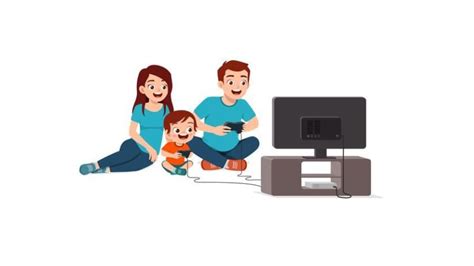
Don’t just observe; participate! Ask your child to teach you how to play their favorite game. This shows interest, provides a bonding opportunity, and gives you insight into their digital world. You might even find a new hobby!
Open Communication
Regularly check in with your child about how they feel about their schedule and responsibilities. Are they feeling overwhelmed? Do they need more gaming time, or less? Open dialogue fosters trust and allows for adjustments as needed.

Conclusion: A Balanced Approach for a Harmonious Home
Balancing gaming with homework and family time is an ongoing process that requires patience, consistency, and adaptability. By setting clear boundaries, establishing routines, prioritizing responsibilities, and fostering open communication, parents can guide their children towards a healthy, balanced lifestyle that embraces both their passions and their duties. Remember, the goal is not to eliminate gaming, but to integrate it thoughtfully into a rich and fulfilling childhood.