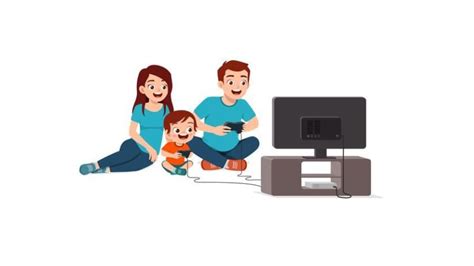
How can parents manage kids’ game time for balanced play & family fun?

In today’s digital age, video games are an undeniable part of many children’s lives. While they can offer entertainment, educational value, and social connections, finding the right balance between screen time and other essential activities is a common challenge for parents. Striking this equilibrium is crucial for a child’s holistic development, ensuring they enjoy both the virtual world and the richness of real-world experiences and family interactions.
Understanding the Need for Balance
Excessive gaming can lead to a host of issues, from disrupted sleep patterns and decreased physical activity to potential impacts on academic performance and social skills. Conversely, completely restricting games might make a child feel isolated from their peers. The goal isn’t to eliminate gaming but to integrate it mindfully into a child’s routine, ensuring it complements rather than overshadows other vital aspects of their growth, like outdoor play, reading, homework, and family time.

Key Strategies for Effective Game Time Management
1. Establish Clear Rules and Boundaries
The foundation of effective management is clear communication and consistent rules. Involve your children in the discussion to foster a sense of ownership. Define specific limits on daily or weekly game time, acceptable gaming hours, and consequences for not adhering to the rules. These boundaries should be age-appropriate and easy for everyone to understand.
2. Utilize Timers and Schedules
Physical timers or built-in parental control features on consoles and devices can be invaluable tools. Set a timer for the agreed-upon duration, and when it goes off, it’s time to stop. Creating a visual schedule that includes game time, homework, chores, and free play can help children anticipate their day and manage expectations.

3. Promote Alternative Activities
Actively encourage and provide opportunities for non-screen activities. This includes outdoor play, sports, creative arts, reading, board games, and helping with household tasks. The more engaging alternatives a child has, the less they might feel the pull of video games. Make these alternatives fun and accessible.
4. Lead by Example
Children are keen observers. If parents are constantly glued to their phones or screens, it sends a mixed message. Model healthy screen habits by setting aside your own devices during family meals, conversations, and designated “screen-free” times. Show them the joy of engaging in real-world hobbies and interactions.
5. Create a Family Game Plan
Instead of just limiting game time, incorporate “family fun time” into the schedule. This could involve playing games together (even video games if they’re family-friendly and cooperative), going for walks, cooking together, or having a movie night. Shared experiences strengthen family bonds and provide positive alternatives.

6. Monitor Content and Interact
Be aware of the games your children are playing. Understand their content, age ratings, and the communities they might be interacting with online. Even better, occasionally play with them! This not only gives you insight but also creates an opportunity for connection and shared fun, allowing you to guide their choices.
Open dialogue is key. Talk to your children about what they enjoy about games and how they feel when it’s time to stop. Listen to their perspectives and address their concerns. When children feel heard, they are more likely to cooperate with the rules.

The Benefits of Balanced Play
When game time is managed effectively, children benefit immensely. They tend to have improved sleep, better concentration, enhanced social skills through real-world interactions, and a greater appreciation for physical activity. A balanced approach fosters creativity, problem-solving, and resilience, preparing them for a well-rounded life.

Conclusion
Managing kids’ game time is an ongoing process that requires patience, consistency, and flexibility. By setting clear expectations, providing engaging alternatives, leading by example, and maintaining open communication, parents can successfully guide their children towards a healthy relationship with technology. The ultimate goal is to nurture well-adjusted individuals who can enjoy digital entertainment responsibly while fully embracing the richness of family life and the world around them.