How can I set healthy screen time limits for my child’s diverse gaming interests?

Understanding Their Diverse Gaming World
In today’s digital age, many children are drawn to a vast array of video games, from competitive esports titles to creative sandbox adventures and immersive story-driven RPGs. This diversity can make setting screen time limits particularly challenging for parents. A child might rotate between several games, each demanding different levels of engagement and time. The key is to move beyond a one-size-fits-all approach and understand the unique appeal each game holds for your child.
Before you can set effective limits, take the time to learn about the games they play. What do they enjoy about them? Are they playing with friends? Are they learning new skills, problem-solving, or expressing creativity? This understanding forms the foundation for a more empathetic and effective strategy.

The Importance of a Balanced Approach
Setting healthy screen time limits isn’t about eliminating gaming; it’s about integrating it into a balanced lifestyle that includes school, physical activity, social interactions, and family time. Excessive screen time, regardless of the content, can lead to issues such as sleep disruption, reduced physical activity, and potential impacts on academic performance or social development.
A balanced approach acknowledges gaming as a legitimate interest while ensuring it doesn’t overshadow other crucial aspects of a child’s growth. This balance is especially critical when children have diverse interests, as they might feel pressured to spend more time online to keep up with multiple communities or game progressions.
Strategies for Setting Effective Limits
1. Communicate and Collaborate
Involve your child in the discussion. Explain the ‘why’ behind screen time limits – focusing on health, balance, and other activities. Collaborate on a schedule that factors in their diverse gaming interests, schoolwork, chores, and other commitments. When children feel part of the decision-making process, they are more likely to adhere to the rules.
2. Focus on Quality Over Quantity
Not all screen time is equal. If your child is engaging in educational games, creative building, or social interaction with known friends, these might be viewed differently than passive content consumption or overly aggressive competitive play. Discuss what ‘quality’ screen time looks like for your family.
3. Implement Flexible Limits
Rigid daily limits might not work for diverse gaming interests. Some games require longer sessions (e.g., a multiplayer match or a story quest), while others are suited for shorter bursts. Consider setting weekly limits, or using ‘tokens’ that your child can spend as they see fit, within agreed-upon boundaries. Allow for longer sessions on weekends or holidays, balanced by shorter sessions on school nights.
4. Designate Screen-Free Zones and Times
Establish clear rules like no screens during meals, in bedrooms after a certain hour, or an hour before bedtime. This helps to create natural breaks and promotes other activities.

5. Lead by Example
Children learn by observing. Model healthy screen habits yourself. Put away your phone during family time, engage in offline hobbies, and discuss your own screen time management.
6. Utilize Parental Control Tools
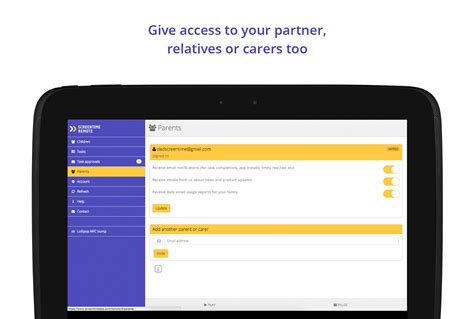
Many gaming platforms and devices offer robust parental control settings that allow you to set time limits, block certain content, and monitor activity. These tools can be incredibly helpful in enforcing the limits you’ve agreed upon, but they should always be used in conjunction with open communication.
Monitoring and Adjusting
Screen time management is an ongoing process. Regularly check in with your child about how the limits are working. Are they feeling overwhelmed or bored? Are they successfully balancing their activities? Be prepared to adjust the rules as your child grows, their interests evolve, and their responsibilities change. What works for a 7-year-old may not work for a 13-year-old.
Encourage and Facilitate Offline Activities
One of the most effective ways to manage screen time is to ensure there are plenty of engaging alternatives. Encourage hobbies, sports, reading, creative play, and family outings. Make these activities appealing and accessible. Sometimes, children gravitate to screens because they lack appealing alternatives.

When to Seek Help
If you find that gaming is severely impacting your child’s sleep, academic performance, social life, or mental health, and your attempts to set limits are unsuccessful, it might be beneficial to seek advice from a pediatrician, child psychologist, or a specialist in digital wellness. They can provide tailored strategies and support.
Conclusion
Setting healthy screen time limits for a child with diverse gaming interests requires patience, understanding, and a willingness to adapt. By fostering open communication, focusing on balance, and implementing flexible strategies, parents can help their children enjoy their digital passions responsibly while thriving in all aspects of their lives. Remember, the goal is not to demonize gaming, but to ensure it’s a positive and integrated part of a healthy, well-rounded childhood.