How can I set healthy gaming screen time limits for my child?

Navigating the Digital Playground: Why Limits Are Essential
In today’s digital age, video games are an integral part of many children’s lives, offering entertainment, social connection, and even learning opportunities. However, the line between healthy engagement and excessive use can easily blur. As parents, setting healthy gaming screen time limits isn’t about outright banning fun, but rather about fostering a balanced lifestyle that prioritizes well-being, academics, and real-world interactions. This guide will equip you with practical strategies to establish and maintain screen time boundaries effectively.

Understanding the Need for Boundaries
Excessive gaming can impact various aspects of a child’s development. It can lead to sleep disturbances, academic decline, reduced physical activity, and even affect social skills by limiting face-to-face interactions. Establishing limits helps prevent these negative outcomes, promoting better sleep hygiene, encouraging outdoor play, supporting academic performance, and nurturing a diverse range of interests.
How Much is Too Much? Determining Appropriate Limits
There’s no one-size-fits-all answer, as appropriate limits vary significantly by age and individual circumstances. However, general guidelines can serve as a starting point:
Age-Based Recommendations:
- Preschoolers (3-5 years): Aim for very limited, supervised screen time, preferably educational.
- School-Aged Children (6-12 years): Up to 1-2 hours per day, with clear boundaries on content and timing.
- Teenagers (13+ years): Flexibility is key, but focus on balancing gaming with homework, social activities, and sleep. Encourage self-regulation.
Beyond age, consider your child’s temperament, academic performance, extracurricular commitments, and overall mood. If gaming is consistently interfering with these areas, limits are likely needed.

Practical Strategies for Setting and Enforcing Limits
Consistency and clear communication are paramount when implementing screen time rules.
1. Involve Your Child in the Discussion:
Don’t just dictate rules; explain why limits are necessary in an age-appropriate way. Involving them in the conversation can lead to greater buy-in and understanding. Discuss the benefits of balance and the potential downsides of too much screen time.
2. Establish Clear Rules and Routines:
- Time Limits: Decide on a daily or weekly allowance for gaming.
- “Tech-Free” Zones: Designate areas like the dining table or bedrooms as no-screen zones.
- “Tech-Free” Times: Implement rules like “no screens before homework is done,” “no screens an hour before bedtime,” or “no screens during family meals.”
- Content Rules: Discuss appropriate game ratings and types of games.
3. Utilize Parental Control Tools:
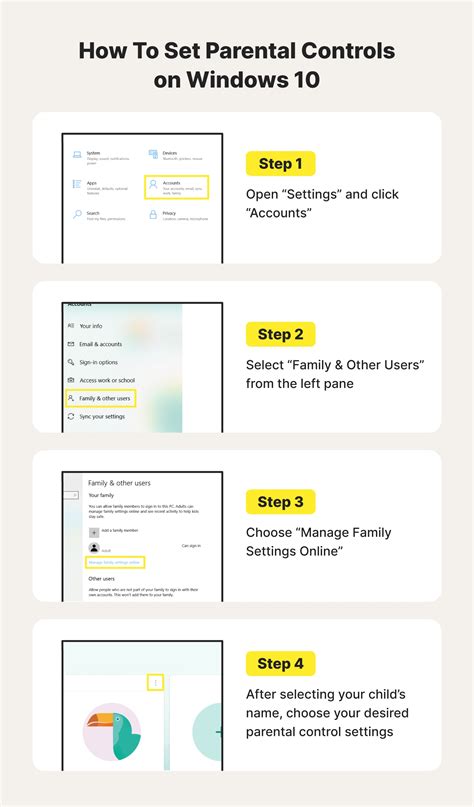
Many gaming consoles, devices, and internet routers offer built-in parental controls that allow you to set time limits, block certain content, or schedule “downtime.” These tools can be incredibly helpful in enforcing the rules you’ve established.
4. Create a “Screen Time Contract”:
For older children, a written agreement outlining the rules, consequences for breaking them, and rewards for adherence can be an effective tool. Have both parents and the child sign it.
5. Encourage Alternative Activities:
Gaming often fills a void. Help your child discover and engage in other enjoyable activities like sports, reading, creative arts, board games, or spending time outdoors. Provide opportunities and be enthusiastic about their non-screen pursuits.

Consistency and Leading by Example
The most robust limits are those that are consistently enforced. Be prepared for pushback, but stand firm. Children thrive on structure and predictability. Moreover, remember that you are your child’s primary role model. Reflect on your own screen habits. Are you constantly on your phone? Do you model balanced digital use? Leading by example reinforces the importance of the rules you set for them.

Conclusion
Setting healthy gaming screen time limits is an ongoing process that requires patience, communication, and adaptability. By understanding the importance of balance, involving your child in the process, and consistently enforcing well-defined rules, you can guide them towards a healthy relationship with technology, ensuring they enjoy the benefits of gaming without sacrificing their overall well-being and development. The goal isn’t to eliminate screens, but to integrate them thoughtfully into a rich, well-rounded life.