How can I efficiently track game deals for PC and console across major stores and avoid fake keys?
The Quest for Gaming Bargains: Why Efficiency Matters
In the vast and ever-expanding universe of video games, finding your next adventure often comes with a significant price tag. For PC and console gamers alike, the hunt for a good deal is an essential part of the experience. However, with countless digital storefronts, fluctuating prices, and the unfortunate presence of illegitimate key sellers, efficiently tracking genuine game deals while safeguarding against fake keys can feel like an impossible quest. This guide will equip you with the knowledge and tools to navigate this complex landscape, ensuring you get the best games for your buck without falling victim to scams.
Top Tools and Platforms for Deal Tracking
The first step to becoming a master deal hunter is knowing where to look and what tools to use. Gone are the days of manually checking every store; sophisticated aggregators and community hubs do much of the heavy lifting for you.
Dedicated Deal Aggregators & Price Trackers
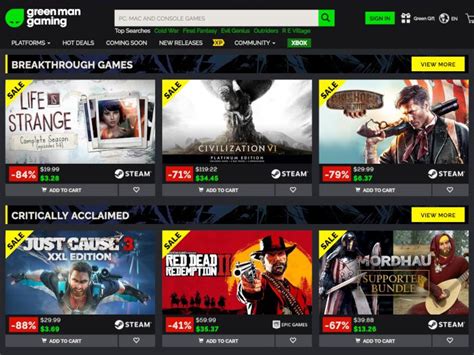
These websites are your most powerful allies. Services like IsThereAnyDeal, CheapShark, and GG.deals meticulously scan major digital storefronts (Steam, Epic Games Store, GOG, Humble Store, Fanatical, Green Man Gaming, and many more) to compare prices, track historical lows, and alert you when a desired game drops in price. You can often create wishlists and set up email notifications, making it effortless to catch a deal as soon as it goes live.
Store-Specific Wishlists & Newsletters
Don’t underestimate the power of official store features. Platforms like Steam, PlayStation Store, Xbox Store, and Nintendo eShop allow you to add games to a wishlist. When a game on your list goes on sale, you often receive an email notification. Additionally, signing up for newsletters from your favorite publishers and digital stores can provide direct alerts about sales events, exclusive discounts, and even free game giveaways.
Community-Driven Deal Hubs
For real-time updates and community vetting, platforms like Reddit (especially subreddits such as r/gamedeals) and various Discord servers are invaluable. Enthusiastic deal hunters often post findings immediately, and the community can quickly flag fake deals or provide insights into the legitimacy of a seller. This collective intelligence is a powerful resource for staying informed.

Browser Extensions
Browser extensions can seamlessly integrate deal tracking into your regular browsing. Extensions often display price history directly on store pages, helping you determine if a current discount is truly a good deal or if the game has been cheaper in the past. They can also link to aggregator sites for quick comparisons.
Navigating the Minefield: Avoiding Fake Keys and Scams
While the digital marketplace offers unparalleled convenience, it also harbors risks, particularly in the form of “grey market” key sellers and outright scams. Protecting yourself requires vigilance and an understanding of how these illegitimate operations work.
Stick to Authorized Retailers
The golden rule for avoiding fake keys is to purchase exclusively from authorized retailers. These include platform-specific stores (Steam, Epic Games Store, GOG, PlayStation Store, Xbox Store, Nintendo eShop) and reputable third-party sellers that are authorized by publishers (e.g., Humble Store, Fanatical, Green Man Gaming, Amazon). Grey market sites, while sometimes offering lower prices, often obtain keys through illicit means (stolen credit cards, region-locked purchases exploited, or bundled keys resold individually), leading to keys being revoked by publishers, account bans, or simply non-functional codes.

Research Unfamiliar Sellers
If you encounter a deal on a website you don’t recognize, do your homework before buying. Check independent review sites (like Trustpilot or ResellerRatings) and search for user experiences. Look for red flags such as very poor website design, a lack of contact information, or overwhelmingly negative reviews mentioning non-working keys or poor customer service.
Be Wary of “Too Good to Be True” Deals
An alarmingly low price is often the clearest indicator of a suspicious deal. If a brand-new AAA game is being sold for a fraction of its retail price just weeks after launch on an unknown site, it’s highly likely to be fraudulent. Legitimate discounts, while significant, rarely push prices to impossibly low levels.
Understand Key Sourcing
Grey market keys often originate from questionable sources. For example, some might be purchased with stolen credit cards, leading to chargebacks and key deactivations. Others might be “resold” keys from bundles where the seller acquired many games cheaply and is now selling individual components for profit, sometimes violating terms of service. Always prioritize knowing the source of your key.

Payment Methods and Buyer Protection
When making online purchases, especially from less familiar sites, always use payment methods that offer strong buyer protection, such as PayPal or credit cards. These services can help you dispute fraudulent charges or recover funds if you receive a non-functional key. Avoid using irreversible methods like cryptocurrencies or direct bank transfers for unverified sellers.
Advanced Tips for Savvy Deal Hunters
- Prioritize Your Wishlist: Don’t get overwhelmed. Focus your tracking efforts on games you genuinely want to play.
- Analyze Price History: Use aggregators to see if a current sale is truly a good deal or if the game has been cheaper in the past. This helps you decide whether to buy now or wait.
- Bundle Hunting: Keep an eye on reputable bundle sites like Humble Bundle and Fanatical. They frequently offer fantastic collections of games at incredibly low prices, often benefiting charities.
- Free Game Alerts: Beyond sales, track free game giveaways from Epic Games Store, Prime Gaming (with Amazon Prime), and monthly offerings from subscription services like PlayStation Plus and Xbox Game Pass.
Conclusion: Play Smart, Save Big
Tracking game deals efficiently and avoiding fake keys requires a combination of smart tools, informed decisions, and healthy skepticism. By leveraging deal aggregators, community insights, and sticking to authorized retailers, you can significantly reduce the risk of scams while maximizing your savings. Arm yourself with these strategies, and you’ll be well on your way to enjoying a vast library of games without compromising your budget or security. Happy gaming!