Beyond screen time: How to foster balanced gaming habits & online safety for kids?

Navigating the Digital Playground: A Parent’s Guide
In today’s hyper-connected world, screens are an undeniable part of children’s lives. For many parents, the constant glow of devices, the allure of online games, and the vastness of the internet can feel overwhelming. The conversation often revolves around ‘screen time limits,’ but fostering a truly healthy relationship with digital media goes far beyond merely counting minutes. It requires a nuanced approach that balances the benefits of digital engagement with proactive strategies for safety and well-being.
This guide aims to equip parents with actionable insights to move ‘beyond screen time,’ focusing instead on cultivating balanced gaming habits and ensuring robust online safety for their children.
Understanding the Digital Landscape Kids Inhabit
For children, gaming and online interactions are not just pastimes; they are often social arenas, creative outlets, and skill-building platforms. From collaborative adventures to competitive esports, digital environments offer unique opportunities for connection, problem-solving, and identity formation. Acknowledging these aspects helps parents frame their approach not as restriction, but as guidance within an important part of their child’s world.

Fostering Balanced Gaming Habits
1. Establish Clear Boundaries and Expectations
Work with your children to set realistic and consistent rules. This includes agreed-upon daily or weekly time limits, designated ‘screen-free’ zones (like bedrooms or during meals), and specific types of games allowed based on age ratings (ESRB, PEGI). Clearly communicate the ‘why’ behind these rules to foster understanding, not just compliance.
2. Encourage Diverse Interests and Activities
A balanced life includes a rich tapestry of experiences. Actively promote and provide opportunities for offline activities such as outdoor play, reading, creative arts, sports, and face-to-face social interactions. The goal isn’t to eliminate gaming, but to ensure it’s one of many fulfilling activities in a child’s life.
3. Lead by Example
Children are keen observers. Evaluate your own digital habits. Do you constantly check your phone? Are you present during family time? Demonstrating mindful technology use yourself is one of the most powerful tools for teaching your children balanced habits.
4. Utilize Parental Controls Wisely
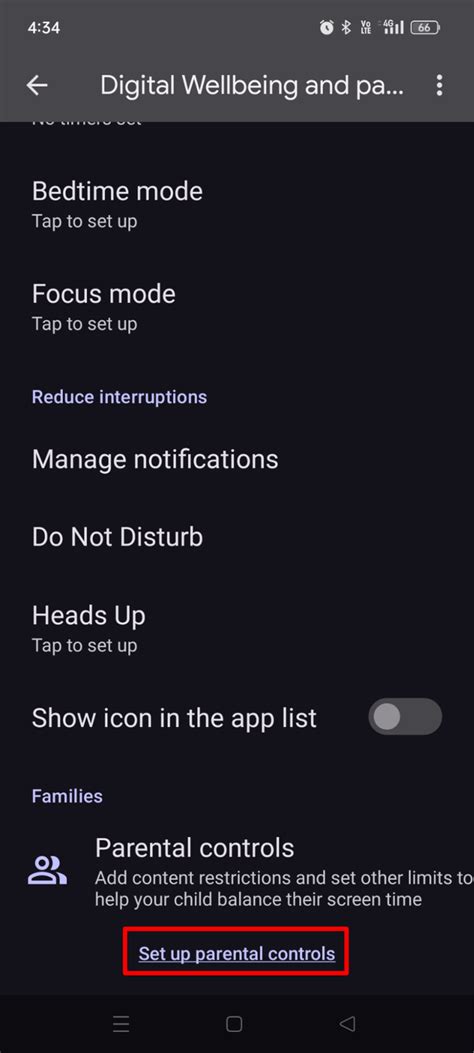
Most gaming consoles, platforms, and devices offer robust parental control features. Learn how to set time limits, restrict purchases, block inappropriate content, and manage friend requests. These tools are safeguards, not substitutes for conversation, but they provide an essential layer of protection.
Prioritizing Online Safety
1. Open and Ongoing Communication is Key
Create a safe space where your child feels comfortable discussing anything they encounter online – good or bad. Regularly talk about online risks, cyberbullying, privacy, and what to do if something makes them feel uncomfortable or scared. Emphasize that you will support them without judgment.
2. Teach Digital Citizenship and Critical Thinking
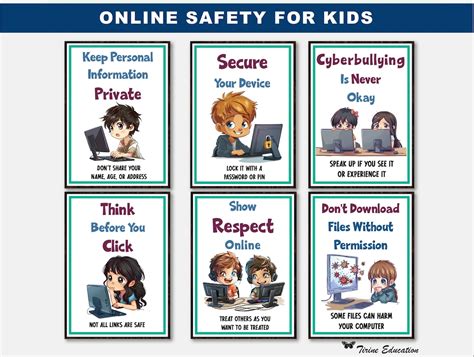
Equip your children with the skills to be responsible and respectful digital citizens. This includes understanding the permanence of online actions, the importance of treating others kindly, and the ability to critically evaluate information and strangers online. Teach them not to share personal information (name, address, school, phone number) with anyone they don’t know in person.
3. Understand and Customize Privacy Settings
Help your children navigate privacy settings on games, social media, and other online platforms. Explain why it’s important to keep personal information private and limit who can view their profiles or interact with them.
4. Be Aware of Online Predators and Scams
Educate your children about the dangers of online predators and common scams (e.g., fake freebies, requests for personal info). Teach them the ‘rule of five’: if something feels off, tell five trusted adults (parents, teachers, guardians). Reassure them they will not be in trouble for reporting something suspicious.
The Role of Family Engagement
Instead of merely supervising, engage with your child’s digital world. Ask them about the games they play, who they play with, and what they enjoy about online communities. Even better, play games with them! This shared experience can open lines of communication, help you understand the platforms firsthand, and identify potential issues or celebrate successes together.

When to Seek Help
While most children can navigate the digital world healthily with guidance, be aware of warning signs that might indicate a problem, such as significant changes in mood, sleep patterns, school performance, or social withdrawal directly linked to excessive gaming or online activity. If you are concerned about potential digital addiction or severe online safety issues, don’t hesitate to consult with school counselors, pediatricians, or mental health professionals.
Conclusion: A Proactive and Balanced Approach
Moving beyond simple screen time limits involves a dynamic, ongoing process of communication, education, and active engagement. By fostering an environment of trust, setting clear boundaries, teaching critical digital skills, and leading by example, parents can empower their children to enjoy the digital world safely and build healthy, balanced habits that will serve them well into adulthood. The goal is not to isolate children from technology, but to integrate it mindfully and safely into a well-rounded life.