Beyond ESRB, how do I pick truly age-appropriate games for my child’s development?

Understanding the Limitations of Age Ratings
The Entertainment Software Rating Board (ESRB) and similar systems like PEGI offer valuable guidelines by indicating a game’s content (violence, language, suggestive themes). They serve as an essential first filter, helping parents steer clear of overtly inappropriate material. However, these ratings primarily focus on content warnings and rarely address a game’s developmental suitability. A game rated “E for Everyone” might be too complex for a three-year-old, or a “T for Teen” game might offer valuable problem-solving for a mature twelve-year-old. The real challenge lies in bridging the gap between content ratings and a child’s unique developmental stage and individual needs.
To truly pick games that foster positive growth, parents need to look beyond the letter and number and consider a more holistic approach to digital play. It’s about finding games that not only avoid harm but actively contribute to skill-building, creativity, and healthy emotional expression.
Aligning Games with Developmental Milestones
Children’s abilities and needs evolve rapidly. What’s engaging and beneficial at one age might be frustrating or boring at another. Here’s how to consider developmental stages:
- Early Childhood (Ages 3-6): Focus on simple, intuitive games that encourage exploration, cause-and-effect learning, and imaginative play. Look for bright colors, simple controls, and non-competitive environments. Games that involve matching, sorting, or basic puzzles are excellent.
- Middle Childhood (Ages 7-11): Children in this age group develop stronger logical reasoning and social skills. Games with clear objectives, moderate challenges, and opportunities for strategy or collaboration can be highly beneficial. Introducing games with narratives or creative building elements can foster storytelling and design skills.
- Adolescence (Ages 12+): Teens are ready for more complex narratives, strategic thinking, and social interaction. Games that involve intricate problem-solving, team-based play, or even civics and history can be incredibly engaging. Look for opportunities for creative expression and collaborative challenges.

Delving Deeper: Beyond Gameplay Mechanics
Once you have a general age range in mind, consider these deeper aspects of a game:
Cognitive Engagement
- Problem-Solving: Does the game require critical thinking, planning, or spatial reasoning?
- Creativity: Does it allow for building, designing, or storytelling? Minecraft, for example, is a powerhouse for creative expression.
- Memory and Attention: Are there elements that challenge memory or require sustained focus?
Social and Emotional Development
- Collaboration vs. Competition: Does the game encourage teamwork, or is it solely competitive? Both have their place, but balance is key.
- Empathy and Perspective-Taking: Some narrative-driven games can expose children to diverse perspectives and moral dilemmas, fostering empathy.
- Emotional Regulation: Does the game’s difficulty lead to excessive frustration, or does it offer opportunities to learn resilience and manage emotions?
Values and Themes
Beyond explicit content warnings, consider the underlying messages. Does the game promote positive values like perseverance, kindness, or environmental awareness? Or does it glorify aggression, deception, or superficial goals? Pay attention to how characters resolve conflicts and the overall tone.

The Power of Observation and Communication
Ultimately, no rating or guide can replace parental insight. Each child is unique. Observe your child while they play:
- How do they react to challenges? Do they get frustrated easily, or do they persist?
- What emotions does the game evoke? Are they joyful, anxious, or engaged?
- Do they talk about the game? What aspects do they find interesting or difficult?
Talk to your child about the games they want to play. Ask them why they are interested, what they like about specific games, and what they hope to achieve. This open dialogue not only helps you understand their preferences but also teaches them to think critically about their media choices.

Embracing Co-Play and Parental Involvement
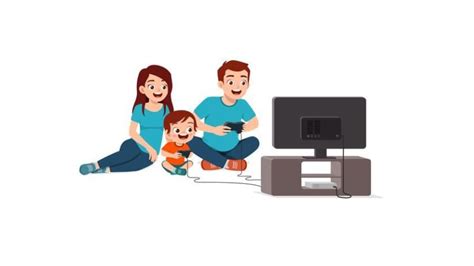
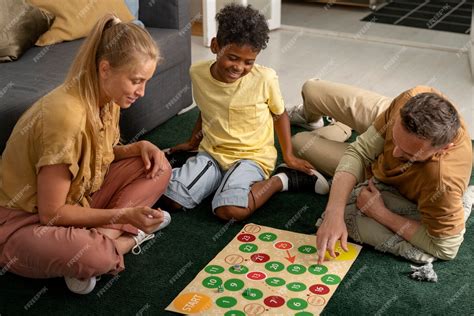
The best way to ensure a game is truly age-appropriate and developmentally beneficial is to play it yourself, or at least play alongside your child. Co-playing allows you to:
- Assess firsthand: Experience the gameplay, controls, difficulty, and themes.
- Model good gaming habits: Show them how to manage frustration, take breaks, and celebrate small victories.
- Turn gaming into a shared experience: Use the game as a springboard for conversations about strategy, ethics, or even real-world applications.
Your active involvement transforms screen time from a passive activity into an interactive, bonding, and educational opportunity.

Conclusion: A Proactive Approach to Digital Play
Moving beyond the simple age rating empowers parents to make thoughtful, informed decisions about their children’s digital play. By considering developmental stages, cognitive and emotional engagement, underlying values, and your child’s individual temperament, you can curate a gaming experience that is not just safe, but genuinely enriching. This proactive approach ensures that video games become powerful tools for learning, creativity, and healthy development, rather than merely time fillers.