Best ways to choose age-appropriate games & manage screen time?
In today’s digitally driven world, parents face the increasingly complex task of guiding their children through a vast universe of digital games and managing their interaction with screens. While technology offers numerous benefits, striking the right balance is crucial for a child’s healthy development, academic success, and overall well-being. This guide offers practical strategies to help parents confidently choose age-appropriate games and implement effective screen time management techniques.
Understanding Age-Appropriateness in Gaming
The term “age-appropriate” goes beyond just the recommended age on a game’s box. It encompasses the content’s themes, complexity, potential for addiction, and how well it aligns with a child’s cognitive and emotional developmental stage. What might be stimulating for a teenager could be overwhelming or frightening for a younger child.
- Content Ratings: Familiarize yourself with established rating systems like ESRB (Entertainment Software Rating Board) in North America, PEGI (Pan European Game Information) in Europe, or similar systems in your region. These ratings provide crucial information about a game’s content, including violence, language, and suggestive themes.
- Developmental Fit: Consider your child’s individual maturity, interests, and temperament. A game rated for ‘Everyone 10+’ might still be too intense for a sensitive 10-year-old, while a mature 8-year-old might handle aspects of it better.

Practical Steps for Selecting Games
Making informed choices requires a bit of research and active participation. Don’t just rely on what your child’s friends are playing.
- Research Beyond Ratings: Read reviews from reputable parenting sites, game critics, and even other parents. Watch gameplay videos on platforms like YouTube to get a real sense of the experience.
- Play Together or Observe: The best way to understand a game is to play it yourself or sit with your child as they play. This allows you to assess its educational value, cooperative potential, and any questionable content firsthand.
- Educational Value and Skill Development: Look for games that promote problem-solving, creativity, strategic thinking, teamwork, or physical activity. Many games offer fantastic opportunities for learning disguised as fun.
- Trial and Error: It’s okay if a game doesn’t work out. Learning what your child responds well to, and what they struggle with, is part of the process.

Effective Screen Time Management Strategies
Setting boundaries and establishing healthy habits around screen time is just as important as choosing the right games. Consistency is key.
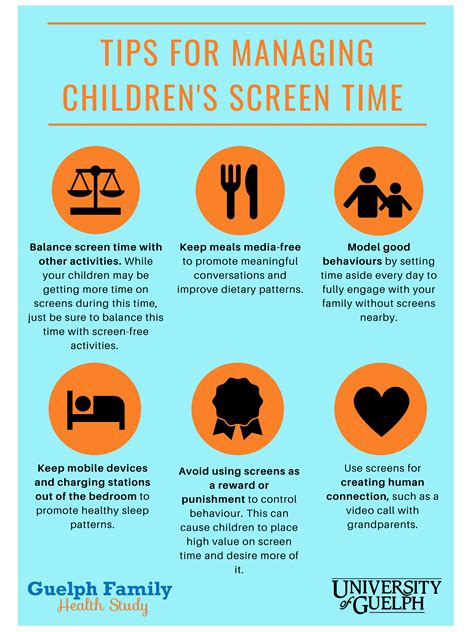
- Establish Clear Rules and Expectations: Work with your child to create a family media plan. Define specific times for screen use, duration limits, and acceptable content. Post these rules where everyone can see them.
- Use Timers and Parental Controls: Leverage built-in parental control features on devices and gaming consoles, or use external timers. These tools can help enforce limits without constant parental intervention.
- Designate Screen-Free Zones and Times: Implement rules like “no screens at the dinner table,” “no screens in bedrooms after bedtime,” or “screen-free Sundays.” This encourages interaction and other activities.
- Lead by Example: Children are keen observers. Model healthy screen habits yourself. Put away your phone during family time and engage in non-digital activities.
- Balance with Other Activities: Ensure screen time doesn’t displace essential activities like physical play, reading, homework, social interaction, and sleep.

Fostering a Balanced Digital Diet
Beyond simply limiting screen time, the goal is to cultivate a balanced digital diet that supports overall well-being.
- Encourage Offline Pursuits: Actively promote and provide opportunities for hobbies, sports, creative arts, and outdoor play. These alternatives are vital for physical and mental health.
- Open Communication: Talk openly with your children about their online experiences. Discuss online safety, cyberbullying, and responsible digital citizenship. Encourage them to share if they encounter anything uncomfortable.
- Flexibility and Adaptation: As children grow, their needs and interests change. Regularly review and adjust your family’s screen time rules and game choices. What works for a 7-year-old might not work for a 12-year-old.

Conclusion
Navigating the world of digital games and screen time requires a thoughtful, proactive approach from parents. By understanding age-appropriateness, actively researching games, implementing consistent management strategies, and fostering open communication, you can help your children develop healthy digital habits that serve them well into the future. Remember, the aim isn’t to eliminate screens, but to integrate them mindfully into a rich, balanced childhood.