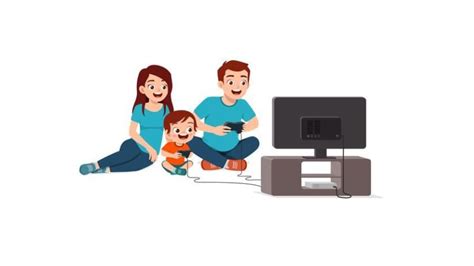
Actionable tips for balancing kids’ gaming screen time & school?

In today’s digital age, the magnetic pull of video games is stronger than ever for children. While gaming offers entertainment, social connections, and even skill development, finding a healthy equilibrium with schoolwork and other vital activities can be a significant challenge for parents. Striking this balance is crucial for a child’s academic success, physical health, and overall well-being. This article provides actionable tips to help parents navigate this common modern dilemma.
Understanding the Allure of Gaming and Academic Needs
For many children, video games offer an immersive escape, a sense of achievement, and a platform for social interaction with friends. The instant gratification and continuous challenges can make it incredibly difficult for kids to disengage. Simultaneously, school demands focus, consistent effort, and time for homework, studying, and projects. Ignoring academic responsibilities in favor of gaming can quickly lead to declining grades, increased stress, and missed learning opportunities.
Recognizing the powerful draw of games isn’t about villainizing them, but rather understanding why they compete so effectively for your child’s attention. With this understanding, parents can develop strategies that acknowledge their child’s interests while firmly prioritizing their educational journey.

Establish Clear Rules and Expectations
One of the most effective first steps is to set clear, consistent boundaries around gaming time. Involve your children in creating these rules, which can increase their buy-in and sense of responsibility. Discuss specific limits, such as how many hours per day or week they can play, and at what times gaming is permissible.
- Daily/Weekly Limits: Agree on a set amount of gaming time for weekdays and weekends. For example, 30-60 minutes on school nights after homework is done, and slightly more on weekends.
- Designated Gaming Zones/Times: Specify areas where gaming is allowed (e.g., living room, not bedroom) and when it’s off-limits (e.g., during meals, an hour before bedtime).
- Consequences for Non-Compliance: Clearly outline what happens if rules are broken, such as a temporary suspension of gaming privileges.

Prioritize Schoolwork and Other Activities
Make it a non-negotiable rule that schoolwork, homework, and studying must be completed before any gaming or screen time begins. This establishes a hierarchy of priorities and helps children understand that responsibilities come first.
- Homework First Principle: Ensure all academic tasks are finished, checked, and packed for school the next day before gaming.
- Encourage Non-Screen Activities: Promote a balance by scheduling time for outdoor play, reading, creative hobbies, sports, or family time. These activities are vital for physical, social, and cognitive development.
- Use a Visual Schedule: For younger children, a visual schedule can help them see their day laid out, including school, chores, free time, and gaming, making transitions easier.

Leverage Technology for Time Management
Many gaming consoles, computers, and even Wi-Fi routers come with built-in parental controls or time-limit features. These tools can be invaluable in enforcing the rules you’ve set, removing the burden of constant policing from parents.
- Parental Control Apps: Utilize apps that allow you to set specific daily time limits for games and automatically shut off access when the limit is reached.
- Router Settings: Some home Wi-Fi routers allow parents to schedule internet access for specific devices at certain times.
- Timers: A simple kitchen timer can be a powerful tool for self-regulation, allowing children to manage their own time within the agreed limits.

Lead by Example and Foster Communication
Children are observant. Your own screen habits set a powerful precedent. Demonstrate responsible screen use yourself, showing that there’s a time for work, a time for leisure, and a time to disconnect.
- Model Healthy Habits: Put your phone away during family meals or conversations. Engage in non-screen hobbies.
- Open Dialogue: Regularly talk to your children about their gaming, asking about what they enjoy and who they play with. Also, discuss the importance of school and how gaming can fit into a balanced life.
- Understand Their Perspective: Show empathy for their passion for gaming. Work together to find solutions rather than imposing rules unilaterally. This collaborative approach can foster greater cooperation and understanding.

Balancing kids’ gaming screen time and school responsibilities is an ongoing process that requires patience, consistency, and open communication. By setting clear expectations, prioritizing academics, utilizing technological tools, and modeling healthy habits, parents can guide their children towards a balanced lifestyle where both play and learning thrive. Remember, the goal isn’t to eliminate gaming but to integrate it healthily into a fulfilling and successful childhood.