Actionable advice: managing kids’ screen time for gaming balance?
In today’s digital age, video games are an undeniable part of many children’s lives. While gaming can offer benefits like problem-solving skills and social interaction, unmanaged screen time can lead to challenges such as sleep disruption, academic issues, and reduced physical activity. Finding that sweet spot – a healthy gaming balance – is crucial. This guide offers actionable advice for parents navigating this common dilemma.
Understanding the Gaming Landscape
Before imposing rules, it’s helpful to understand what games your child plays, why they enjoy them, and who they play with. This insight allows for more informed discussions and tailored strategies. Not all screen time is equal; educational games or creative apps differ from competitive online gaming.
Engage with your child about their gaming experiences. Show genuine interest in their achievements, challenges, and the social aspects of their online interactions. This open dialogue builds trust and makes them more receptive to your guidance.

Setting Clear Boundaries and Expectations
Consistency is key. Establish clear, age-appropriate rules for screen time from the outset. Involve your child in this process to foster a sense of ownership and responsibility.
- Time Limits: Decide on daily or weekly limits. This could be a set number of hours per day or a total for the week, allowing for flexibility.
- Time Slots: Designate specific times for gaming, avoiding periods close to bedtime or during homework.
- No-Screen Zones: Implement rules like ‘no screens at the dinner table’ or ‘no devices in bedrooms after a certain hour’.
- Content Guidelines: Monitor game ratings (ESRB, PEGI) and discuss appropriate content with your child.
Write these rules down and display them prominently. Reiterate them often, especially when establishing new routines.
The Power of Communication and Collaboration
Effective screen time management isn’t just about rules; it’s about ongoing communication. Talk to your children about why these boundaries are important for their health, development, and overall well-being. Explain the benefits of a balanced lifestyle.
Encourage them to voice their opinions and concerns. While you, as the parent, have the final say, allowing them input helps them feel heard and respected, which can reduce resistance. Collaborate on solutions when conflicts arise, rather than simply dictating terms.

Diversifying Activities and Leading by Example
One of the most effective ways to balance gaming is to fill the void with engaging alternative activities. Encourage participation in sports, creative arts, reading, outdoor play, or family board games.
- Offer Alternatives: Instead of just saying ‘no’ to gaming, suggest an exciting alternative: ‘How about we go for a bike ride after this level?’
- Family Time: Plan regular family activities that don’t involve screens. This strengthens bonds and models a balanced lifestyle.
- Lead by Example: Children are keen observers. If you’re constantly on your phone or glued to a screen, it’s harder to enforce limits on them. Model healthy digital habits yourself.

Utilizing Tools and Resources
Modern technology offers various tools to assist in managing screen time.
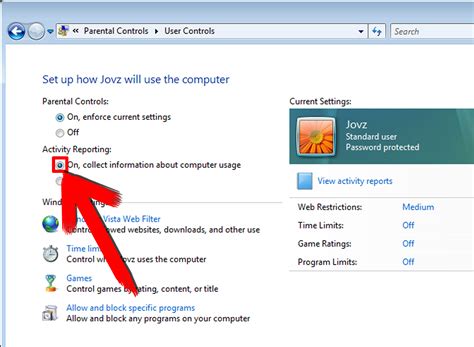
- Parental Control Software: Many devices and platforms (consoles, phones, routers) have built-in parental controls that allow you to set time limits, block inappropriate content, and monitor usage.
- Timers: Simple kitchen timers can be incredibly effective for helping children understand when their session is ending.
- Family Media Plans: Resources from organizations like the American Academy of Pediatrics offer templates for creating a comprehensive family media plan.
Flexibility and Review
Life isn’t static, and neither should your screen time rules be. Be prepared to review and adjust your plan as your children grow, their interests change, or new games emerge. What works for a 7-year-old might not be appropriate for a 13-year-old.
Celebrate successes and acknowledge efforts. If your child adheres to the limits, offer positive reinforcement. If they struggle, approach it with understanding and work together to find solutions, rather than resorting to punishment immediately.

Managing kids’ screen time for gaming balance is an ongoing process that requires patience, consistency, and open communication. By implementing these actionable strategies, parents can guide their children towards a healthier, more balanced relationship with technology, ensuring they reap the benefits of gaming without it dominating their lives.