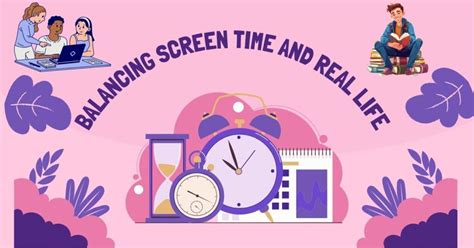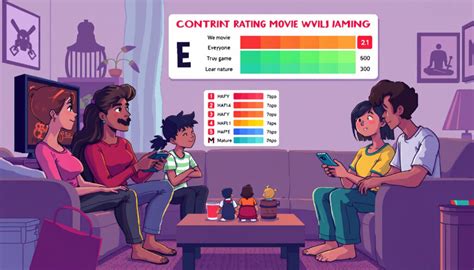





My child only wants to play games. How can I encourage balance?

Navigating the Digital Playground: Encouraging Balance in Children’s Lives
In today’s digitally saturated world, it’s increasingly common for children to be drawn to video games and online play. While gaming can offer benefits like problem-solving skills, hand-eye coordination, and social interaction, an exclusive focus on games can lead to concerns for parents. If your child seems to only want to play games, you’re not alone in seeking ways to encourage a more balanced and enriching lifestyle. The key lies in understanding the appeal of gaming, setting healthy boundaries, and offering engaging alternatives.
Understanding the Lure of Gaming
To effectively encourage balance, it helps to understand why games are so captivating. They often provide instant gratification, clear goals, continuous challenges, and a sense of achievement. Many games also offer social interaction, allowing children to connect with friends or a broader community. For some, games can be a form of escape or a way to relax after a day at school. Acknowledging these appeals can help you frame discussions and offer alternatives that meet similar needs in healthier ways.

Setting Clear Expectations and Boundaries
One of the most crucial steps is establishing clear, consistent rules around screen time. Involve your child in the process if they are old enough, helping them understand the ‘why’ behind the limits. Consider:
- Daily Limits: Define specific time limits for gaming, such as one or two hours per day.
- Tech-Free Zones/Times: Designate certain areas (e.g., dining table) or times (e.g., during meals, an hour before bedtime) as completely tech-free.
- “Earned” Screen Time: Link gaming time to responsibilities, such as completing homework, chores, or outdoor play.
- Using Timers: Visual timers can help children manage their own time and accept when their session is over.
Consistency is paramount. Sticking to the rules, even when met with resistance, teaches your child the importance of boundaries.

Introducing Engaging Alternatives
Simply taking away games without offering compelling substitutes can lead to frustration and boredom. Proactively introduce and encourage a variety of activities:
- Outdoor Play: Schedule regular trips to parks, bike rides, or simply encourage free play in the backyard.
- Hobbies and Creative Pursuits: Explore interests like drawing, painting, building models, reading, playing a musical instrument, or coding.
- Sports and Physical Activities: Enroll them in a team sport, martial arts, swimming, or simply play catch in the yard.
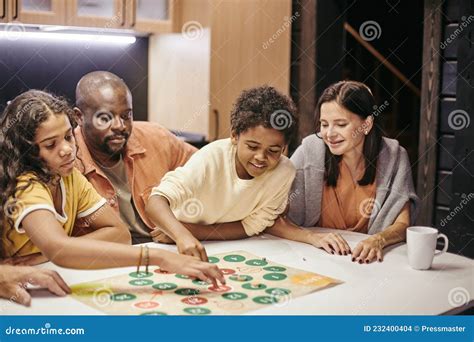
- Family Activities: Plan board game nights, family walks, cooking together, or visiting museums and libraries.
The goal is not to eliminate gaming but to demonstrate that there’s a vast, exciting world beyond the screen.
Lead by Example and Engage with Their World
Children are keen observers. Evaluate your own screen time habits. If you’re constantly on your phone or computer, it sends a mixed message. Model a balanced approach to technology use. Furthermore, show interest in your child’s gaming world. Ask them about their games, what they enjoy, and who they play with. Occasionally, even sit down and play with them. This shows you value their interests and opens lines of communication, making them more receptive to your suggestions for balance.

Fostering Communication and Self-Regulation
Talk openly about the benefits of varied activities – how physical play makes them stronger, reading expands their imagination, and social interaction builds real-world friendships. Help them understand how an imbalanced lifestyle might impact their sleep, mood, or schoolwork. Empower them to make choices for themselves within the established boundaries. As they get older, guiding them towards self-regulation will be invaluable, teaching them to manage their own time and activities effectively.

Building a Balanced Lifestyle Together
Encouraging balance is an ongoing process, not a one-time fix. It requires patience, consistency, and a willingness to adapt as your child grows. By setting clear boundaries, offering appealing alternatives, leading by example, and maintaining open communication, you can guide your child towards a healthier, more balanced lifestyle where gaming is just one enjoyable part of a rich and varied existence.