




How to effectively manage kids’ daily gaming screen time limits?
Navigating the Digital Playground: Setting Healthy Gaming Limits
In today’s digital age, video games are an undeniable part of most children’s lives. While offering entertainment, social connection, and even cognitive benefits, managing daily gaming screen time presents a significant challenge for parents. Striking the right balance is crucial for a child’s overall well-being, ensuring they develop healthy habits and engage with the world beyond the screen.
Understanding the Appeal of Gaming (and its Challenges)
For children, gaming can be a powerful draw. It offers immersive worlds, challenging quests, social interaction with friends, and a sense of achievement. However, unchecked gaming can lead to disrupted sleep, neglected homework, reduced physical activity, and social isolation. Understanding why your child is drawn to games can help you approach limits with empathy and effectiveness.

Establishing Clear Boundaries and Rules
The first step to effective management is setting clear, understandable boundaries. Ambiguity leads to negotiation and frustration.
Define Age-Appropriate Screen Time Limits
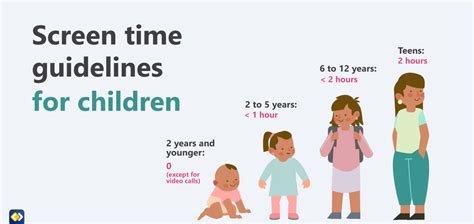
- Younger Children (6-12): Often benefit from shorter, structured periods, perhaps 1-2 hours on non-school days, and less on school nights.
- Teenagers (13+): May require more flexibility, but still need boundaries, focusing on balancing gaming with other responsibilities and activities.
- Consider quality: Not all screen time is equal. Educational games might be treated differently than competitive online gaming.
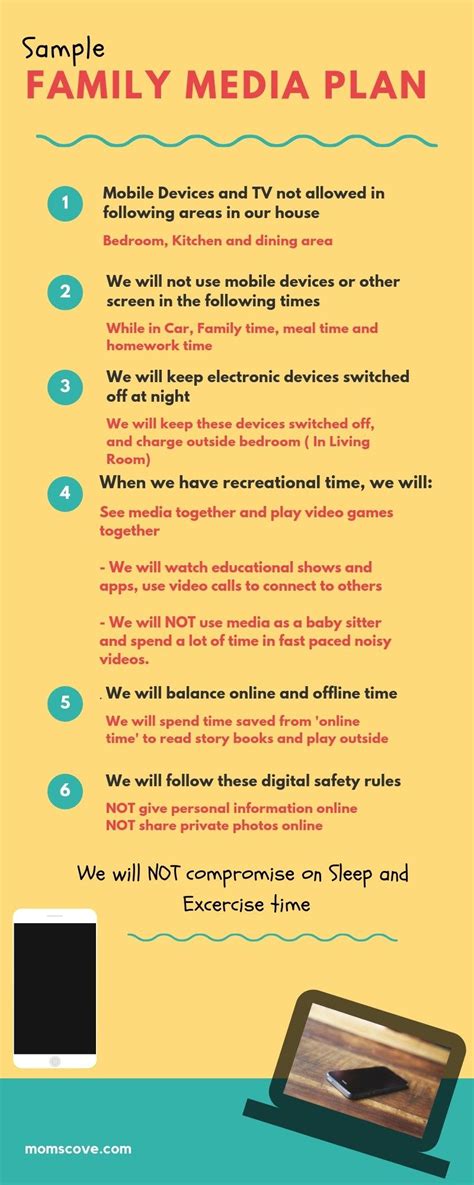
Create a Family Media Plan
Involve your children in the creation of a family media plan. When kids feel they have a voice in the rules, they are more likely to adhere to them. This plan should outline:
- Specific daily or weekly time limits for gaming.
- “No-screen” zones (e.g., bedrooms, dinner table).
- “No-screen” times (e.g., an hour before bedtime).
- Consequences for breaking the rules.
- Rewards for following them.
Utilize Parental Control Tools and Timers
Many gaming consoles, devices, and operating systems offer robust parental control features. Learn how to use them to set time limits, restrict content, and monitor activity. Physical timers can also be helpful for younger children to visualize their remaining play time.
Implementing Consistent Strategies
Rules are only effective if they are consistently enforced. This requires patience and commitment from parents.
Consistency is Key
Stick to the established rules, even when met with protests. Inconsistency sends mixed signals and can lead to children constantly testing boundaries. Be firm but empathetic.
Offer Engaging Alternatives
Children are less likely to gravitate towards screens if they have appealing alternative activities. Encourage and facilitate:
- Outdoor play and sports.
- Reading and creative hobbies (art, music, writing).
- Board games and puzzles.
- Family outings and social gatherings.

Lead by Example
Children are keen observers. Evaluate your own screen habits. If you’re constantly on your phone or tablet, it’s harder to preach moderation. Demonstrate a balanced approach to digital use in your own life.

Fostering Open Communication
Beyond rules, open dialogue is vital for helping children develop self-regulation and understand the ‘why’ behind the limits.
Discuss the ‘Why’ Behind the Limits
Explain why screen time limits are important – for their health, sleep, friendships, schoolwork, and developing other interests. Frame it positively, focusing on the benefits of a balanced life.
Listen to Your Kids’ Perspectives
Allow your children to voice their thoughts and feelings about gaming and the rules. Sometimes, a child might be genuinely stressed about missing out on a team event in a game, or feel pressure from friends. Listening doesn’t mean always giving in, but it shows respect and builds trust.

Problem-Solve Together
When issues arise, approach them as opportunities for problem-solving. If a rule is broken, discuss what happened and how to avoid it next time, rather than just imposing punishment. This teaches accountability and strategic thinking.
Conclusion
Managing kids’ daily gaming screen time is an ongoing process that requires patience, consistency, and adaptability. By setting clear boundaries, offering engaging alternatives, leading by example, and fostering open communication, parents can guide their children towards a healthy and balanced relationship with technology. The goal isn’t to eliminate gaming, but to integrate it mindfully into a rich and fulfilling childhood.