




Actionable tips for setting healthy screen time limits for kids who love gaming?

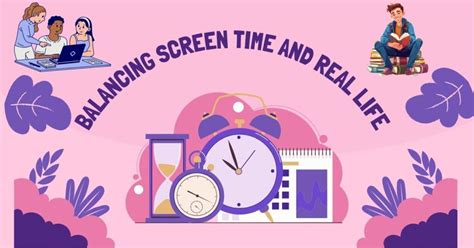
Navigating screen time in a household with a passionate young gamer can feel like a constant battle. The allure of virtual worlds, competitive play, and online friendships is powerful, making it challenging for parents to set and enforce healthy boundaries. The good news is that it’s entirely possible to strike a balance between allowing your child to enjoy their passion and ensuring they maintain a healthy, well-rounded lifestyle. It requires a thoughtful approach, open communication, and consistent effort.
Understanding the Gaming Appeal
Before imposing rules, take a moment to understand why gaming is so appealing to your child. Is it the challenge? The social connection? The sense of achievement? Acknowledging their perspective can help you frame the conversation and create rules that feel less like punishment and more like a collaborative effort towards balance. Many games offer problem-solving, strategic thinking, and teamwork opportunities, which are valuable skills when managed appropriately.
It’s also important to differentiate between passive screen time (like endless scrolling) and active, engaging gaming. While both need limits, understanding the specific draw can help you tailor your approach. Engage with your child about their favorite games, ask them to explain the rules, and even try playing with them occasionally. This shared experience can build bridges and trust.

Collaborative Rule-Setting: Involve Your Child
The most effective screen time limits are often those created with your child, not just for them. Sit down together during a calm moment – not during or immediately after a gaming session – to discuss the topic. Explain your concerns about health, sleep, schoolwork, and other activities, but also acknowledge their love for gaming.
Ask for their input. What do they think is a fair amount of time? What are reasonable times to play? When should gaming stop? By giving them a voice, you empower them, increase their sense of ownership over the rules, and significantly boost the likelihood of compliance. Frame it as a family agreement designed to help everyone maintain balance.
Clear, Consistent, and Realistic Boundaries
Once you’ve had the discussion, establish clear, specific, and easy-to-understand rules. Instead of vague statements like “less gaming,” aim for specifics: “30 minutes on weekdays, 2 hours on weekends.” Define when these times can occur (e.g., “after homework and chores are done,” or “no gaming after 8 PM”).
Consistency is key. If rules are flexible one day and strict the next, your child will quickly learn to push boundaries. Also, ensure the rules are realistic for your family’s schedule and your child’s age. What works for a 7-year-old might not be appropriate for a 14-year-old. Be prepared to gently but firmly enforce the agreed-upon limits, even when faced with protests.

Leverage Tools and Techniques
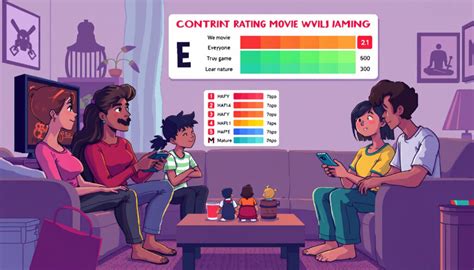
Don’t be afraid to use technology to help manage technology. Many gaming consoles, computers, and even Wi-Fi routers offer parental control features that allow you to set time limits, schedules, and even content restrictions. Utilize these tools to automatically enforce the agreed-upon rules, taking the burden of being the constant enforcer off your shoulders.
Consider implementing a “gaming currency” system. Give your child a set number of tokens or hours per week that they can use as they choose, teaching them time management and budgeting. Timers, visual schedules, and even a simple alarm clock can also be effective aids. For younger children, a visual timer can make the concept of time running out more tangible.
Promote Engaging Alternatives
A child who loves gaming will naturally gravitate towards it if there are no compelling alternatives. Your role is to actively encourage and facilitate other interests. Provide opportunities for outdoor play, sports, creative arts, reading, board games, or family activities. Help them discover new passions that are just as engaging, if not more so, than their virtual worlds.
Schedule dedicated time for these non-screen activities. This could be a family bike ride, a trip to the park, a craft project, or even cooking dinner together. Making these activities appealing and accessible reduces the void that gaming might otherwise fill. Remember that children often mirror their parents, so actively participate in these alternatives yourself.

Be a Role Model and Stay Flexible
Your own screen habits significantly influence your child. If you’re constantly on your phone or glued to the TV, it sends a mixed message. Model healthy screen use yourself by putting your devices away during family meals, engaging in device-free conversations, and demonstrating a balance between digital and real-world activities.
Finally, recognize that life happens. There will be days when limits need to be adjusted for a special occasion, a rainy day, or a gaming event with friends. Be prepared to be flexible, but always communicate these changes clearly and ensure they are exceptions, not the new norm. As your child grows, their needs and responsibilities will change, so be ready to revisit and adapt your screen time agreement periodically.

Setting healthy screen time limits for kids who love gaming is an ongoing process, not a one-time fix. It requires patience, understanding, clear communication, and consistency. By involving your child in the process, setting realistic boundaries, leveraging tools, promoting alternatives, and modeling good habits, you can help them develop a balanced relationship with technology that supports their overall well-being and growth.