




How to find age-appropriate games kids will love & learn from?

In today’s digital world, video games and interactive apps are an undeniable part of childhood. While many parents worry about excessive screen time, the truth is that well-chosen games can be powerful tools for learning, creativity, and problem-solving. The challenge lies in sifting through the vast options to find games that not only captivate your child’s imagination but also contribute positively to their development.
Why Age-Appropriate Games are Crucial
Selecting games tailored to a child’s age isn’t just about avoiding mature content; it’s fundamental to their cognitive, emotional, and social growth. Games too advanced can lead to frustration and disengagement, while those too simple might bore them quickly. Age-appropriate games, however, offer the right level of challenge, introduce new concepts gradually, and foster skills such as critical thinking, hand-eye coordination, and even social interaction if played with others.

Conversely, games with themes or mechanics beyond a child’s developmental stage can introduce concepts they aren’t ready to process, potentially causing anxiety or confusion. Understanding your child’s developmental stage is the first step towards making informed choices that support their learning journey without overwhelming them.
Key Factors in Selecting Engaging & Educational Games
1. Understand Age Ratings
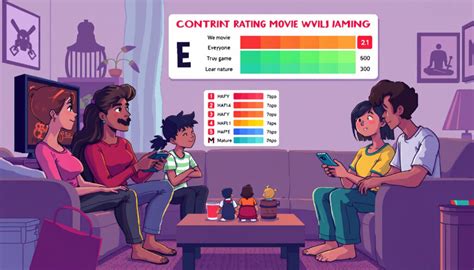
Familiarize yourself with established game rating systems like ESRB (Entertainment Software Rating Board) in North America or PEGI (Pan European Game Information) in Europe. These ratings provide guidelines on content suitability (e.g., violence, language, drug references) for specific age groups. While useful, remember they are just guidelines; a parent’s judgment based on their child’s unique sensitivity is paramount.
2. Prioritize Educational Value and Skill Development
Look beyond mere entertainment. Does the game encourage problem-solving, creativity, strategic thinking, or perhaps reinforce academic skills like math and reading? Many games are designed with specific learning objectives in mind, from puzzle games that enhance logic to simulation games that teach resource management.
3. Check for Hidden Costs and Advertising
Free-to-play games often come with in-app purchases or intrusive advertisements. These can detract from the gaming experience and lead to unexpected expenses. Opt for games with transparent monetization models, or consider paid games that offer a complete experience without constant prompts for additional spending.
4. Read Reviews and Watch Gameplay Videos
Before downloading or purchasing, take advantage of online resources. Read reviews from other parents and reputable gaming publications. Watching a short gameplay video on platforms like YouTube can give you a quick visual understanding of the game’s mechanics, graphics, and overall tone, helping you determine if it’s a good fit for your child.
Where to Find Trustworthy Game Recommendations
Navigating the sheer volume of available games can be daunting. Here are some reliable sources:
- Common Sense Media: Offers detailed reviews and age recommendations for games, apps, movies, and TV shows, with a focus on educational value and potential concerns.
- Educational App Stores: Dedicated sections within app stores (like the “Kids” section on Apple’s App Store or Google Play) often feature curated lists of educational content.
- Parenting Blogs and Forums: Many online communities share personal experiences and recommendations, offering real-world insights into what works for different age groups.
- Educator Recommendations: Teachers and educational professionals often have lists of games and apps they recommend for learning support.

Don’t be afraid to experiment a little, but always keep an eye on how your child responds. Observe their engagement, frustration levels, and what they talk about after playing.
Balancing Screen Time with Other Activities
Even the most educational game should be part of a balanced routine. Encourage a variety of activities, including outdoor play, reading, creative arts, and social interaction. Set clear boundaries for screen time and ensure that gaming doesn’t replace essential activities. Engage with your child during or after their gaming sessions – ask them about what they’re playing, what they’ve learned, and what challenges they overcame. This active participation strengthens your bond and helps you further understand their digital world.

Making Informed Choices for Digital Play
Finding games that kids love and learn from is an ongoing process that requires active parental involvement. By understanding age ratings, prioritizing educational content, utilizing reliable review sources, and maintaining a balanced approach to screen time, you can transform digital play into a powerful asset for your child’s development. Embrace the opportunity to guide your child through the digital landscape, turning screen time into quality learning time.