




How do I pick age-appropriate, engaging games that also secretly educate my child?

As parents, we constantly seek ways to enrich our children’s lives, often grappling with the desire to make learning fun, almost imperceptible. The good news? Play is a child’s natural language of learning. The challenge lies in navigating the vast ocean of games and toys to find those hidden gems that are just right – age-appropriate, captivating, and subtly educational.
The Power of Play-Based Learning
Forget dry textbooks and rote memorization for a moment. For young minds, play isn’t just recreation; it’s a fundamental pathway to understanding the world. Through play, children develop critical cognitive skills, fine and gross motor skills, social-emotional intelligence, and a lifelong love for exploration. When games are carefully chosen, they become powerful tools for building foundational knowledge without ever feeling like “schoolwork.”

Key Principles for Game Selection
So, how do you sift through the endless options? Here are the guiding principles:
Age-Appropriateness: Matching Milestones
This is paramount. A game too complex will lead to frustration, while one too simple will lead to boredom. Consider your child’s developmental stage:
- Infants (0-1): Focus on sensory exploration (textures, sounds, colors), cause-and-effect (push buttons, stacking), and gross motor skills (reaching, grasping).
- Toddlers (1-3): Introduce simple puzzles, building blocks, role-playing props, and language-rich books. They’re developing fine motor skills and early problem-solving.
- Preschoolers (3-5): Games that encourage imaginative play, basic counting/letter recognition, pattern recognition, and social interaction are ideal.
- School-Aged (5+): Look for strategy games, more complex puzzles, STEM kits, and cooperative games that foster critical thinking and teamwork.

Engagement Factor: Keeping Them Hooked
An educational game isn’t effective if your child won’t play it. What makes a game engaging?
- Relevance: Does it tap into their current interests (dinosaurs, space, princesses)?
- Challenge: Is it just difficult enough to be stimulating without being overwhelming? It should offer a sense of accomplishment.
- Interactivity: Does it allow them to manipulate, create, or interact rather than just passively observe?
- Fun: Ultimately, it needs to be enjoyable! Laughter and joy are strong indicators of engagement.

The Secret Sauce: Stealth Education
This is where the magic happens – learning without realizing it. Look for games that naturally embed:
- Problem-Solving: Puzzles, strategy games, building challenges.
- Creativity & Imagination: Art supplies, dress-up clothes, open-ended building toys.
- Language & Literacy: Storytelling games, letter-matching, rhyming games.
- Numeracy & Logic: Counting games, shape sorters, basic math puzzles.
- Social-Emotional Skills: Cooperative games, role-playing, turn-taking games.
- STEM Concepts: Simple science kits, construction toys, coding games for older kids.

Practical Tips for Parents
- Observe Your Child: Pay attention to what genuinely excites them and what they gravitate towards. Their interests are your best guide.
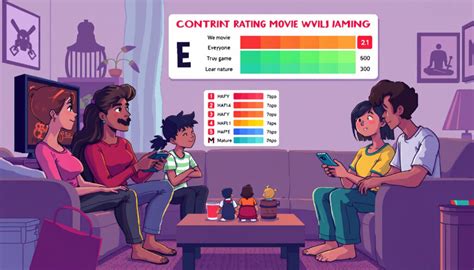
- Read Reviews and Labels: Other parents’ experiences and manufacturer age recommendations can be helpful starting points.
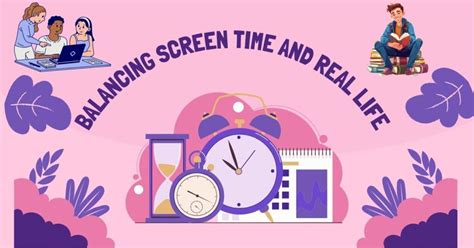
- Balance is Key: Mix physical games with quieter ones, and structured play with free play. Don’t forget the importance of outdoor exploration.
- Play Together: The most powerful educational tool is often you. Engaging with your child during play amplifies learning and strengthens bonds.
- Don’t Overthink It: Sometimes the simplest toys – blocks, crayons, a ball – offer the richest educational experiences.

Picking the right games for your child doesn’t have to be a daunting task. By focusing on age-appropriateness, ensuring engagement, and understanding the subtle ways games can educate, you can transform playtime into a powerful, joyous learning journey. Embrace the art of playful learning, and watch your child thrive, one fun game at a time.