




What F2P gacha red flags signal bad value or pay-to-win mechanics?
Navigating the Treacherous Waters of F2P Gacha Games
Free-to-play (F2P) gacha games have become a dominant force in the mobile gaming landscape, offering compelling gameplay loops and the thrill of collecting powerful characters or rare items. While many provide enjoyable experiences without significant investment, others are predatory, designed to extract maximum revenue through manipulative monetization tactics. Recognizing these “red flags” is crucial for players to avoid bad value propositions and steer clear of pay-to-win environments that diminish the fun.

Obscure or Extremely Low Gacha Rates
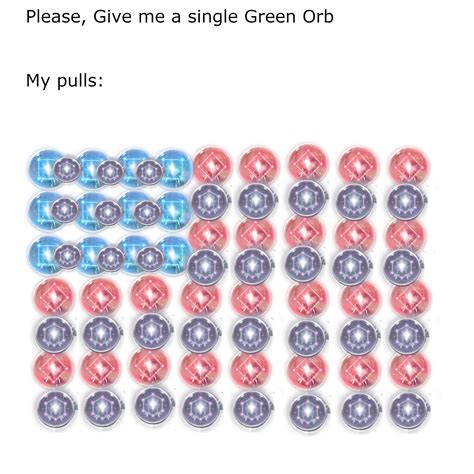
One of the most immediate red flags is a lack of transparency regarding gacha rates, or rates that are so low they effectively make desired items unattainable without massive spending. While many jurisdictions now mandate rate disclosure, some games bury this information or present it in a way that’s hard to interpret. If a top-tier character has a 0.01% chance, you’re not playing a game; you’re buying lottery tickets with negligible odds.
Moreover, watch out for “pity” systems that reset too frequently or require an astronomical number of pulls to guarantee a desirable outcome. A pity timer that guarantees a 5-star unit only after 200 pulls, combined with low initial rates, can still feel like an endless grind or money pit.
Aggressive Power Creep and Rapid Obsolescence
A healthy gacha game introduces new units that expand gameplay options without immediately invalidating existing ones. Aggressive power creep, however, is a clear sign of a game designed to force continuous spending. This occurs when newly released characters or equipment are significantly more powerful than the previous generation, making your recently acquired or invested-in units quickly obsolete. Players are then compelled to chase the new meta to remain competitive, creating an endless cycle of spending.
Essential Progression Locked Behind Paywalls
Many gacha games offer convenience items for purchase, which is generally acceptable. The red flag appears when critical progression elements, such as character ascension materials, vital upgrade items, expanded inventory slots (beyond reasonable F2P limits), or even basic energy refills, are primarily available through premium currency or direct purchase. If advancing your account feels impossible without opening your wallet, the game is likely designed to be pay-to-win.
This also extends to systems where the free avenues for acquiring necessary resources are painstakingly slow or heavily time-gated, pushing players towards paid shortcuts.
“Whale Traps” and Endless Spending Ceilings
Some gacha games are designed with no real “endgame” for spending. While many games have a point where a player can reasonably max out their desired team, predatory titles introduce infinite ways to spend for marginal gains. This includes:
- Duplicate Systems: Requiring numerous copies of a rare unit to unlock its full potential (e.g., “star-ups,” “ascension,” “limit breaks”).
- Premium Currencies for Essential Summons: The core summoning currency is primarily paid, with free acquisition being a trickle.
- Endless Resource Bundles: Constant pop-ups for limited-time, high-value bundles that are essential for rapid progression.
These systems create an environment where the most dedicated (and wealthiest) players can always spend more to gain an edge, making it impossible for F2P or light spenders to ever truly catch up.

Aggressive FOMO (Fear of Missing Out) Tactics
FOMO is a powerful psychological tool, and gacha games leverage it heavily. Red flags include:
- Frequent Limited-Time Banners: Constantly rotating banners with “exclusive” or “time-limited” units that may never return, pressuring players to pull now.
- Event-Exclusive Characters/Items: Locking powerful units or crucial resources behind specific events with extremely tight timelines or high grind requirements, effectively making them pay-to-skip.
- Daily Login Bonuses that Require Spending: Some games offer daily bonuses that only activate or become substantial if you make a purchase on that day, creating a sense of lost value if you don’t.
These tactics are designed to create urgency and impulse spending, rather than allowing players to save and plan strategically.
VIP Systems and Artificial Energy Gates
VIP systems, where players gain increasing benefits (like better daily rewards, increased drop rates, or bonus currency) based on cumulative spending, are a clear pay-to-win indicator. They directly reward spending with in-game advantages. Similarly, overly restrictive energy systems that replenish slowly and offer little leeway for sustained play without paying for refills are designed to gate progress and encourage spending to bypass artificial roadblocks.
Conclusion: Play Smart, Not Hard-Pushed
While the allure of F2P gacha games is strong, being aware of these red flags can empower players to make informed decisions. A truly player-friendly gacha game offers value, fair progression for all, and respects your time and wallet. If a game constantly pressures you to spend, makes free progression feel like a chore, or renders your investments obsolete too quickly, it might be time to reconsider if it’s truly providing entertainment value. Play smart, enjoy games responsibly, and don’t let manipulative mechanics dictate your fun.