




How to choose truly age-appropriate games for my child beyond ESRB ratings?

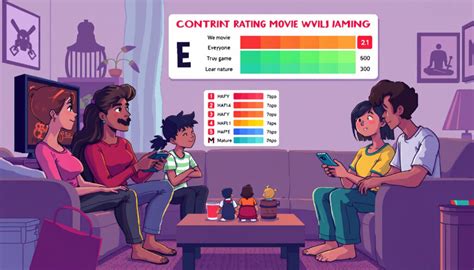
In today’s digital age, video games are an undeniable part of many children’s lives. While the Entertainment Software Rating Board (ESRB) provides a valuable first line of defense, offering ratings like E for Everyone, T for Teen, and M for Mature, these labels often don’t tell the whole story. As parents, understanding how to delve deeper to choose truly age-appropriate games is crucial for fostering positive play experiences.
The Limitations of ESRB Ratings
ESRB ratings primarily focus on content descriptors such as violence, language, sexual themes, and drug references. While essential, they don’t always account for a game’s complexity, emotional intensity, or the type of critical thinking and motor skills required. A game rated ‘E for Everyone’ might still be too complex for a very young child, while a ‘T for Teen’ game could explore themes in a way that resonates positively with a mature pre-teen. Conversely, some ‘M for Mature’ games might have story-driven elements that are less problematic than the rating suggests, depending on the individual child.

Beyond the Label: Key Factors to Consider
1. Cognitive and Developmental Suitability
Does the game’s complexity match your child’s cognitive abilities? Consider the required problem-solving skills, memory demands, strategic thinking, and fine motor coordination. A puzzle game might be ‘E for Everyone’ but still frustrate a child who isn’t ready for complex spatial reasoning. Look for games that offer a suitable challenge without overwhelming or under-stimulating your child.
2. Emotional and Psychological Impact
This is where ESRB ratings can fall short. A game might have cartoon violence, making it ‘E’, but its themes could be scary, stressful, or emotionally intense for a sensitive child. Assess the overall tone, narrative themes, and potential for anxiety or frustration. Does the game promote positive emotional responses, or could it lead to anger, fear, or a sense of failure? Consider how your child typically reacts to stories, movies, or real-life stressors.
3. Social and Cooperative Elements
Many games today are multiplayer. Who will your child be interacting with? Are the interactions cooperative, competitive, or a mix? Are there opportunities for positive social learning, teamwork, and communication? Or does the game expose them to unregulated chat, cyberbullying, or inappropriate language from strangers? Parental controls for online interactions are vital here.

4. Time Commitment and Addiction Potential
Some games are designed to be highly engaging and can easily consume vast amounts of time. While not directly a ‘rating’ factor, understanding a game’s loop – how it rewards progress, encourages continued play, and potentially uses in-app purchases – is crucial. Is it a game that can be picked up and put down easily, or does it demand long, uninterrupted play sessions to progress? Consider your family’s values regarding screen time and balance.
5. Your Child’s Unique Personality and Interests
No two children are alike. A game that is perfectly fine for one child might be entirely unsuitable for another, even if they are the same age. Does the game align with your child’s existing interests? Are they typically sensitive, easily frustrated, highly competitive, or more laid-back? Tailoring your choices to their individual temperament will lead to a more enjoyable and beneficial experience.
Practical Steps for Parents
Armed with these considerations, how do you put them into practice?
- Watch Gameplay Videos: Websites like YouTube and Twitch offer countless hours of gameplay. Watch a few minutes to get a feel for the mechanics, pace, and overall tone.
- Read Reviews from Other Parents: Many gaming review sites and forums include parent-specific feedback that goes beyond official ratings.
- Play Together or Observe: The best way to understand a game is to experience it yourself. Play a session with your child or sit and observe their reactions and interactions.
- Talk to Your Child: Engage them in conversation. Ask them why they want to play a certain game, what they like about it, and how it makes them feel. Their insights are invaluable.
- Utilize Parental Controls: Most modern consoles and gaming platforms offer robust parental control settings that allow you to manage playtime, restrict purchases, and limit online interactions.

Conclusion
While ESRB ratings provide a necessary baseline, they are just the starting point for choosing truly age-appropriate games. By adopting a holistic approach that considers your child’s developmental stage, emotional resilience, social environment, and individual personality, you can make informed decisions that enrich their play experiences and align with your family’s values. Active parental involvement, observation, and open communication remain the most powerful tools in navigating the dynamic world of video games.