



How do I choose age-appropriate games using ESRB ratings effectively?

Decoding Video Game Ratings for Your Family
In today’s digital age, video games are an integral part of many children’s lives. While they offer entertainment and can even foster valuable skills, the sheer volume and variety of games can make choosing appropriate titles a daunting task for parents. Fortunately, the Entertainment Software Rating Board (ESRB) provides a robust system designed to help families make informed decisions. But simply knowing the rating isn’t always enough; understanding how to use these ratings effectively is key.

What Are ESRB Ratings?
The ESRB assigns ratings to video games and apps to inform consumers about content. Each rating consists of two primary components:
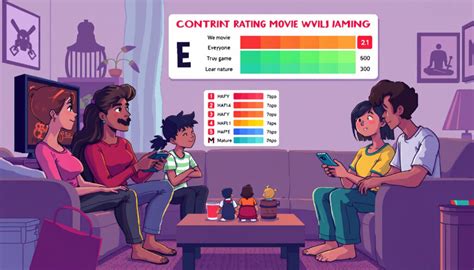
- Rating Categories: These are the familiar letter-based symbols (E, E10+, T, M, AO) found on game boxes and digital storefronts, suggesting an age range for which the content is generally suitable.
- Content Descriptors: These offer specific information about the elements that contributed to the rating. They describe the nature of the content (e.g., “Fantasy Violence,” “Mild Language,” “Drug Reference”) that may be of interest or concern to parents.
By understanding both parts, parents gain a much clearer picture of what to expect from a game.
Understanding the Rating Categories
Each rating category signifies a different level of content appropriateness. Familiarizing yourself with these broad guidelines is the first step:
- E (Everyone): Content is generally suitable for all ages. May contain minimal cartoon, fantasy, or mild violence and/or infrequent mild language.
- E10+ (Everyone 10+): Content is generally suitable for ages 10 and up. May contain more cartoon, fantasy or mild violence, mild language, and/or minimal suggestive themes.
- T (Teen): Content is generally suitable for ages 13 and up. May contain violence, suggestive themes, crude humor, minimal blood, simulated gambling, and/or infrequent use of strong language.
- M (Mature): Content is generally suitable for ages 17 and up. May contain intense violence, blood and gore, sexual content, and/or strong language.
- AO (Adults Only 18+): Content suitable only for adults. This rating means the game may include prolonged scenes of intense violence, graphic sexual content, and/or gambling with real currency.

Decoding Content Descriptors for Granular Detail
While rating categories provide a broad stroke, content descriptors offer the crucial details. These short phrases explain why a game received its specific rating. For example, two “T” rated games might have very different content: one might feature “Fantasy Violence” and “Crude Humor,” while another might list “Mild Language” and “Suggestive Themes.”
Always look beyond just the letter. On physical games, these are typically found below the rating symbol on the front and on the back of the game box. For digital games, they are prominent on product pages in online stores. Pay attention to terms like “Blood,” “Drug Reference,” “Intense Violence,” “Sexual Themes,” “Strong Language,” and “Use of Alcohol.” These descriptors allow you to make nuanced choices based on your family’s specific values and sensitivities.

Beyond the Symbol: Tips for Effective Use
Simply glancing at the rating isn’t enough. To use ESRB ratings effectively, consider these tips:
- Always Check Both Components: Never choose a game based solely on the rating category. The content descriptors are where the real insight lies.
- Read the ESRB Rating Summary: The ESRB website (ESRB.org) provides detailed “Rating Summaries” for most rated games. These summaries go into greater depth about the specific content that led to a rating, often with examples from the game.
- Watch Gameplay Videos and Reviews: Complement ESRB ratings with actual gameplay footage (e.g., on YouTube) or trusted parent reviews. This can give you a tangible sense of the game’s atmosphere and mechanics.
- Talk to Your Children: Engage your kids in the conversation about what games they want to play and why. Explain your rationale for approvals or disapprovals based on the ESRB ratings and your family’s values.
- Consider Your Child’s Maturity Level: The ESRB ratings are guidelines. You know your child best. A particularly sensitive 13-year-old might not be ready for some “T” rated content, while a mature 9-year-old might handle certain “E10+” elements without issue.

Utilizing ESRB Resources
The ESRB is more than just a rating system; it’s a valuable resource for parents. Their official website (ESRB.org) offers a comprehensive search tool where you can look up any game by title and view its complete rating information, including detailed summaries. They also have a mobile app that allows for quick look-ups on the go. Leveraging these tools ensures you have all the information you need at your fingertips.

Conclusion
The ESRB rating system is an indispensable tool for parents navigating the complex world of video games. By understanding both the rating categories and, more importantly, the specific content descriptors, you can confidently choose games that are not only age-appropriate but also align with your family’s unique values and your child’s individual maturity level. Use the ratings as a guide, not a strict rule, and empower yourself to make informed decisions for a safer and more enjoyable gaming experience for everyone.