Which age-appropriate games truly engage kids and offer educational value or skill-building?

The Power of Play: More Than Just Fun
As parents, we constantly seek ways to enrich our children’s lives, and few avenues are as effective and enjoyable as play. However, in a world saturated with countless games, how do we discern those that truly engage kids while simultaneously offering tangible educational value or critical skill-building opportunities? The key lies in understanding age-appropriateness, developmental stages, and the intrinsic elements that make a game both captivating and beneficial.

Understanding Developmental Stages and Game Choices
A game’s effectiveness is profoundly tied to whether it aligns with a child’s cognitive, emotional, and physical development. What engages a toddler will bore a pre-teen, and what challenges an older child might frustrate a younger one.
For Toddlers and Preschoolers (Ages 2-5)
At this stage, children are primarily developing gross and fine motor skills, language, and early social interaction. Games should be sensory-rich, simple, and allow for repetition. Look for:
- Building Blocks and Construction Sets: Develop spatial reasoning, fine motor skills, and creativity.
- Simple Puzzles: Enhance problem-solving, shape recognition, and hand-eye coordination.
- Memory Games (e.g., animal matching): Boost memory recall and concentration.
- Pretend Play Sets: Foster imagination, language development, and social skills (e.g., kitchen sets, doctor kits).
For Early Elementary Children (Ages 6-9)
Children in this age group are ready for more complex rules, basic strategy, and early academic concepts. Games can reinforce school learning while nurturing critical thinking.

- Board Games (e.g., Chess, Checkers, Scrabble Junior): Introduce strategy, critical thinking, literacy, and numeracy.
- Science Kits and Experiments: Spark curiosity, teach scientific principles, and encourage hands-on exploration.
- Coding Apps and Robot Kits: Lay foundational computational thinking and problem-solving skills.
- Creative Arts & Crafts: Develop fine motor skills, artistic expression, and focus.
For Pre-Teens (Ages 10-12)
Pre-teens thrive on challenges that involve complex strategy, collaboration, and critical evaluation. They are often ready for games with longer playtimes and deeper narratives.
- Advanced Strategy Board Games (e.g., Settlers of Catan, Ticket to Ride): Foster strategic planning, negotiation, and resource management.
- Logic Puzzles and Brain Teasers: Enhance deductive reasoning and problem-solving.
- Role-Playing Games (tabletop or appropriate video games): Develop storytelling, imagination, teamwork, and decision-making.
- Model Building Kits: Improve patience, precision, and spatial awareness.
Elements of Truly Engaging and Educational Games
Beyond age-appropriateness, certain characteristics make games particularly effective in engaging children and promoting growth:
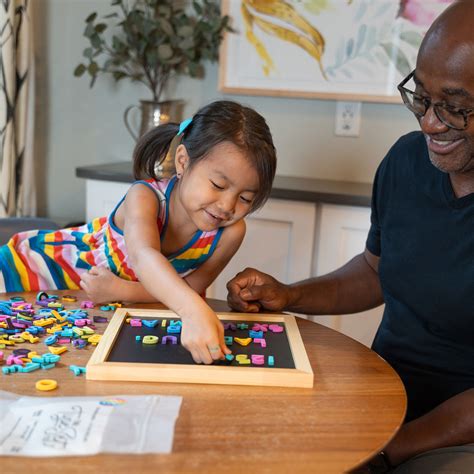
- Interactive and Hands-On: Games that require active participation rather than passive observation tend to be more engaging and memorable.
- Problem-Solving Opportunities: Challenges that encourage children to think critically and find solutions are crucial for cognitive development.
- Adaptability and Progression: Games that can grow with the child, offering increasing levels of difficulty or new ways to play, maintain engagement over time.
- Social and Emotional Learning: Cooperative games teach teamwork, negotiation, and empathy, while even competitive games can teach sportsmanship.
- Nurturing Creativity and Imagination: Open-ended games that allow children to create, design, or tell stories foster innovative thinking.
Balancing Screen Time with Hands-On Exploration
While many excellent educational apps and video games exist, it’s vital to maintain a balance with physical, hands-on play. Digital games can offer unique learning pathways, but traditional games provide irreplaceable sensory experiences, opportunities for gross motor skill development, and direct social interaction that screens cannot fully replicate. A healthy mix ensures holistic development.

Making Informed Choices for Lasting Impact
Choosing the right games for your child is an investment in their development. By considering their age, developmental stage, and the core elements of truly educational play, parents can transform playtime into a powerful catalyst for learning, skill-building, and imaginative growth. The most engaging games are those that meet children where they are, challenge them gently, and provide the joy of discovery, paving the way for lifelong learning and essential life skills.