When writing game beginner guides, what’s the most crucial element to prevent info overload?

New players embarking on a new game journey are often eager but also fragile. Too much information, too quickly, can overwhelm and disengage them before they even grasp the basics. The challenge for guide writers is to equip them without drowning them. So, what’s the single most crucial element to prevent information overload?
The Crucial Element: Prioritization and Progressive Disclosure
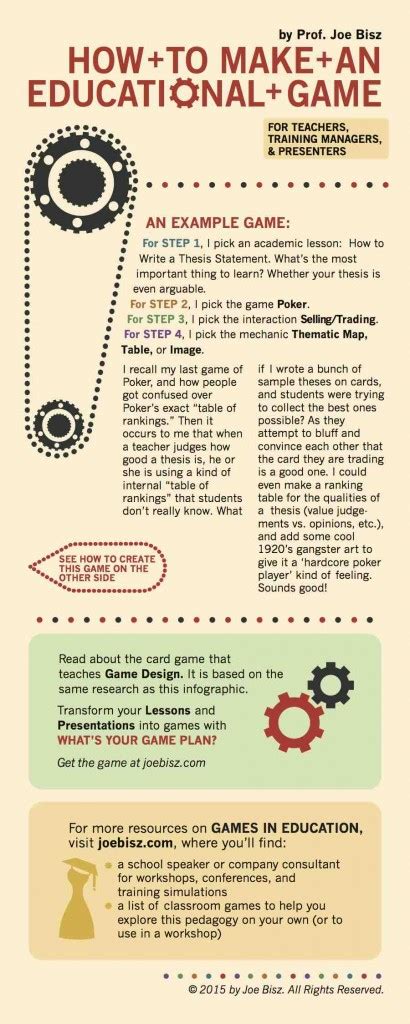
The absolute most crucial element is a combination of **prioritization** and **progressive disclosure**. It’s about discerning what a beginner absolutely needs to know right now to take their next step, and then delivering that information in small, digestible chunks as they become relevant, rather than dumping everything at once.
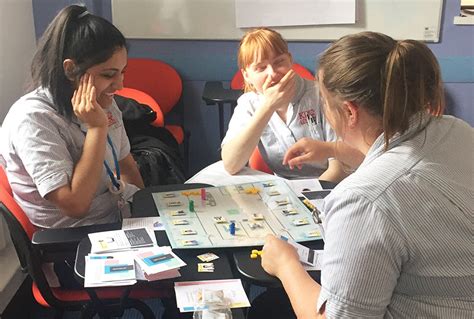
Prioritization means understanding the core loop of the game and identifying the minimum viable knowledge required to engage with it. Progressive disclosure means scaffolding the learning experience, building upon previously learned concepts, and revealing more advanced mechanics only when the player is ready for them or when they naturally encounter them.
Start with the Absolute Essentials
When crafting a beginner guide, resist the urge to explain every UI element, every lore detail, or every advanced strategy from the outset. Instead, focus on:
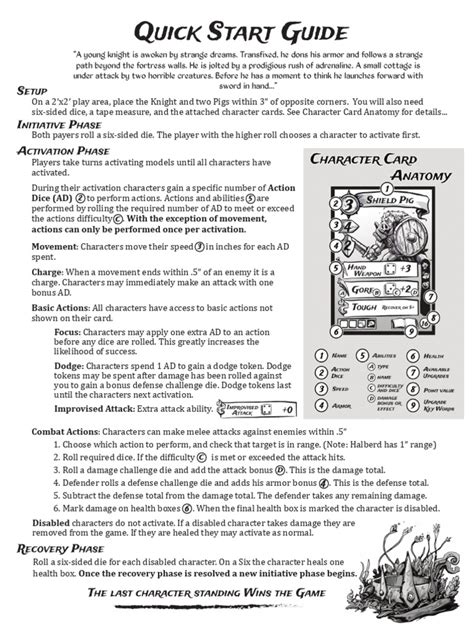
- **Basic Movement and Controls:** How to move, interact with the world, and access the most fundamental actions.
- **The Core Objective:** What is the immediate goal? How do you achieve it? (e.g., ‘defeat this enemy,’ ‘collect this item,’ ‘reach this location’).
- **Key Game Mechanics:** Introduce one or two central mechanics that are unavoidable for progression.
Everything else should be held back. Think of it as teaching someone to ride a bike: you teach them how to pedal and steer first, not advanced braking techniques or maintenance schedules.
Chunk Information Logically
Even the essential information needs to be presented clearly. Break down complex ideas into smaller, manageable sections. Use clear headings, bullet points, and short paragraphs. Each section should ideally focus on one key concept or action. This makes the guide scannable and less daunting.
Focus on Actionable Steps, Not Just Concepts
Beginners learn by doing. Frame your guide around actionable steps rather than abstract explanations. Instead of saying, “The inventory system allows you to manage items,” say, “Press ‘I’ to open your inventory. To use an item, click on it and then click ‘Use’.” Connect every piece of information to an immediate, tangible action a player can take and see the result of.
Resist the Urge to Explain Everything Upfront
It’s tempting to want to be thorough, but for a beginner guide, “thorough” often translates to “overwhelming.” Advanced mechanics, optimal builds, deep lore, and endgame strategies belong in intermediate or advanced guides. A beginner guide’s success is measured by how quickly and easily a new player can start playing and enjoying the game, not by how much information they’ve memorized.

Utilize Clear and Concise Language
Avoid jargon, or explain it simply if it’s unavoidable. Use short sentences and direct language. Imagine explaining the concept to someone who has never played a video game before. Your goal is clarity, not literary flair.

Conclusion
In essence, preventing information overload boils down to a disciplined approach: prioritize what is absolutely critical for immediate engagement, progressively disclose further details as they become relevant, and present everything in bite-sized, actionable chunks. By doing so, you create a supportive learning path that empowers new players without ever making them feel lost in a sea of data.