What’s the smartest way to use game deal alerts & price trackers for max savings?

In the vast and ever-expanding universe of video games, the price tags can often be as formidable as the final boss. Fortunately, savvy gamers have an arsenal of tools at their disposal: game deal alerts and price trackers. Used intelligently, these resources don’t just save you a few dollars; they can dramatically reduce your gaming expenditure, allowing you to build an impressive library without breaking the bank. But what’s the smartest way to wield them for maximum savings?
Understanding Your Tools: Alerts vs. Trackers
Before diving into strategy, it’s crucial to distinguish between deal alerts and price trackers, as they serve distinct but complementary purposes. Deal alerts are real-time notifications that inform you when a game on your watchlist goes on sale or drops below a certain price point you’ve specified. They’re about immediate action and seizing opportunities as they arise.
Price trackers, on the other hand, offer a more historical perspective. They monitor a game’s price over time, displaying charts and data that show its lowest historical price, average price, and current trends. This historical data is invaluable for understanding if a “deal” is truly good or if you should wait for a better one based on past patterns.
Building Your Arsenal: Best Practices for Setup
The first step to smart savings is setting up your tracking system efficiently. Begin by identifying your preferred platforms. Major sites like IsThereAnyDeal, SteamDB, PSNProfiles, DekuDeals (for Nintendo Switch), and Xbox Deals are excellent starting points. Don’t limit yourself to just one; often, combining data from a couple of reliable sources gives you a more comprehensive view.
Next, create comprehensive wishlists on these platforms. Add every game you’re even remotely interested in. The more games on your list, the higher the chance of catching a significant discount. Crucially, set specific price thresholds. Don’t just track sales; tell the system you only want to be notified if a game drops to, say, $15 or less, or hits its all-time low. This prevents notification fatigue and ensures you only act on truly impactful deals.

Advanced Strategies for Savvy Gamers
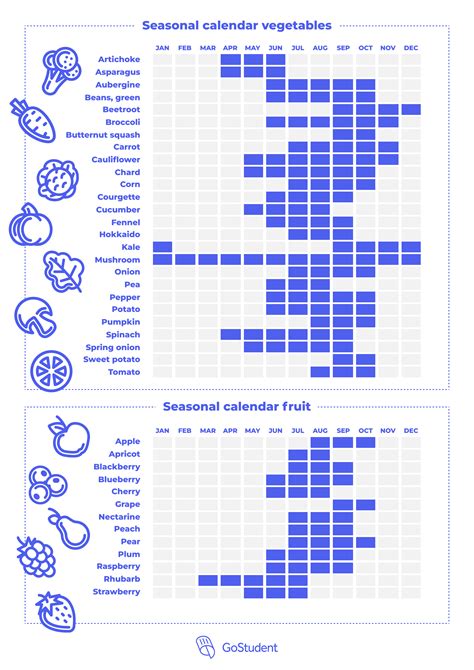
Beyond basic setup, several advanced tactics can amplify your savings. Firstly, always cross-reference deals with major seasonal sales events. Black Friday, Cyber Monday, Steam Summer/Winter Sales, PlayStation’s Days of Play, and Xbox’s Ultimate Game Sale are predictable periods of deep discounts. Use your price trackers to see how current “sale” prices compare to historical lows during these mega-events. Sometimes, waiting a few weeks can save you even more.
Secondly, pay attention to different editions of a game. Often, the “Deluxe” or “Ultimate” editions, which include DLCs, season passes, and extra content, go on sale at a steeper discount than the base game alone, especially long after release. A price tracker can show you if buying the full package on sale is cheaper than buying the base game and then the DLCs separately later.
Thirdly, consider regional pricing and storefronts. While VPN usage for purchasing can violate terms of service, simply being aware of price differences can inform your decisions. Sometimes, a game might be significantly cheaper on one platform’s store (e.g., Epic Games Store vs. Steam) or in a different region’s digital storefront (if accessible and legal to purchase from).
Avoiding Common Pitfalls
Even with the best tools, it’s easy to fall into traps. The most common pitfall is the impulse buy. A deal alert pops up, the price looks good, and you click “buy” without checking its historical low or considering if you’ll actually play it soon. Always take a moment to review the price history and your immediate desire to play the game before purchasing. Avoid notification overload by refining your alert settings; too many alerts can lead to ignoring them entirely.
Another mistake is ignoring platform-specific deals or bundles. Sometimes a console manufacturer (Sony, Microsoft, Nintendo) or a third-party store will offer exclusive bundles or discounts not picked up by all general trackers. Regularly check the official digital storefronts of your preferred platforms, especially during their own sales events.

Conclusion: Play Smarter, Save More
Mastering game deal alerts and price trackers is less about hunting for every single discount and more about strategic purchasing. By setting up robust wishlists, utilizing historical data, understanding sale cycles, and avoiding impulse buys, you transform your gaming hobby into a more cost-effective passion. These tools empower you to make informed decisions, ensuring you grab the games you truly want at the best possible prices, leaving more money in your wallet for other adventures—or more games!