What’s the optimal structure for a beginner’s ‘first 10 hours’ game guide?

Crafting the Perfect ‘First 10 Hours’ Game Guide
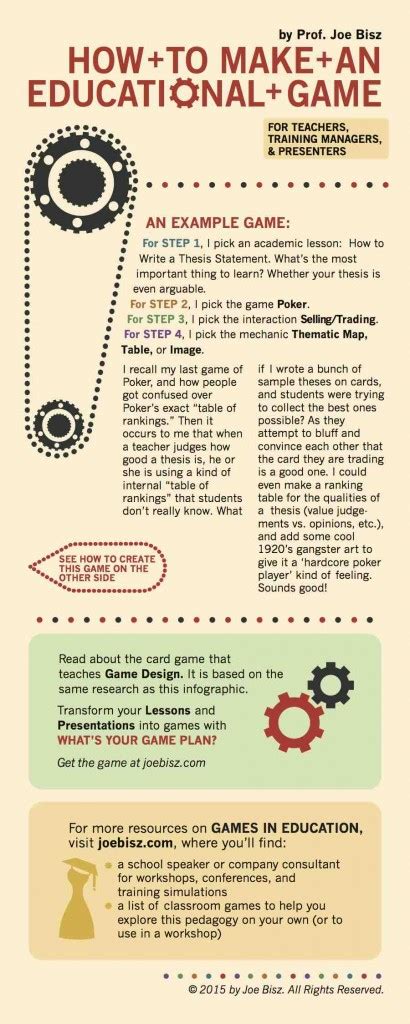
For many gamers, the initial hours with a new title determine whether they stick with it or move on. A well-structured ‘first 10 hours’ guide is invaluable, transforming potential frustration into foundational enjoyment. It’s not just about listing controls; it’s about setting expectations, demystifying core mechanics, and providing a clear path to early success. The optimal structure anticipates a beginner’s questions, addresses common hurdles, and gently introduces the game’s depth without overwhelming them.
I. Laying the Foundation: Pre-Game & Setup
Before the action even starts, new players need context and preparation. This section ensures they’re ready to dive in smoothly.
- Game Overview & Core Premise: A concise, exciting summary of what the game is about, its genre, and what makes it unique. Keep it brief – the goal is intrigue, not spoilers.
- System Requirements & Installation Tips: Basic checks for compatibility and any game-specific installation advice (e.g., patching, DLC installation order).
- Initial Settings & Accessibility: Guide players through essential settings adjustments before they start. This includes graphics, audio, control bindings, and crucial accessibility options that can significantly improve their experience.
II. The First Steps: Core Mechanics & UI Demystified
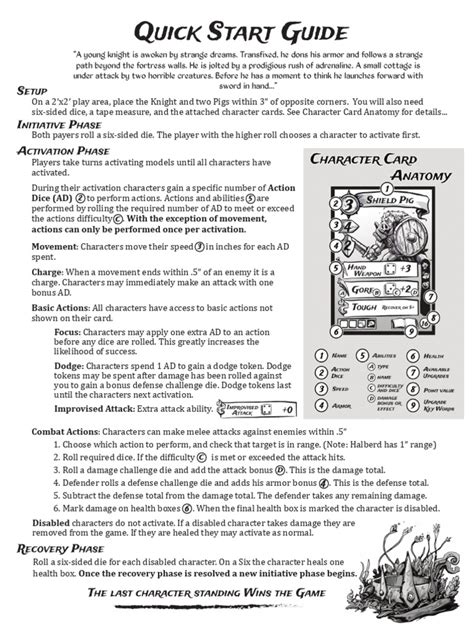
Once the game launches, the immediate focus shifts to understanding the interface and basic interactions. This is where many guides falter by either over-explaining or under-explaining.
- User Interface (UI) Explained: Break down the HUD (Heads-Up Display), inventory, map, and other crucial on-screen elements. Explain what each icon or bar represents and why it matters.
- Basic Movement & Interaction: Clearly outline core controls for movement, camera, and basic object interaction. Use universal terms where possible (e.g., WASD for movement, E for interact).
- Core Gameplay Loop: Describe the fundamental cycle of the game. Is it explore-collect-craft? Fight-loot-upgrade? Understand this loop is key to feeling productive.
- Tutorial Bypass/Reinforcement: Advise if the game has an in-game tutorial and whether to follow it, skip it, or if this guide serves as a better alternative or supplement.
III. Early Progression: Goals & Milestones
With the basics understood, players need direction. This section guides them through their initial objectives and how to make meaningful progress.
- First Quests/Objectives: A clear, step-by-step walkthrough of the very first missions or goals. Focus on objectives that introduce fundamental game systems.
- Character Development Basics: Explain how to level up, acquire new skills, or equip gear. Keep it simple, focusing on early game efficiency rather than min-maxing.
- Resource Management (Early Game): Introduce essential resources, how to acquire them, and their initial uses (e.g., basic crafting, healing items).
- Combat/Conflict Basics (if applicable): If the game involves combat, cover fundamental attack, defense, and evasion techniques. Emphasize survival over mastery.

IV. Common Pitfalls & How to Avoid Them
Empowering players to avoid early game mistakes significantly boosts confidence and retention. This section pre-empts frustrations.
- Beginner Traps: Highlight common mistakes new players make (e.g., selling crucial items, ignoring tutorials, rushing into high-level areas) and provide solutions.
- Troubleshooting & FAQ (Early Game Specific): Address frequently asked questions or common technical glitches relevant to the initial hours.
- Saving Mechanics: Clearly explain how and when to save progress, along with any auto-save features or specific save points.

V. Looking Ahead: Beyond the First 10 Hours
While the focus is on the initial experience, a good guide also piques interest in what’s to come, encouraging continued play.
- Setting Personal Goals: Encourage players to identify what they enjoy and set their own objectives (e.g., exploring a certain area, building a specific item, trying a different playstyle).
- Introducing Deeper Systems: Briefly mention advanced mechanics or major game features that unlock later, without diving into detail. This creates anticipation.
- Community Resources (Optional): Point to official forums, wikis, or fan communities where players can find further help or connect with others.
Conclusion
An optimal ‘first 10 hours’ game guide is a carefully curated journey, balancing essential information with an encouraging tone. It’s a stepping stone, not a full walkthrough, designed to build confidence and ignite a passion for the game. By prioritizing clarity, actionable advice, and a logical progression of information, such a guide ensures new players don’t just survive their first 10 hours, but truly enjoy them, setting the stage for countless more hours of gameplay.