What’s the best way to structure a game beginner guide for ultimate clarity?

An effective beginner guide is crucial for retaining new players. It shouldn’t overwhelm, but rather gently introduce them to the world of your game. The goal is ultimate clarity, making the initial experience enjoyable and educational. This article will outline the best structural approaches to achieve just that.
Know Your Audience and Their Starting Point
Before writing a single word, consider who your guide is for. Are they complete gaming novices or experienced players new to your specific genre? Understanding their baseline knowledge will dictate the level of detail and jargon you can use. A guide for a complex strategy game will differ significantly from one for a casual mobile puzzle.
Tailor the language and examples to resonate with them. Avoid assuming prior knowledge if your audience is broad, or dive deeper if they’re veterans seeking nuances.

The Foundational Elements: What Every New Player Needs
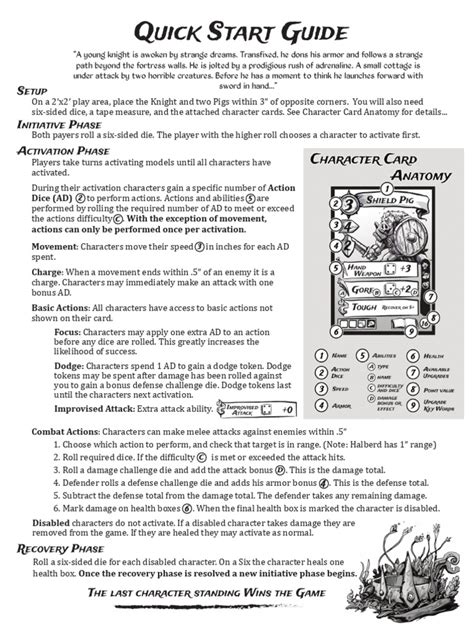
Start with the absolute essentials. What are the core controls? How do they move, interact, or attack? Dedicate clear sections to these fundamental mechanics.
Next, explain the User Interface (UI). Point out key elements like health bars, mini-maps, inventory, and objective markers. Use screenshots or diagrams to label each component.
Clearly define the game’s primary objective and initial goals. What should players be doing in the first 30 minutes? Provide a simple, step-by-step walkthrough for their very first tasks. This builds confidence and provides immediate direction.
Progressive Learning: A Gentle Ramp-Up
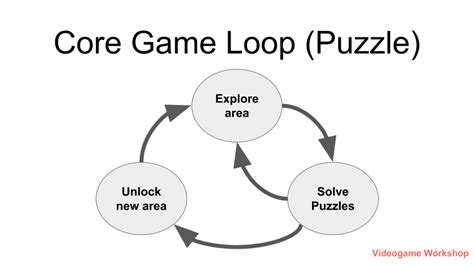
Avoid information overload. Introduce concepts in a logical, escalating order of complexity. Begin with basic movement, then combat, then resource gathering, then crafting, then more advanced systems. Each new concept should build upon previously explained ones.
Think of it as a series of mini-tutorials within the guide. Provide practical scenarios where players can apply what they’ve just learned. For example, “Now that you know how to use your sword, try defeating these practice dummies.”

Leverage Visual Aids and Examples
Text alone can be dry and hard to follow. Integrate screenshots, diagrams, and short video clips (if the guide is digital) to illustrate points. Show, don’t just tell.
When explaining a complex system, walk through a specific example. For instance, if explaining a crafting system, show the exact ingredients needed for a basic item and the steps to craft it. Visuals significantly enhance comprehension and retention.

Beyond the Basics: Troubleshooting and Next Steps
Once players grasp the core, you can briefly touch upon common pitfalls or frequently asked questions. What are typical beginner mistakes? How can they be avoided?
Provide clear pointers for where to go next. “Once you’ve mastered X, consider exploring Y.” This could be an introduction to multiplayer, advanced strategies, or links to community resources. Avoid diving deep into advanced topics, but signpost them.

Structuring a game beginner guide for ultimate clarity is about empathy, organization, and thoughtful presentation. By understanding your audience, breaking down concepts progressively, and utilizing strong visual support, you can transform a potentially overwhelming experience into an engaging and empowering journey for every new player. A well-crafted guide isn’t just an instruction manual; it’s the player’s first friendly hand-off into your game world.