What’s the best structure for beginner game guides to prevent new player overwhelm?

Entering a new game world can be an exhilarating experience, but for many new players, it quickly turns into a daunting one. Modern games, rich with intricate mechanics, expansive lore, and complex interfaces, often drop beginners into the deep end. This is where well-structured game guides become invaluable. But how do you design a guide that truly helps, rather than adding to the information overload?

The Challenge of New Player Overwhelm
New player overwhelm typically stems from a ‘firehose’ approach to information delivery. They’re presented with too many options, too many systems, and too much jargon all at once. This cognitive overload can lead to frustration, premature abandonment of the game, and a lost potential player. An effective guide must act as a gentle hand-holding experience, slowly revealing the game’s depth.
The goal isn’t just to list game features, but to teach a player how to *play* and *enjoy* the game from the ground up. This requires a guide structure that prioritizes immediate needs, builds understanding progressively, and empowers the player to learn independently.
Foundational Principles for Effective Guides
Before diving into a specific structure, let’s establish key principles that should underpin any beginner guide:
Prioritize Core Mechanics First
What does a player absolutely *need* to know to take their first few steps and feel like they’re accomplishing something? This usually includes basic movement, interaction with the environment, and the game’s primary objective or loop. Leave advanced strategies and nuanced systems for later.
Progressive Information Disclosure
Information should be layered. Introduce concepts one at a time, building upon previously explained ideas. Think of it like learning a language: you start with basic greetings, then simple sentences, before moving to complex grammar.
Chunking and Digestible Segments
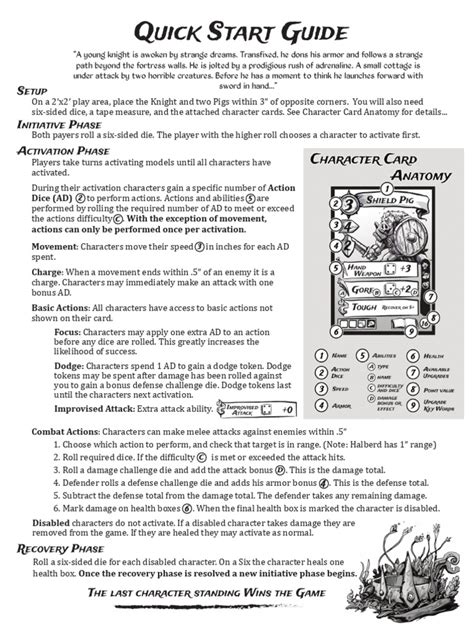
Break down large topics into smaller, manageable chunks. Use headings, subheadings, bullet points, and short paragraphs to make the content scannable and less intimidating. Each ‘chunk’ should ideally cover one distinct idea or action.
Actionable Advice and Immediate Application
A good guide isn’t just theoretical; it’s practical. Provide steps players can immediately try in the game. Include examples, common scenarios, and ‘do this now’ advice that reinforces learning through doing.

A Step-by-Step Guide Structure for Success
Here’s a proposed structure that progressively introduces information, designed to minimize overwhelm:
Phase 1: The “Getting Started” Guide (0-30 Minutes)
- The Very Basics: What is this game about? What’s the main goal?
- Core Controls: Movement, basic interaction (e.g., ‘use’ button, attack), opening the most essential menu.
- First Objective: A simple, achievable task that gets them moving (e.g., ‘find X,’ ‘defeat Y’).
- Essential UI Elements: Health bar, minimap, quest tracker – explain only what they need for the first 5 minutes.
- Encouragement: Emphasize exploration and not worrying about mistakes.
Phase 2: Early Game Foundations (1-2 Hours)
- Expanding on Core Loop: Deeper explanation of the main gameplay loop.
- Key Mechanics Explained Simply: Introduce one or two more fundamental systems (e.g., basic crafting, inventory management, simple combat tactics).
- Common Resources/Currency: What are they, where to find them, what they’re for.
- First Major Goals/Milestones: Suggest mid-term objectives that guide their initial progression.
- Basic Troubleshooting: What to do if they get stuck or confused (e.g., ‘check your quest log’).

Phase 3: Developing Understanding (Beyond Basics)
- Advanced Mechanics Introduction: Briefly touch upon systems that become important later (e.g., skill trees, faction reputation, advanced combat maneuvers). Don’t explain everything, just introduce the concept.
- Character/Build Progression Basics: Simple advice on how to make their character stronger or more effective without deep dives into optimization.
- Common Challenges & Solutions: Address typical roadblocks players encounter in the mid-game.
- Social Aspects (if applicable): How to interact with other players, join a guild, or use communication features.
Phase 4: Advanced Concepts & Resources (Ongoing Journey)
- Where to Find More Information: Link to official wikis, community forums, reputable content creators.
- Introduction to Optimization/Endgame: Briefly mention that there’s more depth for those who want it, without overwhelming.
- Community Etiquette: Tips for positive interactions (if applicable).
- Ongoing Learning: Encourage experimentation, enjoying the journey, and not being afraid to ask questions.

Enhancing Readability and Engagement
Beyond the structural flow, the presentation of your guide is critical. Use formatting to your advantage:
- Visuals: Screenshots, simple diagrams, or short GIFs can convey more information faster than text alone. They also break up text blocks.
- Clear Headings and Subheadings: Allow players to quickly scan and jump to relevant sections.
- Bullet Points and Numbered Lists: Perfect for step-by-step instructions or listing key takeaways.
- Bold Text: Highlight crucial terms, actions, or warnings.
- Friendly Tone: Keep the language accessible and encouraging, avoiding overly technical jargon where simpler terms suffice.

Conclusion: Empowering New Players
A well-structured beginner game guide is more than just a document; it’s a bridge between confusion and confidence. By prioritizing progressive learning, chunking information into digestible pieces, and focusing on actionable advice, you can create a guide that genuinely empowers new players. Remember, the goal isn’t to tell them everything, but to give them the tools and confidence to discover the rest for themselves, fostering a lasting connection with the game.