What’s the best actionable guide structure for new players to grasp complex game basics?

Introducing new players to a game with deep, intricate mechanics can be a daunting task. Overwhelming them with information leads to frustration and early abandonment, while simplifying too much can leave them unprepared. The key lies in crafting an actionable guide structure that gradually builds understanding and provides immediate opportunities for application. So, what’s the optimal blueprint?

1. Start with the ‘Why’ Before the ‘How’
Before diving into specific button presses or menu navigation, explain the purpose of a mechanic. Why is this system important? How does it contribute to the overall game objective or player experience? Understanding the ‘why’ provides context, making the ‘how’ much more meaningful and memorable. For example, instead of just saying ‘press X to dodge,’ explain ‘dodging is crucial for avoiding enemy attacks and positioning yourself for counter-attacks, preserving your health.’ This establishes relevance.
2. Incremental Learning: The Building Block Approach
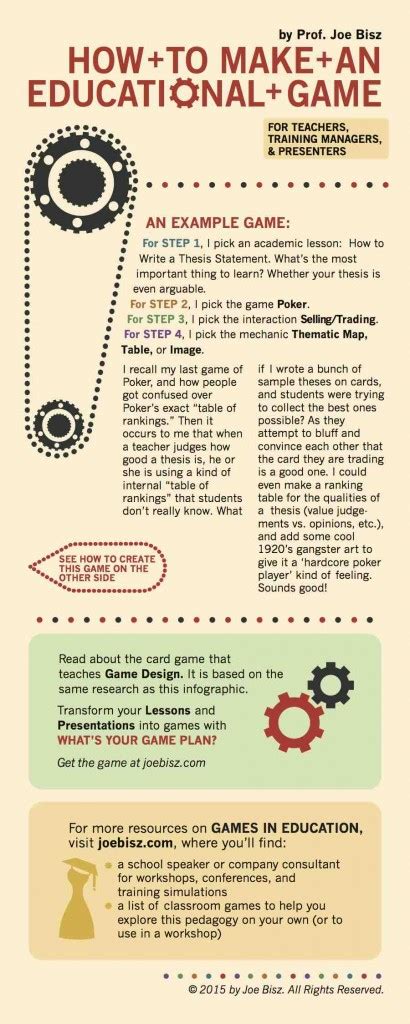
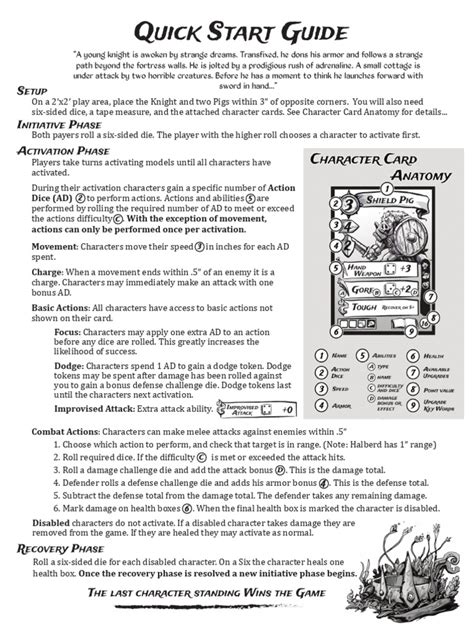
Complex games are often a collection of interconnected simple systems. Break down the overarching complexity into manageable, bite-sized modules. Introduce one core concept or mechanic at a time, ensuring it’s fully understood before layering on the next. Think of it as building blocks: players master ‘Block A’ (e.g., basic movement) before ‘Block B’ (e.g., combat basics), and then combine them for ‘Block A+B’ (e.g., moving while attacking). This scaffolding prevents cognitive overload.
3. Practical Application & Immediate Feedback
A guide isn’t truly ‘actionable’ unless it provides opportunities to act. After explaining a concept, immediately present a controlled environment where the player can practice it. This could be a simple training arena, a guided mission, or an interactive pop-up. Crucially, this practice must come with clear, immediate feedback. Did they succeed? If not, why? What could they do differently? This reinforces learning and corrects misconceptions on the spot.
4. Visuals, Diagrams, and Multimedia Are Essential
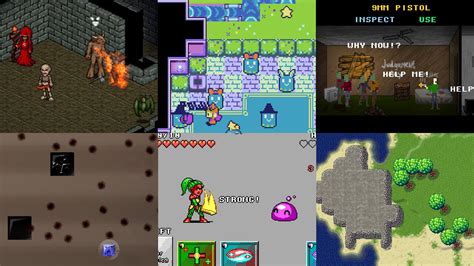
Text-heavy guides are often ignored. Incorporate clear screenshots, intuitive flowcharts, animated GIFs, or short video clips to illustrate concepts. A diagram showing attack ranges or a short video demonstrating a combat combo is often far more effective than paragraphs of descriptive text. Visual aids can convey complex spatial relationships or timing-sensitive actions much more efficiently, appealing to different learning styles.
5. Curated Information & Avoiding Overload
It’s tempting to put everything into a beginner’s guide, but this is counterproductive. Focus only on the absolutely essential mechanics required to successfully engage with the early game. Advanced strategies, niche builds, or deep lore can be introduced later or via supplementary resources. Prioritize ‘need-to-know’ over ‘nice-to-know’ to keep new players engaged and prevent them from feeling overwhelmed by too much detail too soon.
6. Progressive Disclosure & Advanced Concepts
Once basic mechanics are understood, progressively disclose more layers of complexity. This could be through:
- Optional ‘Advanced Tips’ sections: Accessible after core lessons.
- Contextual tooltips: Appearing when a player interacts with a relevant object or UI element.
- In-game challenges: Designed to push players to combine learned mechanics in new ways.
This allows players to deepen their understanding at their own pace without being forced to absorb everything at once.
7. Reinforcement Through Repetition & Dedicated Practice Environments
Learning is iterative. Important mechanics should be revisited and reinforced. This can happen through repeated challenges that require their use or dedicated practice modes (e.g., a shooting range for FPS games, a dummy for fighting games, a sandbox mode for builders). Giving players a low-stakes environment to experiment and hone their skills without pressure is invaluable for cementing complex basics into muscle memory and intuitive understanding.
Conclusion
The optimal guide structure for complex game basics combines contextual understanding (‘why’), incremental learning (‘how’), immediate practical application, strong visual support, and carefully curated information. By following these principles, guide creators can transform potentially daunting games into accessible and enjoyable experiences for new players, fostering a stronger, more engaged community from the very beginning.