What’s the #1 tip for creating game beginner guides that reduce player overwhelm?

Modern video games, with their intricate mechanics, sprawling worlds, and deep lore, can be incredibly daunting for new players. A poorly constructed beginner guide can quickly turn excitement into frustration, leading to players abandoning the game before they’ve even scratched the surface. So, what’s the single most crucial piece of advice for crafting guides that genuinely help, rather than overwhelm, new players?
The Root of Overwhelm: Information Overload
Many beginner guides, both official and community-made, fall into the trap of trying to explain everything upfront. They present a deluge of controls, systems, stats, and lore, often in a long wall of text or an exhaustive, multi-hour video. While well-intentioned, this approach quickly saturates a new player’s cognitive capacity. Their brains are trying to grasp basic movement while simultaneously processing advanced crafting recipes and faction allegiances, leading to confusion and a feeling of being inadequate.
Imagine learning to drive by first being shown an entire car repair manual. You wouldn’t know where to begin. Learning to play a complex game is no different; players need a curated, step-by-step introduction to its core functionalities.
The #1 Tip: Embrace Progressive Disclosure
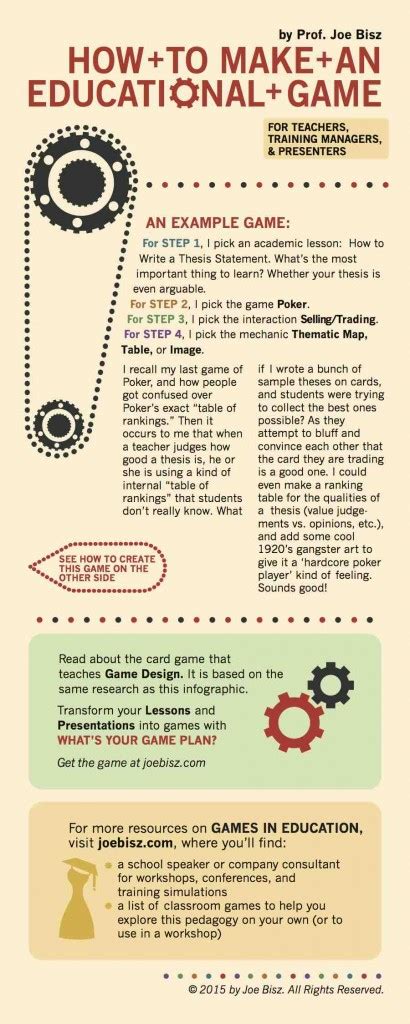
The single most powerful technique for creating beginner guides that reduce player overwhelm is **progressive disclosure**. This principle dictates that you only show users the information they need, exactly when they need it, and layer more complex details on top as they become ready for it.
Instead of front-loading every single mechanic, progressive disclosure breaks down learning into manageable, contextual chunks. It respects the player’s learning curve, allowing them to master foundational concepts before introducing advanced ones. This method aligns with how humans naturally learn: by building upon prior knowledge and applying it immediately.

How to Implement Progressive Disclosure in Your Guides
1. Prioritize Core Mechanics First
What does a player absolutely *need* to know to take their first few steps and feel effective? Focus on movement, basic interaction, and fundamental combat or resource gathering. Advanced tactics, character builds, or deep lore can wait until the player has a firm grasp of the basics.
2. Contextualize Information
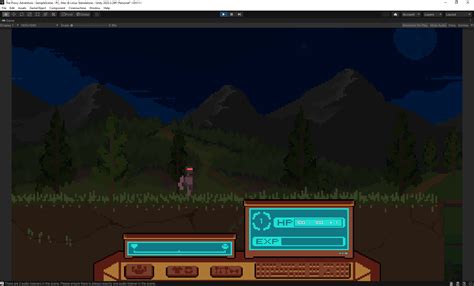
Don’t explain a mechanic in isolation. Explain it *as* the player is about to encounter or use it. For instance, if your game has a jumping puzzle, explain the jump controls right before the first jump, not in a list of all controls at the very beginning. If you’re introducing a crafting system, explain it when the player first gathers the necessary components, not when they load the game.

3. Chunk Information into Digestible Modules
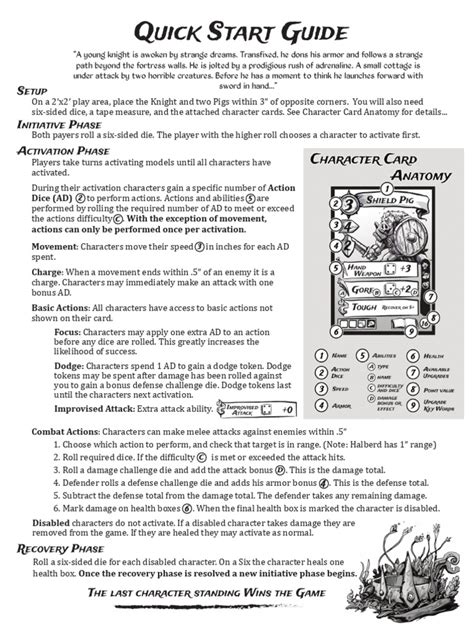
Break down larger topics into smaller, self-contained sections. Each section should have a clear goal and teach one or two related concepts. For external guides, use clear headings, bullet points, and short paragraphs. For in-game tutorials, use brief, focused prompts.
4. Leverage Visuals and Interactive Elements
A picture is worth a thousand words, especially in games. Use screenshots, short GIFs, or diagrams to illustrate concepts. For in-game guides, interactive prompts where the player must perform an action to proceed are incredibly effective. For external guides, consider linking to short, focused video clips demonstrating a specific action.
5. Offer Optional Deep Dives
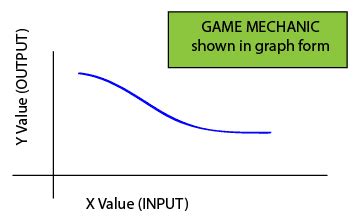
Once the essential information has been conveyed, provide clear pathways for players who *want* to learn more. This could be a clickable link to an advanced section, an in-game glossary, or an optional help menu. This allows curious players to explore further without forcing everyone to consume complex details they aren’t ready for.
The Impact of Progressive Disclosure
By adopting progressive disclosure, your beginner guides transform from an intimidating obstacle course into a welcoming guided tour. Players feel empowered, not overwhelmed. They learn by doing, see the immediate application of new knowledge, and build confidence with each small success. This approach significantly boosts player retention and overall enjoyment, ensuring more players stick around to experience the full depth of your game.

Ultimately, a great beginner guide doesn’t just explain a game; it teaches how to learn it. And the number one way to achieve that is by progressively disclosing information, treating learning as a journey, not a data dump.