What tools or methods effectively discover hidden indie gems & avoid duds?

Unearthing Digital Gold: Strategies for Finding Indie Gems
In the vast and ever-expanding universe of video games, the independent (indie) scene thrives with creativity, innovation, and unique experiences often overlooked by mainstream spotlights. Yet, this very abundance presents a challenge: how does one sift through the sheer volume of new releases to discover those hidden indie gems while simultaneously sidestepping the countless duds that can lead to disappointment and wasted time?
The journey of an indie game enthusiast is a constant quest for quality, originality, and the next unforgettable experience. Fortunately, a combination of savvy tools, dedicated communities, and smart methodologies can significantly enhance your treasure-hunting success rate.

Effective Tools and Methods for Discovery
Leveraging Curated Platforms and Marketplaces
Specialized platforms are your first line of defense. Itch.io stands out as a haven for experimental and niche titles, often featuring games fresh out of game jams or developed by emerging creators. Its robust tagging system and community-driven curation make it excellent for deep dives. Similarly, GOG (Good Old Games), while not exclusively indie, often highlights DRM-free indie darlings. Even Steam, despite its immense library, offers powerful discovery queues, user-defined tags, and the invaluable Steam Curators feature, where you can follow specific groups or individuals known for their taste in indies.
Harnessing the Power of Content Creators and Communities
Independent game reviewers, YouTubers, and Twitch streamers who specialize in showcasing indie titles are invaluable resources. Channels like ‘ACurio’ or ‘SplatterCatGaming’ often spotlight hidden gems before they gain mainstream traction. Their unfiltered gameplay and genuine reactions can provide a much clearer picture than a polished trailer. Beyond individual creators, active communities on platforms like Reddit (e.g., r/IndieGaming, r/gamingsuggestions) or dedicated indie game forums are buzzing with recommendations, discussions, and developer interactions, offering a more grassroots approach to discovery.
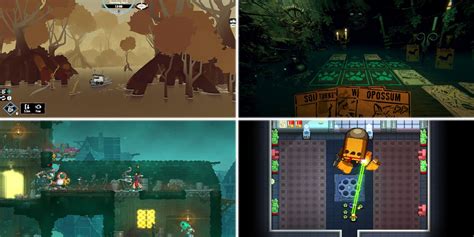
Exploring Game Jams and Festivals
For those truly dedicated to finding the cutting edge, exploring results from game jams (like Ludum Dare or Global Game Jam) or keeping an eye on indie game festivals (such as PAX Indie Showcase, GDC Play, or IGF) can yield fascinating early prototypes and innovative concepts. Many fantastic indie games started their lives in these creative crucibles.
Strategies for Avoiding Duds and Disappointment
Discovering a promising title is only half the battle; ensuring it meets expectations and isn’t a dud requires a critical eye and a few extra steps.
Prioritize Demos and Gameplay Footage
Always seek out a demo if one is available. There’s no better way to gauge a game’s mechanics, feel, and overall quality than to play it yourself. If a demo isn’t an option, watch actual gameplay footage – not just cinematic trailers. Look for longer videos from various sources to see if the core gameplay loop holds up.

Scrutinize Reviews and Community Sentiment
Don’t just read the top-rated reviews. Look for a spread of opinions, paying attention to specific criticisms. On Steam, filter reviews by playtime to see what players with significant hours are saying. Check sites like Metacritic or OpenCritic, but also delve into user reviews, which can often highlight issues professionals might overlook. Be wary of games with overwhelmingly positive reviews but very low playtime averages, or those with significant recent negative reviews after an update.
Investigate the Developer’s Track Record
A developer’s previous work can be a strong indicator of future quality. Have they released games before? What was the reception? Do they have a history of abandoning projects or failing to deliver on promises? While new developers deserve a chance, a consistent track record of quality and good communication is a reassuring sign.
Look for Red Flags
Be skeptical of overly ambitious promises, especially from small teams. Graphics that seem too good for the perceived budget, vague descriptions, or a lack of transparent development updates can be warning signs. A strong community presence and active communication from the developers, conversely, are positive indicators.

Conclusion: The Art of the Indie Hunt
Effectively discovering hidden indie gems and avoiding duds is an art form that combines proactive exploration with critical evaluation. By leveraging curated platforms, engaging with content creators and communities, prioritizing demos and genuine gameplay, and carefully scrutinizing developer history and community sentiment, you can dramatically improve your chances of unearthing truly special experiences in the vibrant world of independent gaming. Happy hunting!