What red flags & green flags identify a truly great indie hidden gem before buying?

Navigating the Indie Landscape for Unforgettable Experiences
The world of indie gaming is a treasure trove, brimming with creativity, innovation, and unique experiences often overlooked by mainstream audiences. Finding a true “hidden gem” – a game that delivers immense enjoyment and value without the fanfare of AAA titles – is one of gaming’s greatest pleasures. However, the sheer volume of independent releases also means navigating a minefield of unfinished projects, uninspired clones, and outright disappointments. So, how can discerning players spot the diamonds in the rough before committing their time and money?
This guide will equip you with the knowledge to identify key ‘green flags’ that signal a promising indie title and ‘red flags’ that warn of potential pitfalls. Understanding these indicators can transform your game discovery process, leading you to your next favorite, underappreciated masterpiece.

The Illuminating Green Flags of Quality Indie Games
When an indie game exhibits these characteristics, it’s often a strong indicator of quality, passion, and potential longevity:
1. Clear Vision and Unique Concept
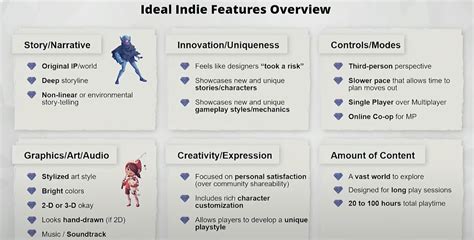
Great indie games often stem from a singular, compelling idea that hasn’t been overdone. Look for gameplay mechanics, art styles, or narrative approaches that genuinely stand out. Is the developer trying something genuinely new, or are they refining an existing concept in a creative way? A clear, concise description of what makes the game special is a good sign.
2. Developer Engagement and Transparency
Passionate developers often communicate openly with their community. Check their social media, Discord servers, or development blogs. Are they responsive to feedback? Do they share regular updates on their progress, challenges, and future plans? A developer who is visible and actively engages with players is usually invested in their project’s success and player satisfaction.
3. Positive & Specific Player Reviews (Even if Few)
Quantity doesn’t always equal quality. Look for reviews that delve into specific aspects of the gameplay, story, or mechanics, rather than generic praise like “it’s good.” Even a small number of in-depth, positive reviews from players who genuinely enjoyed the game can be far more telling than a flood of vague, high-score ratings.

4. Playable Demos or Clear Early Access Roadmaps
A playable demo allows you to experience the game firsthand and gauge its core mechanics and feel. For Early Access titles, scrutinize the roadmap: Is it detailed, realistic, and does it align with the game’s initial promise? Transparency about what’s included and what’s planned shows confidence and commitment.
5. Consistent Updates and Post-Launch Support
For games that have already launched, observe their update history. Do developers regularly fix bugs, add new content, or balance mechanics based on player feedback? Ongoing support is a strong indicator that the team is dedicated to their game’s long-term health and growth, transforming a good game into a truly great one.

The Warning Red Flags of Potential Indie Disappointments
Conversely, be wary of games displaying these characteristics, as they often signal trouble ahead:
1. Overly Ambitious Promises with Little Evidence
Beware of titles promising the moon and stars – features typically reserved for AAA budgets and teams – without showing substantial evidence of progress or a credible development history. Grand statements about revolutionary systems or endless content without concrete gameplay footage or design documents can be a sign of over-promising and under-delivering.
2. Vague Marketing and Lack of Gameplay Footage
If trailers are mostly cinematic, feature little actual gameplay, or use a lot of placeholder art, proceed with caution. Similarly, if the game’s description is nebulous, focusing on buzzwords rather than what you actually *do* in the game, it might be hiding a lack of substance or coherent design.

3. Negative Developer History or Repeated Failures
A quick search of the developer or publisher’s past projects can be very insightful. Have they released games that were abandoned, failed to deliver on promises, or were plagued with critical issues? A pattern of unfulfilled potential or poor execution is a significant red flag.
4. Generic or Manipulated Reviews
Be suspicious of review sections filled with extremely short, overly enthusiastic, and unspecific comments, especially if they appear to be from newly created accounts. Conversely, a deluge of consistently negative reviews highlighting fundamental flaws (e.g., poor controls, bugs, lack of content) should not be ignored.
5. Perma-Early Access with Stagnant Progress
While Early Access can be a valid development model, some games get stuck in a perpetual state of “early access” with infrequent updates, missed deadlines, or a complete lack of discernible progress towards a full release. If a game has been in Early Access for years with little to show, it’s a major red flag.
The Art of Discerning the Diamonds
Ultimately, identifying a truly great indie hidden gem requires a blend of critical observation and intuition. No single flag guarantees success or failure, but by weighing these indicators, you significantly improve your chances of uncovering those unforgettable experiences. Dive into community discussions, watch multiple gameplay videos, and trust your gut instinct. The joy of discovering that perfect, unsung game makes the effort entirely worthwhile. Happy hunting!