


What practical tips help parents manage kids’ gaming screen time?

In today’s digital age, video games are an integral part of many children’s lives. While gaming can offer numerous benefits, managing screen time effectively is a common challenge for parents. Striking a balance between enjoyment and healthy habits requires a proactive and thoughtful approach. This article provides practical, actionable tips to help parents navigate the complexities of kids’ gaming screen time.
Establish Clear Rules and Routines
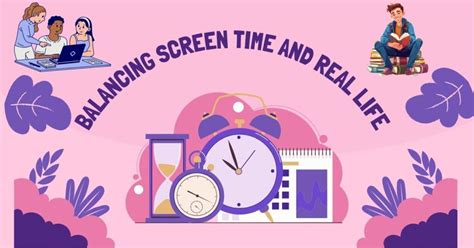
The first step in effective screen time management is setting clear, consistent boundaries. Involve your children in creating these rules, explaining the “why” behind them to foster understanding and cooperation. Define specific limits for gaming sessions – for example, a set number of minutes per day or week, or only after homework and chores are completed. Visual timers can be incredibly helpful for younger children to understand time limits.
Creating a predictable routine helps kids internalize these boundaries. Knowing when gaming time starts and ends reduces arguments and creates a sense of structure. Consider “no-screen zones” or “no-screen times,” such as during meals or an hour before bedtime, to promote other activities and better sleep.
Communicate and Understand
Open and honest communication is crucial. Instead of just imposing rules, talk to your children about their gaming habits. Ask them what games they enjoy, why they like them, and who they play with. Showing interest can build trust and make them more receptive to your guidance. Understand that some games have social components, which might be a significant draw for your child.
Discuss the potential downsides of excessive screen time, such as eye strain, sleep disruption, and neglecting other responsibilities, in an age-appropriate manner. Frame these conversations as collaborative problem-solving rather than disciplinary lectures.

Encourage Alternative Activities
One of the most effective ways to reduce gaming time is to provide appealing alternatives. Encourage participation in sports, creative arts, reading, board games, or outdoor play. Schedule family activities that don’t involve screens, like walks in the park, cooking together, or visiting a library or museum. The goal isn’t just to restrict gaming but to enrich your child’s life with diverse experiences.
Make sure these alternatives are accessible and engaging. Sometimes, children turn to screens out of boredom. Help them discover new hobbies and passions that offer a different kind of fulfillment and skill development.

Utilize Technology Wisely
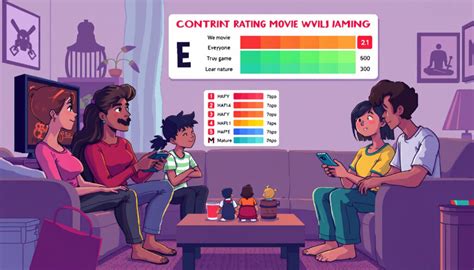
Many devices and platforms offer parental control features that can help manage screen time, restrict content, and even enforce breaks. Learn how to use these tools effectively on consoles, PCs, and mobile devices. While these tools can be helpful, they should complement, not replace, communication and trust-building.
Consider using apps that gamify chores or homework, or those that have educational value, as a way to integrate “screen time” more productively. However, be mindful that relying solely on technical solutions can sometimes lead to kids finding workarounds; human interaction and consistent parenting remain paramount.

Lead by Example
Children are keen observers, and they often mirror their parents’ behavior. Reflect on your own screen time habits. Are you constantly on your phone or watching TV? Modeling healthy screen habits – such as putting away devices during family meals, engaging in offline hobbies, and taking regular digital breaks – sends a powerful message to your children.
Show them that there’s a rich and engaging world beyond screens. Participate in activities with them that don’t involve devices. Your actions speak louder than any rules you might set.
Conclusion
Managing kids’ gaming screen time is an ongoing process that requires patience, consistency, and adaptability. By establishing clear rules, fostering open communication, promoting alternative activities, wisely using technology, and leading by example, parents can guide their children toward a balanced and healthy relationship with digital entertainment. Remember, the goal is not to eliminate gaming, but to integrate it harmoniously into a well-rounded and fulfilling childhood.