What key elements make a top-tier ‘first 5 hours’ game guide effective for newbies?

The initial hours of any new video game can be a daunting experience, especially for newcomers to a genre or franchise. A truly effective ‘first 5 hours’ game guide doesn’t just list controls; it acts as a compassionate mentor, transforming potential frustration into foundational understanding and enjoyment. But what specific ingredients elevate a good guide to a top-tier one for those crucial early moments?
Clarity, Conciseness, and Actionable Steps
New players are easily overwhelmed. A superior guide cuts through the noise, providing only the most critical information needed for immediate progress. It avoids deep dives into late-game mechanics or complex lore that isn’t immediately relevant. Instead, it focuses on bite-sized, actionable steps: “Click X to do Y,” “Your first objective is Z,” or “Allocate points to A for early benefit.” Each piece of advice should have a clear purpose and immediate application, building a solid base without drowning the player in data.
Prioritizing Core Mechanics and Early Game Goals
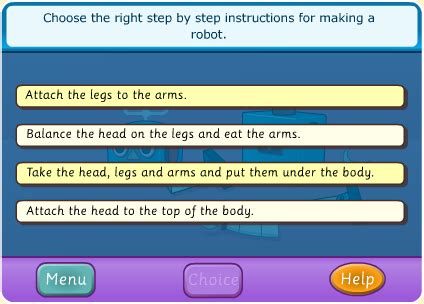
The first five hours are all about establishing fundamental understanding. A top-tier guide identifies and prioritizes the absolute core mechanics a player must grasp: movement, basic combat, inventory management, or initial quest acceptance. It then outlines realistic, achievable goals for this period, such as completing the tutorial, reaching the first hub area, or acquiring essential starter gear. This structured approach prevents aimless wandering and gives the newbie a clear sense of progression and accomplishment.
Spoiler-Free Guidance and Encouragement for Discovery
While providing direction, an excellent guide respects the player’s desire for discovery. It meticulously avoids spoilers for story elements or major late-game twists. The focus remains on how to play and what foundational skills to develop, rather than revealing what will happen. It empowers players to explore within safe boundaries, offering tips on observation and experimentation without dictating every move, fostering genuine engagement rather than passive obedience.
Building Confidence and Minimizing Frustration
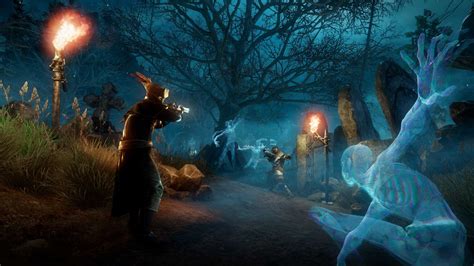
A primary goal of any beginner guide should be to reduce the steep learning curve and build player confidence. This means acknowledging common newbie struggles and offering empathetic solutions. The guide should anticipate potential points of frustration—such as difficult early enemies or confusing UI elements—and provide clear, simple strategies to overcome them. By framing challenges as opportunities to learn and celebrating small victories, it transforms potential quitting points into moments of empowerment.
Leveraging Visual Aids and Simple Language
Text-heavy guides can be intimidating. Top-tier ‘first 5 hours’ guides incorporate visual aids like annotated screenshots, clear UI highlights, or simple flowcharts. These visuals complement the text, making complex information easier to digest at a glance. Furthermore, the language used must be jargon-free and straightforward. If game-specific terminology is necessary, it should be immediately defined and explained in layman’s terms, ensuring accessibility for all new players regardless of their prior gaming experience.

Explaining the “Why” Behind Actions
Instead of merely dictating actions, an effective guide often explains the underlying reasoning. For example, rather than just saying “equip the sword,” it might explain, “Equip the sword because it offers higher damage than your starting dagger against early enemies, making combat easier.” Understanding the ‘why’ helps new players develop critical thinking skills within the game’s systems, enabling them to make informed decisions beyond the guide’s direct instructions and fostering long-term engagement.

Addressing Common Pitfalls and Offering Troubleshooting
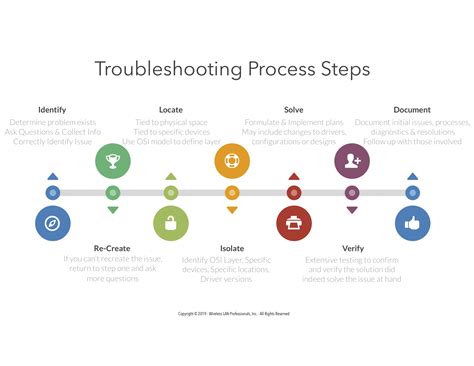
Even with clear instructions, new players will make mistakes. A truly comprehensive guide anticipates these common pitfalls. It might include sections like “Common First-Hour Mistakes to Avoid” or “What to Do If You Get Stuck.” This proactive approach provides immediate solutions to typical problems, preventing players from feeling lost or abandoning the game due to an early, easily fixable error. It’s about providing a safety net in those vulnerable first hours.
Conclusion
The ‘first 5 hours’ of a game are pivotal in determining whether a new player will continue their journey or abandon it. A top-tier guide for this critical period isn’t just an instruction manual; it’s an experience enhancer. By focusing on clarity, actionable steps, core mechanics, confidence-building, and smart use of visuals, such guides transform the initial learning curve into an enjoyable and empowering introduction, setting the stage for countless hours of future gameplay.