What F2P gacha mechanics signal predatory design for new players?
Understanding the Gacha Hook for New Players
Free-to-Play (F2P) gacha games have become a dominant force in the mobile gaming landscape, drawing in millions with their accessible entry points and polished experiences. For new players, the initial moments can feel incredibly generous: a flood of free in-game currency, easy character unlocks, and rapid progression. This ‘honeymoon phase’ is meticulously designed to hook players, creating a sense of enjoyment and investment. However, beneath this veneer of generosity lie sophisticated monetization strategies that, while not inherently evil, can quickly veer into predatory territory, especially for those unfamiliar with their subtle cues.

The Illusion of Abundance and Early Progression Traps
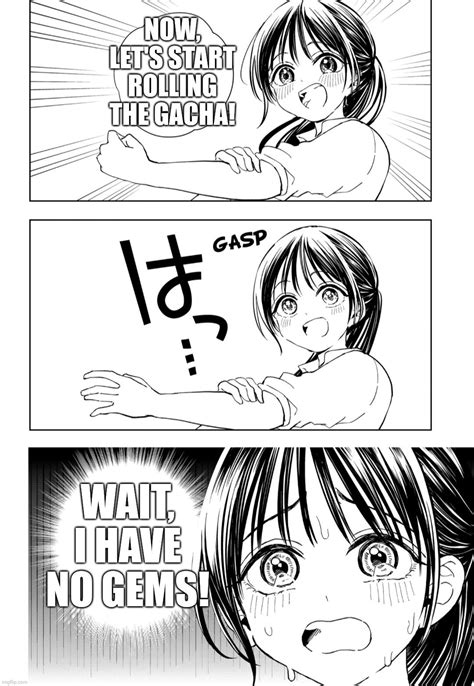
Many gacha games start by showering new players with premium currency, allowing them to perform numerous ‘gacha pulls’ (rolls for random characters or items) and experience the thrill of obtaining powerful units early on. This creates an illusion of abundance, making players believe that continued progression and acquisition of top-tier content will be straightforward. However, this generosity soon tapers off. The rate at which free currency is earned dramatically slows, and the difficulty of content increases, creating a natural bottleneck that pushes players towards spending real money to maintain their initial pace of progression. New players, accustomed to quick wins, might not recognize this shift as a deliberate design choice.
Scarcity, FOMO, and Limited-Time Banners
Perhaps the most potent predatory mechanic is the combination of artificial scarcity and Fear Of Missing Out (FOMO). Gacha games thrive on releasing powerful or highly desirable characters and items through ‘limited-time banners.’ These banners are available only for a short period, often a week or two, creating intense urgency. New players, seeing veteran players or content creators hype these units, feel immense pressure to acquire them before they’re gone, potentially for good. This system bypasses rational decision-making, exploiting emotional impulses rather than offering true value. The desire for ‘exclusivity’ and the fear of being left behind become powerful motivators for spending.

The Pity System: A Double-Edged Sword
To mitigate the pure randomness of gacha pulls, many games implement ‘pity systems.’ A pity system guarantees a rare item or character after a certain number of failed attempts. While seemingly player-friendly, offering a safety net, it’s often a highly effective monetization tool. For new players, reaching a high pity count (e.g., 80-90 pulls without the desired item) can feel like being ‘so close’ to a guaranteed win. This psychological trap encourages players to spend money to reach the pity threshold, rather than cutting their losses. It turns randomness into a predictable, albeit expensive, path to acquisition, exploiting the sunk cost fallacy.
Power Creep and the Endless Grind
Another classic predatory design involves ‘power creep.’ This refers to the gradual (or sometimes rapid) introduction of new characters or units that are significantly more powerful than existing ones. For new players, this means that the powerful units they pulled early on might quickly become obsolete, forcing them into a constant chase for the ‘meta.’ To remain competitive or to clear new, harder content, players are compelled to keep pulling for the latest and greatest. This creates an endless grind and an expectation of continuous spending, transforming what should be a fun game into a high-stakes, perpetual investment, often making new players feel their initial efforts were wasted.
Resource Scarcity and Pay-to-Progress Walls
Beyond new characters, F2P gacha games often implement various in-game resources needed for character progression (e.g., experience materials, ascension items, skill books). While initially plentiful, these resources quickly become scarce as players advance. The natural progression rate slows dramatically, creating ‘pay-to-progress’ walls where the most efficient way to overcome the bottleneck is to purchase resource bundles or refill daily limits using premium currency. This method leverages impatience, particularly for new players eager to maximize their shiny new characters, pushing them towards microtransactions not just for pulls, but for the very ability to use what they’ve already acquired.
Conclusion: Navigating the Gacha Landscape
For new players, recognizing these predatory design signals is crucial to enjoying F2P gacha games responsibly. The initial generosity, the fear of missing out on limited banners, the psychological pull of pity systems, the constant power creep, and the artificial scarcity of resources are all part of a sophisticated ecosystem designed to encourage spending. By understanding these mechanics, new players can make informed decisions, set personal spending limits, and resist the pressure to constantly chase the ‘next big thing,’ ensuring their gaming experience remains fun and sustainable rather than exploitative.