What essential “first steps” should all game beginner guides cover for new players?

For many, the first hours with a new game can be either an exhilarating dive into a new world or a frustrating struggle with unintuitive systems. A truly effective beginner guide doesn’t just list controls; it acts as a friendly mentor, easing new players into the experience. But what are those absolute ‘must-have’ first steps that every guide should cover?
Understanding the Core Gameplay Loop
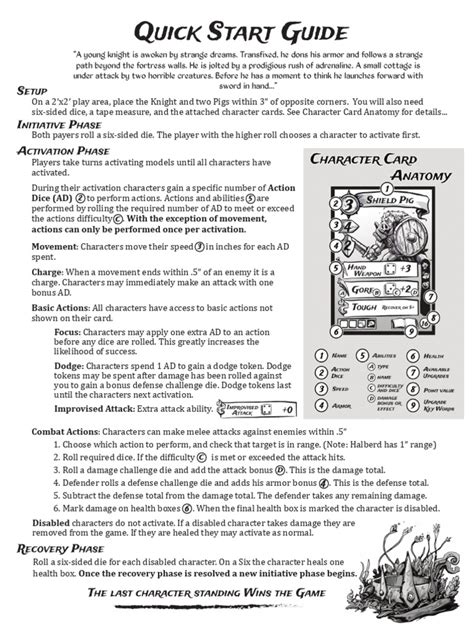
The very first thing any new player needs to grasp is how to simply play the game. This begins with basic movement (walking, running, jumping, flying, driving) and camera control. Beyond locomotion, guides must clearly explain the fundamental interaction mechanics: how to pick up items, talk to NPCs, attack enemies, use a special ability, or activate an object. Without these core inputs, players are stuck before they’ve even begun. A good guide demystifies the controls, often recommending a quick, low-stakes practice area.
Navigating the User Interface (UI)
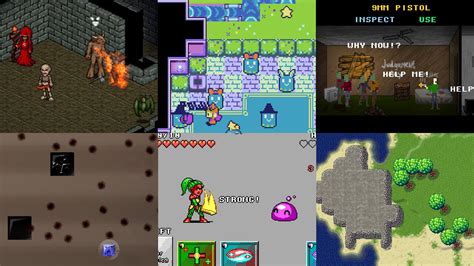
Modern games often feature complex user interfaces with a wealth of information. A beginner guide should dedicate a section to breaking down the HUD (Heads-Up Display). Explain what the health bar, mana/stamina bar, minimap, objective tracker, and status effects indicators mean. Crucially, it must also detail how to access and navigate menus: inventory, character sheet, quest log, map, and options. Players need to know where to find their items, track their progress, and understand their character’s status.

Your First Objective: Getting Started
After understanding how to move and interact, players need direction. A guide should clearly outline the immediate first objective. Is it to complete a tutorial quest? Talk to a specific NPC? Reach a certain location? Gather initial resources? Providing this initial goal helps players feel a sense of purpose and progression, rather than being dropped into an open world with no idea what to do. This often involves a ‘breadcrumb’ trail, leading them from one small task to the next.

Customizing Your Experience
Every player is different, and a good guide acknowledges this by highlighting essential settings and customization options. This includes advising on graphics settings for optimal performance, remapping controls to personal preference (especially crucial for PC games), and adjusting sound levels. Accessibility options, such as colorblind modes, subtitle settings, or difficulty adjustments, should also be pointed out. Empowering players to tailor the game to their needs improves their overall enjoyment and reduces frustration.
Beyond the Basics: Safety and Resources
Finally, a beginner guide should cover vital practical information. How and when to save the game (if applicable) is paramount. It should also offer advice on basic survival: avoiding common early-game dangers, understanding death penalties, or recognizing safe zones. For multiplayer games, a quick primer on communication and basic etiquette can be invaluable. Lastly, point players towards official resources, community forums, or in-game help systems where they can find further assistance once they’ve mastered the initial steps.

By covering these essential ‘first steps,’ beginner guides transform a potentially overwhelming experience into an inviting adventure. They lay a solid foundation, allowing new players to confidently explore, learn, and ultimately fall in love with the game.