What essential advice should every game’s ‘beginner guide’ provide for first-time players?
For many games, the initial hours are the most critical. A well-crafted beginner guide doesn’t just teach mechanics; it welcomes, empowers, and inspires new players to delve deeper. Without clear, concise, and encouraging advice, many first-timers might feel overwhelmed and abandon the game before truly experiencing its potential. So, what truly essential advice should every game’s ‘beginner guide’ provide?
Foundational Knowledge: Setting the Stage
The very first interaction sets the tone. New players need a gentle introduction to the game’s world and their place within it.
Understanding the Core Objective and World
Before diving into button presses, a beginner guide should provide a high-level overview of what the player is trying to achieve. Is it to save the world, build an empire, or simply explore? Briefly explain the premise, the player’s role, and the overarching goal. This context helps new players connect with the game’s narrative and purpose from the outset.
Master the Controls and User Interface (UI)
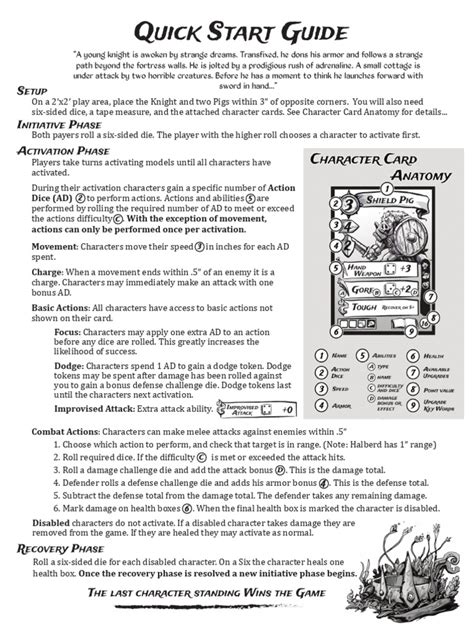
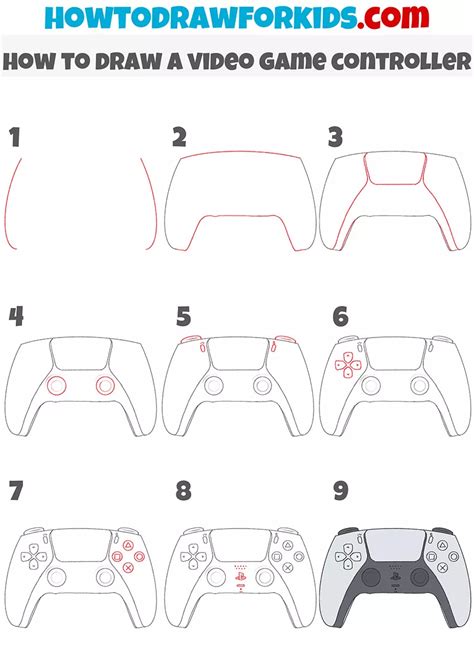
This is non-negotiable. Clearly explain every essential control – movement, interaction, combat, and menu navigation. Use visual aids or interactive prompts if possible. Equally important is a breakdown of the User Interface: what do all those icons and numbers mean? Highlight the health bar, mini-map, inventory slots, and any core meters. Knowing ‘how’ to play and ‘where’ to look for information is fundamental.
Early Progression & Resource Management
Once players understand the basics, they need guidance on what to do next and how to manage their early resources effectively.
Prioritizing Early Tasks and Quests
New players often face a deluge of information. The guide should cut through the noise by outlining the absolute first few steps. What quests should they prioritize? What’s the recommended order of progression for the initial stages? This creates a clear, achievable path forward, preventing decision paralysis.
Basic Resource and Economy Principles
If the game involves resources, currency, or an economy, explain the basics. What are the most important early resources? How are they acquired and used? Is there a crafting system, a vendor, or an upgrade path they should be aware of? Provide simple tips on what to save, what to spend, and what to ignore in the very beginning.

Navigating Challenges & Seeking Help
Every game has its learning curve. A good guide prepares players for obstacles and shows them where to find assistance.
Avoiding Common Pitfalls and Early Mistakes
Forewarned is forearmed. A beginner guide should gently warn players about common mistakes that might lead to frustration or unnecessary setbacks. This could include advising against selling crucial items, rushing into high-level areas, or neglecting core abilities. A little heads-up can save hours of frustration.
Utilizing In-Game Help and Community Resources
No guide can cover everything. Point players towards the game’s built-in help features (codex, tutorial logs, quest markers), and if applicable, external community resources like official forums, wikis, or Discord servers. Empowering players to find answers themselves fosters independence and engagement.

The Mindset of a New Player
Beyond mechanics, a great beginner guide also addresses the psychological aspects of learning a new game.
Embracing Experimentation and Failure
Encourage players not to be afraid of trying new things or making mistakes. Frame failure as a learning opportunity rather than a punishment. Remind them that most games are designed for experimentation and discovery.
Setting Realistic Expectations and Enjoying the Journey
The guide should reassure players that they won’t master everything instantly. It’s a journey, not a sprint. Encourage them to take their time, explore, and most importantly, have fun. Remind them that the goal is enjoyment, and proficiency will come with practice.
Ultimately, an essential beginner guide is more than just an instruction manual. It’s a mentor, a welcoming hand, and a cheerleader for the new player. By focusing on foundational knowledge, early progression, problem-solving, and a positive mindset, games can significantly improve player retention and ensure that first-timers become long-term fans.