What ESRB ratings mean & how to pick age-appropriate games for my child?

In today’s digital landscape, video games are a significant part of many children’s lives. While they offer numerous benefits, from problem-solving to social interaction, navigating the vast world of gaming content can feel overwhelming for parents. This is where the Entertainment Software Rating Board (ESRB) comes in, providing a crucial tool to help families make informed choices. Understanding ESRB ratings is the first step towards ensuring your child engages with content that is suitable for their age and maturity level.
Understanding ESRB Ratings: Your First Line of Defense
The ESRB is a self-regulatory organization that assigns age and content ratings to video games and apps in the United States and Canada. Established in 1994, its primary goal is to help consumers, especially parents, determine whether a game’s content is appropriate for their children. The rating system consists of two key components: Rating Categories and Content Descriptors. Together, these provide a snapshot of what to expect from a game before it’s even played.
It’s important to remember that ESRB ratings are designed to be a guide, not a strict rulebook. They reflect a consensus among a diverse group of raters who evaluate game content from a parental perspective. By understanding this system, parents can go beyond simply looking at an age recommendation and gain insights into specific elements that might be of concern.

ESRB Rating Categories Demystified
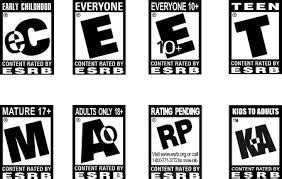
Each game receives one of six primary rating categories, indicating the suggested age range for players. These categories are prominently displayed on game packaging, digital storefronts, and in game advertisements:
- EC (Early Childhood): Generally suitable for ages 3 and up. Contains no objectionable material and is appropriate for young children.
- E (Everyone): Suitable for ages 6 and up. May contain minimal cartoon, fantasy or mild violence and/or infrequent mild language.
- E10+ (Everyone 10+): Suitable for ages 10 and up. May contain more animated, fantasy or mild violence, mild language, and/or minimal suggestive themes.
- T (Teen): Suitable for ages 13 and up. May contain violence, suggestive themes, crude humor, minimal blood, simulated gambling and/or infrequent use of strong language.
- M (Mature): Suitable for ages 17 and up. May contain intense violence, blood and gore, sexual content and/or strong language.
- AO (Adults Only 18+): Content suitable only for adults 18 and up. May include prolonged scenes of intense violence, graphic sexual content and/or gambling with real currency. These games are very rare.
These categories provide a quick reference point, but for a deeper understanding, parents should also look at the accompanying content descriptors.
Content Descriptors: What’s Really Inside?
Content Descriptors are concise phrases that explain why a game received its particular rating. They appear alongside the rating category and list specific elements present in the game that might influence a parent’s decision. Examples include:
- Blood: Depictions of blood.
- Fantasy Violence: Violent actions involving fantasy characters in a fantasy setting; may be unrealistic and non-graphic.
- Mild Language: Infrequent use of mild expletives or profanity.
- Suggestive Themes: Mildly provocative references or materials.
- Use of Alcohol/Tobacco: Depictions of alcohol or tobacco consumption.
- Violence: Scenes involving physical conflict; depictions of injury or death.
- In-Game Purchases: Alerts consumers to games that offer the ability to purchase digital goods or premiums with real-world money.
By reviewing both the rating category and the content descriptors, parents can get a comprehensive understanding of a game’s thematic and interactive elements. For instance, an ‘E10+’ game with ‘Fantasy Violence’ will likely differ significantly from an ‘E10+’ game with ‘Mild Language’ in terms of its overall tone and suitability for a specific child.
Beyond the Rating: Holistic Game Selection Strategies
While ESRB ratings are an invaluable tool, they are just one piece of the puzzle. To truly pick age-appropriate games, consider these additional strategies:
- Do Your Research: Beyond the ESRB label, watch gameplay trailers, read reviews from reputable gaming sites, and check out parent forums. Sites like Common Sense Media also offer detailed parent and kid reviews.
- Know Your Child: Every child is different. A game rated ‘E10+’ might be fine for one 9-year-old but too intense for another. Consider your child’s maturity level, sensitivities, and interests.
- Play Together or Watch Them Play: The best way to understand a game is to experience it. Play alongside your child, or at least sit and observe their gameplay. This also opens up opportunities for discussion.
- Consider Online Interactions: Many games today have online multiplayer components. Even if the game content is appropriate, interactions with other players online might not be. Discuss online etiquette and safety with your child.

Leveraging Parental Controls and Open Communication
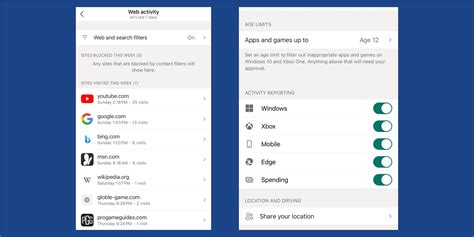
Most modern gaming consoles, PCs, and mobile devices offer robust parental control features. These allow you to:
- Set time limits for gameplay.
- Restrict access to games based on their ESRB rating.
- Control online communication features.
- Manage in-game purchases.
Learning how to set up and use these controls is crucial for creating a safe gaming environment. Equally important is fostering open communication with your child. Talk about their favorite games, ask them about the content, and discuss any concerns you might have. Empowering them to come to you with questions or uncomfortable experiences is more effective in the long run than strict prohibitions alone.
Conclusion: Empowering Parents in the Digital Age
Navigating the world of video games can seem daunting, but with the ESRB rating system and a proactive approach, parents can confidently make choices that are best for their children. By understanding the categories and descriptors, doing a little extra research, engaging with your child’s gaming habits, and utilizing parental controls, you can ensure that gaming remains a positive, enriching, and age-appropriate experience for the whole family. The goal isn’t to ban games, but to guide and educate, helping your child develop responsible digital habits that will serve them well into the future.