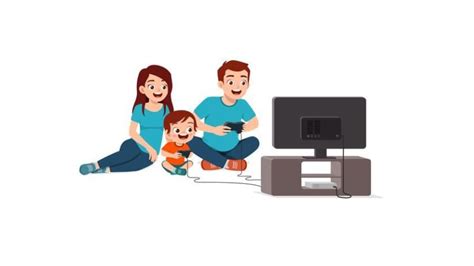
What are practical ways to balance gaming with schoolwork?

Understanding the Gaming-Schoolwork Dynamic
In today’s digital age, video games are an integral part of many children’s lives, offering entertainment, social connection, and even skill development. However, the allure of gaming can often overshadow academic responsibilities, leading to conflicts, stress, and declining school performance. For parents, navigating this landscape requires a delicate balance of understanding, clear boundaries, and practical strategies. The goal isn’t to eliminate gaming but to integrate it healthily within a child’s overall schedule, ensuring academic success remains a priority.

Establish Clear Expectations and Rules
The first step towards achieving balance is to set explicit expectations and boundaries regarding gaming time. Involve your child in this conversation to foster a sense of ownership and understanding. Clearly define when gaming is permissible and, more importantly, when it is not. A common rule is “schoolwork first” – meaning all homework and studying must be completed satisfactorily before any gaming begins. Be specific about daily time limits for gaming, especially on weekdays, and consider slightly more flexibility on weekends, provided academic tasks are handled.
- Define Screen Time Limits: Work together to decide on reasonable daily and weekly gaming allowances.
- “Schoolwork First” Policy: Ensure academic tasks are completed and reviewed before leisure gaming.
- Designate Tech-Free Zones/Times: Implement rules like no gaming during meals or in bedrooms after a certain hour.
Create a Structured Schedule
A visual schedule can be an incredibly powerful tool. Help your child create a daily or weekly planner that allocates specific blocks for schoolwork, extracurricular activities, family time, and gaming. This not only helps them visualize their responsibilities but also teaches valuable time management skills. Encourage them to stick to the schedule, but also allow for flexibility when necessary. The key is consistency and predictability.

When structuring the schedule, remember to:
- Integrate Study Blocks: Schedule dedicated time for homework and studying, making it non-negotiable.
- Allocate Gaming Blocks: Treat gaming time as a scheduled activity, not an open-ended one.
- Include Breaks and Physical Activity: Ensure there are regular breaks from screens and opportunities for physical play.
Foster Open Communication and Self-Regulation
Effective communication is paramount. Regularly discuss their academic progress, their gaming experiences, and any challenges they might be facing. Instead of imposing rules, try to explain the ‘why’ behind them, fostering understanding rather than resentment. Empower your child to develop self-regulation by giving them some control within the established boundaries. For instance, let them choose which half-hour gaming slot they prefer, rather than dictating it entirely.
Teach them about the importance of balance and the negative impacts of excessive gaming on sleep, focus, and academic performance. Gradually, they will learn to manage their time more independently.
Monitor Progress and Lead by Example
Periodically review the effectiveness of your strategies. Are the rules working? Is your child’s academic performance stable or improving? Be prepared to adjust the schedule or rules as your child grows and their needs change. More importantly, parents should model healthy technology habits themselves. If you spend all your free time on screens, it’s harder to preach moderation to your children.

Engage in non-screen activities together as a family – board games, outdoor adventures, reading – to show that there’s a rich world beyond digital entertainment. Celebrate their successes in both academics and responsible gaming, reinforcing positive behaviors.
Conclusion: A Supportive and Balanced Approach
Balancing gaming with schoolwork is an ongoing process that requires patience, consistency, and a supportive approach from parents. By setting clear expectations, implementing structured routines, fostering open communication, and leading by example, you can help your child develop the essential life skills needed to thrive academically while still enjoying their passion for gaming in a healthy, controlled manner. Remember, the ultimate goal is not just to manage screen time, but to teach responsible digital citizenship and promote overall well-being.