What are practical tips for choosing age-appropriate video games for my child?

Navigating the Digital Playground: Why Age-Appropriate Gaming Matters
In today’s digital age, video games are an integral part of many children’s lives. While they can offer immense benefits – from developing problem-solving skills and creativity to fostering social connections – the sheer volume and variety of games available can be overwhelming for parents. Choosing games that align with a child’s age and developmental stage is crucial for ensuring a positive and enriching experience, protecting them from potentially harmful content, and promoting healthy screen time habits.
This guide offers practical tips to help parents confidently select video games that are not just fun, but also suitable and beneficial for their child.
Understanding Game Rating Systems
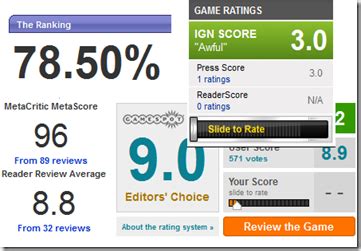
The first line of defense in choosing appropriate games is understanding the various rating systems designed to guide consumers. These systems provide a quick overview of a game’s content and recommended age range.
- ESRB (Entertainment Software Rating Board) in North America: This system uses age categories (e.g., E for Everyone, E10+ for Everyone 10+, T for Teen, M for Mature) along with content descriptors (e.g., Fantasy Violence, Mild Language, Alcohol Reference). Always check both the rating letter and the specific descriptors.
- PEGI (Pan European Game Information) in Europe: Similar to ESRB, PEGI uses age labels (3, 7, 12, 16, 18) and content descriptors (Violence, Bad Language, Fear, Sex, Drugs, Gambling, Discrimination, In-Game Purchases).
- CERO (Computer Entertainment Rating Organization) in Japan: Another regional system with its own age categories and content indicators.
These ratings are a valuable starting point, but remember they are guidelines. An ‘E10+’ game might still contain elements that a particularly sensitive 10-year-old finds distressing, or a 12-year-old might be perfectly capable of handling some ‘Teen’ content.
Beyond the Ratings: Know Your Child
While rating systems provide a universal framework, your child’s individual maturity level, temperament, and sensitivities are equally important factors to consider. What one child finds exciting, another might find frightening or inappropriate.
- Assess Maturity and Temperament: Does your child get easily scared? Are they prone to aggressive behavior after playing certain games? Some children can process complex themes or cartoon violence better than others.
- Consider Sensitivities: If your child is sensitive to loud noises, sudden scares, or specific types of imagery, even a low-rated game could be problematic. Likewise, themes like bullying or intense competition might not be suitable for all children.
- Observe Interests: What genres does your child naturally gravitate towards? Do they prefer creative building games, puzzles, sports, or narrative adventures? Aligning with their interests increases engagement and enjoyment.
Practical Steps for Informed Choices
Making informed decisions about video games involves a bit of active parenting. Here are some actionable tips:
1. Research Before You Buy/Download
Don’t just rely on the cover art or a friend’s recommendation. Take a few minutes to research the game:
- Watch Gameplay Videos: YouTube and Twitch are excellent resources. Watching a few minutes of actual gameplay can give you a much clearer picture of the game’s pace, themes, and overall feel than just reading descriptions.
- Read Reviews: Look for reviews from reputable gaming sites, but also check out parent reviews. These often focus specifically on age appropriateness and content concerns.
- Check the Publisher’s Website: Most game publishers provide detailed information about their games, including content warnings.

2. Play Together or Observe
The best way to know if a game is right for your child is to experience it with them. Playing together also offers a fantastic opportunity for bonding and understanding their digital world.
- Co-op Gaming: Many games offer multiplayer or cooperative modes. This allows you to experience the game firsthand and discuss any challenging content as it arises.
- Observe Their Reactions: If you can’t play with them, sit nearby and observe. Are they enjoying it? Are they frustrated? Are they exhibiting any concerning reactions to the game’s content?
3. Set Clear Boundaries and Expectations
Choosing the right game is just one part of the equation. Establishing healthy gaming habits is equally important.
- Screen Time Limits: Establish clear rules about how much time can be spent gaming each day or week.
- Game Type Limits: Be clear about the types of games that are off-limits and explain why.
- Designated Gaming Areas: Keep gaming in common areas of the house so you can easily monitor content and engagement.

4. Discuss and Debrief
After your child plays a game, especially one with more mature themes, engage in conversation.
- Ask Open-Ended Questions: “What was your favorite part of the game?” “Did anything in the game make you feel uncomfortable?” “What did you learn?”
- Address Concerns: Use opportunities to discuss difficult themes, differentiate between fantasy and reality, and reinforce your family’s values.

Consider Educational and Developmental Value
Beyond simply avoiding harm, look for games that can actively contribute to your child’s development:
- Problem-Solving: Puzzle games, strategy games.
- Creativity: Building games (e.g., Minecraft), art-focused games.
- Social Skills: Cooperative multiplayer games that require teamwork and communication.
- Learning: Games that teach history, science, coding, or language.
Conclusion
Choosing age-appropriate video games for your child is an ongoing process that combines understanding official ratings with knowing your child’s unique needs and engaging actively in their digital life. By researching games, playing alongside them, setting clear boundaries, and fostering open communication, you can help your child enjoy the many benefits of gaming in a safe, healthy, and enriching way. Remember, your involvement is the most powerful tool in shaping a positive gaming experience for your child.