What are key indicators of quality indie hidden gems before buying?

In the vast ocean of video games released daily, independent titles often shine brightest with their innovation and unique visions. However, sifting through countless options to find those truly special ‘hidden gems’ can be daunting. Before you commit your hard-earned cash, knowing what to look for can significantly improve your chances of discovering a quality indie game that truly resonates.
Scrutinizing the Store Page and Trailer
The first impression is often the most telling. A well-crafted store page on platforms like Steam, Itch.io, or GOG is a strong indicator of a developer’s professionalism and care. Look for high-resolution screenshots that accurately represent the gameplay, not just cinematic moments. The game description should be clear, concise, and effectively communicate the core mechanics and premise without relying on excessive hype. Most importantly, watch the gameplay trailer. Does it show actual gameplay? Is it edited cleanly? Does it clearly convey what you’ll be doing in the game?
Developer Transparency and Communication
Quality indie developers often maintain an open line of communication with their potential and existing players. Check for active social media channels (Twitter, Discord, Reddit), developer blogs, or “dev update” sections on their store page. Do they regularly post updates on development progress, answer questions, and engage with their community? A consistent, transparent developer who is passionate about their project is a significant green flag. Their past projects, if any, can also offer insights into their track record and reliability.

The Power of Demos and Early Access
There’s no better way to gauge a game’s quality than by playing it yourself. Many indie developers offer free demos that provide a slice of the gameplay experience. If a demo is available, take advantage of it! Assess the controls, performance, and overall feel. For games in Early Access, investigate the developer’s roadmap and the frequency of updates. Are they actively working on the game, addressing bugs, and implementing new features? A well-managed Early Access title shows commitment to improvement.
Community Feedback and Reviews
While not foolproof, player reviews can offer valuable perspectives. Read a variety of reviews, both positive and negative, looking for recurring themes. Are players consistently praising the unique mechanics or complaining about persistent bugs? Pay attention to “Most Helpful” or “Recent” reviews. Be wary of games with an overwhelming number of generic positive reviews or obvious review bombing. Additionally, if the game has been covered by smaller, reputable indie game critics or streamers, their insights can be very useful.

Unique Art Style and Sound Design
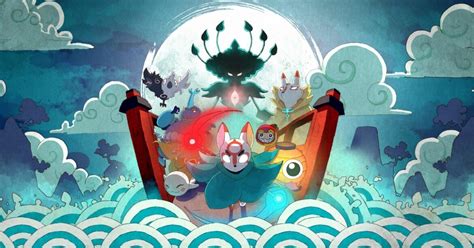
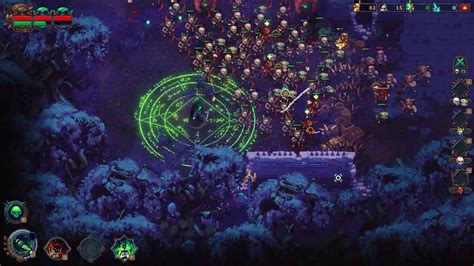
Indie games often distinguish themselves through unique aesthetic choices. While graphical fidelity isn’t always paramount, a cohesive and intentional art style is. Does the visual design complement the game’s themes and gameplay? Similarly, sound design plays a crucial role in immersion. Are the sound effects impactful? Is the music atmospheric and fitting? Even simple pixel art or minimalist styles can be incredibly effective when executed with vision and polish. A strong aesthetic identity often indicates a clear creative vision behind the project.
Finding that perfect indie hidden gem requires a bit of detective work, but the payoff of discovering a truly special experience is immensely rewarding. By diligently checking store pages, engaging with developer communities, trying out demos, and carefully analyzing player feedback, you can significantly improve your chances of unearthing your next favorite game. Happy hunting!