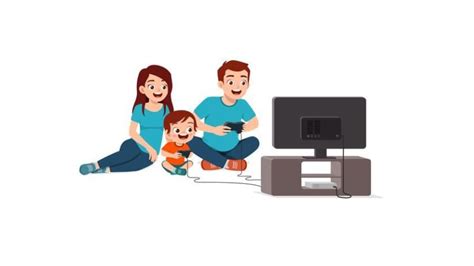
What are effective ways to manage gaming screen time & encourage breaks?

In today’s digital age, video games are an integral part of many children’s lives, offering entertainment, social interaction, and even educational benefits. However, managing gaming screen time and ensuring kids take necessary breaks can be a significant challenge for parents. Striking the right balance is crucial for a child’s physical health, mental well-being, and academic performance. This guide explores effective strategies to help parents navigate this common dilemma.
Set Clear Expectations and Establish Family Rules
The foundation of effective screen time management lies in clear communication and consistent rules. Before you even turn on the console or PC, have an open discussion with your child about gaming limits. Involve them in the process of setting rules, which can increase their buy-in and compliance.
- Define Time Limits: Work together to establish daily or weekly gaming time limits. Use a timer or a pre-agreed-upon signal for when playtime is over.
- Create a Schedule: Integrate gaming into the daily routine alongside homework, chores, outdoor play, and family time. A visual schedule can be very helpful for younger children.
- Consequence and Reward System: Clearly outline the consequences for not adhering to the rules (e.g., losing gaming privileges) and rewards for consistent compliance.
- Game-Free Zones/Times: Designate certain times (e.g., during meals, an hour before bedtime) or areas (e.g., bedrooms after a certain hour) as completely game-free.
Utilize Technology and Parental Control Tools
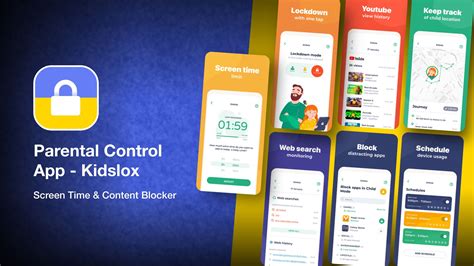
Many gaming platforms, devices, and internet routers offer built-in parental controls that can be incredibly useful in enforcing screen time limits and encouraging breaks automatically.
- Console/Device Settings: Learn how to use the parental control features on Xbox, PlayStation, Nintendo Switch, PCs, and mobile devices to set play limits, schedule downtime, and restrict content.
- Router Controls: Some home routers allow you to schedule internet access for specific devices, cutting off gaming access at pre-set times.
- Third-Party Apps: Explore dedicated screen time management apps that offer more granular control, tracking, and reporting features across multiple devices.
- Timers and Alarms: Use a simple kitchen timer, phone alarm, or smart speaker to signal the beginning of a break or the end of a gaming session.
Encourage Alternative Activities and Hobbies
Gaming often becomes the default activity when children have nothing else planned. Providing appealing alternatives can naturally reduce their desire to spend all their free time in front of a screen.
- Outdoor Play: Encourage physical activity like riding bikes, playing sports, or simply exploring the neighborhood.
- Creative Pursuits: Introduce them to drawing, painting, building models, playing musical instruments, or writing stories.
- Reading: Make reading a fun and regular part of their day. Visit the library together and let them choose books that genuinely interest them.
- Board Games and Puzzles: Engage in traditional, unplugged games that offer social interaction and cognitive challenges.
- Family Outings: Plan regular trips to parks, museums, nature centers, or local events.

Lead by Example and Engage with Their World
Children learn best by observing their parents. Your own screen habits significantly influence theirs. Moreover, showing interest in their gaming can bridge gaps and create opportunities for connection.
- Model Healthy Screen Habits: Be mindful of your own phone, TV, and computer use. Put devices away during family meals and conversations.
- Play Together: Occasionally join your child in their favorite games. This gives you insight into what they enjoy and can be a fun way to bond.
- Talk About Games: Ask them about their games, who they play with, and what they like about them. Show genuine interest without being judgmental.
- Plan Device-Free Family Time: Schedule regular activities where everyone puts their devices away, fostering real-world interaction and conversation.

Make Breaks Fun and Mandatory
Breaks aren’t just about stepping away from the screen; they’re about engaging in other beneficial activities. Consistent, mandatory breaks are essential for eye health, physical activity, and mental rejuvenation.
- The 20-20-20 Rule: Encourage taking a 20-second break every 20 minutes to look at something 20 feet away to reduce eye strain.
- Active Breaks: Suggest quick physical activities like stretching, getting a drink of water, doing a few jumping jacks, or running around the yard for 5-10 minutes.
- Snack/Hydration Breaks: Use breaks as an opportunity for healthy snacks and proper hydration.
- Mindful Breaks: Sometimes, a quiet break for drawing, listening to music, or just daydreaming can be beneficial.

Conclusion
Managing gaming screen time and encouraging breaks is an ongoing process that requires patience, consistency, and flexibility. By setting clear boundaries, leveraging technology, offering engaging alternatives, leading by example, and making breaks a positive part of the routine, parents can help their children develop healthy digital habits that contribute to their overall well-being. Remember, the goal isn’t to eliminate gaming but to integrate it into a balanced and fulfilling lifestyle.