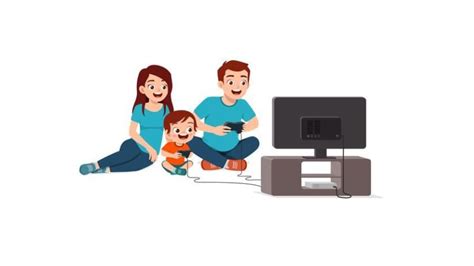
What age-appropriate games foster family fun & learning?

In today’s fast-paced world, finding meaningful ways to connect as a family can be a challenge. Enter the humble game night! Beyond mere entertainment, carefully chosen age-appropriate games offer a fantastic platform for shared laughter, skill development, and creating lasting memories. From boosting cognitive abilities to enhancing social emotional learning, the right game can be a powerful tool in your parenting arsenal.
Toddlers & Preschoolers (Ages 2-5): Simple Joys, Big Learning
For the youngest members of the family, games are all about sensory exploration, basic concept learning, and developing foundational motor skills. Think bright colors, simple rules, and lots of repetition.
- Matching & Memory Games: Help with pattern recognition, memory retention, and identifying objects.
- Simple Board Games: “Candy Land” or “Chutes and Ladders” teach turn-taking, counting, and following basic instructions.
- Building Blocks & Puzzles: Foster fine motor skills, spatial reasoning, and problem-solving.
The goal here isn’t winning, but participation and discovery. Celebrate every small achievement, from identifying a color to successfully placing a puzzle piece.
Early Elementary (Ages 6-9): Strategy Sprouts & Social Skills
As children grow, their capacity for understanding rules, developing strategies, and engaging in cooperative play expands. Games for this age group can subtly introduce academic concepts and vital social skills.
- Card Games: “Uno” or “Go Fish” improve number recognition, basic strategy, and patience.
- Cooperative Games: Games like “Outfoxed!” encourage teamwork and shared problem-solving without the pressure of individual competition.
- Word & Math Games: Simple word games or dice games can reinforce reading and arithmetic skills in a fun context.
This is a great age to emphasize good sportsmanship – winning graciously and losing with dignity – laying groundwork for future social interactions.

Late Elementary & Pre-Teens (Ages 10-12): Deeper Thinking, Lasting Bonds
At this stage, children are ready for more complex rules, longer playtime, and games that require critical thinking, planning, and negotiation. These games can challenge their minds and strengthen family bonds through shared intellectual pursuits.
- Strategy Board Games: “Ticket to Ride,” “Catan Junior,” or “King of Tokyo” develop strategic thinking, resource management, and decision-making.
- Trivia Games: Broaden general knowledge and test recall in a lively, competitive (or cooperative) setting.
- Role-Playing Basics: Simple entry-level RPGs can spark imagination, storytelling, and collaborative problem-solving.
These games often involve more social interaction, allowing kids to practice communication, persuasion, and understanding different perspectives.
Teenagers & Beyond: Engaging All Ages, Fostering Connection
Keeping teenagers engaged with family activities can be tough, but the right game can bridge the age gap and create a truly inclusive experience. Look for games with depth, humor, or a strong social element.
- Party Games: “Codenames,” “Concept,” or “Telestrations” encourage creativity, communication, and lots of laughter.
- Advanced Strategy Games: “Catan,” “Pandemic,” or “Splendor” offer complex strategic challenges that appeal to older players and encourage long-term planning.
- Escape Room Games (at home): Provide a collaborative puzzle-solving experience that feels like an event.
These games often lead to lively discussions and debates, providing valuable opportunities for teens to express themselves and connect with family members on an intellectual level.

Tips for a Successful Family Game Night
- Choose Together: Involve everyone in selecting a game to increase buy-in and enthusiasm.
- Set Expectations: Remind everyone that the goal is fun and connection, not just winning.
- Be Flexible: Sometimes a shorter, simpler game is better than a long, complex one, especially on a weeknight.
- Minimize Distractions: Turn off screens and focus on the game and each other.
- Snacks Are Essential: A little fuel always enhances the fun!

Integrating age-appropriate games into your family routine is more than just passing the time; it’s an investment in your children’s development and your family’s bond. From the simplest matching game to the most complex strategy challenge, each game offers unique opportunities for learning, laughter, and lasting memories. So, gather around the table, roll the dice, and let the fun and learning begin!