What actionable tips make a beginner game guide truly effective for new players?

Entering a new game, especially one with complex mechanics or a steep learning curve, can be daunting for fresh players. An effective beginner guide doesn’t just list features; it acts as a friendly mentor, easing them into the experience. But what truly makes such a guide shine?
Empathize with the Absolute Beginner
The first rule of writing for new players is to remember they know absolutely nothing about your game. Don’t assume prior knowledge of genre conventions, terminology, or even basic controls. Every piece of information, no matter how trivial it seems to a veteran, should be approached as if it’s completely new.
Prioritize Core Mechanics First
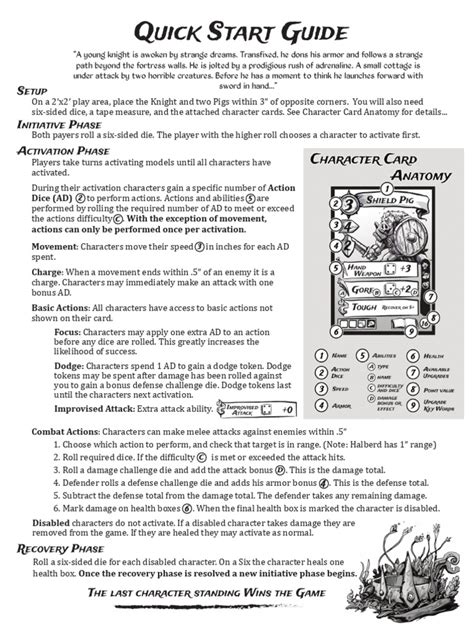
New players are easily overwhelmed. Your guide should focus on the bare essentials needed to start playing and understand the immediate goal. What do they need to know to move, interact, and complete their first objective? Avoid deep dives into advanced statistics or late-game strategies until the foundational elements are solid.
Demystify Jargon and Acronyms
Every game, especially RPGs and strategy titles, comes with its own lexicon. “Aggro,” “DPS,” “AoE,” “kiting”—these terms are second nature to veterans but alien to newcomers. Define every single piece of jargon clearly and concisely. If an alternative, simpler word exists, use it. Consider including a mini-glossary for quick reference.
Break Down Complex Systems into Actionable Steps
Instead of explaining an entire skill tree at once, break it down. Explain what one skill does, how to acquire it, and when to use it, before moving to the next. Use numbered lists for sequences of actions, and explain the ‘why’ behind each step, not just the ‘how’.
Provide Clear, Visual Examples
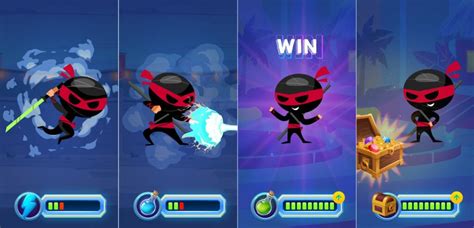
Text can only go so far. Images or screenshots, even simple ones, can clarify complex instructions immediately. Show where a particular NPC is located, what an inventory screen looks like, or the visual cue for an enemy attack. These visual anchors dramatically reduce confusion and improve comprehension.

Address Common Early-Game Pitfalls
Anticipate where new players are likely to struggle or make common mistakes. Is there a particular quest that often confuses? A resource that’s easily overlooked? Guide them through these potential hurdles, offering solutions or warnings before they encounter frustration. This builds confidence and reduces the likelihood of them quitting early.
Guide Beyond the First Hour: Early Progression
While focusing on essentials, an effective guide also subtly nudges players towards early progression goals. What should they aim for after the tutorial? Unlocking a new area, crafting their first item, or understanding the basic economy. Provide a clear, achievable path forward without overwhelming them with long-term goals.

Keep Your Guide Updated and Relevant
Games evolve. Patches bring changes to mechanics, balance, and content. An effective beginner guide is a living document. Clearly indicate what version or patch the guide pertains to, and commit to updating it as the game changes. An outdated guide can be more harmful than no guide at all.

Conclusion
Ultimately, an effective beginner game guide is a bridge built with empathy and clarity. By stripping away assumptions, prioritizing vital information, using clear language and visuals, and anticipating struggles, you empower new players to enjoy the game rather than being frustrated by it. Your goal isn’t just to inform, but to inspire confidence and foster a love for the game from the very first click.