What actionable strategies best simplify complex game mechanics for new player guides?

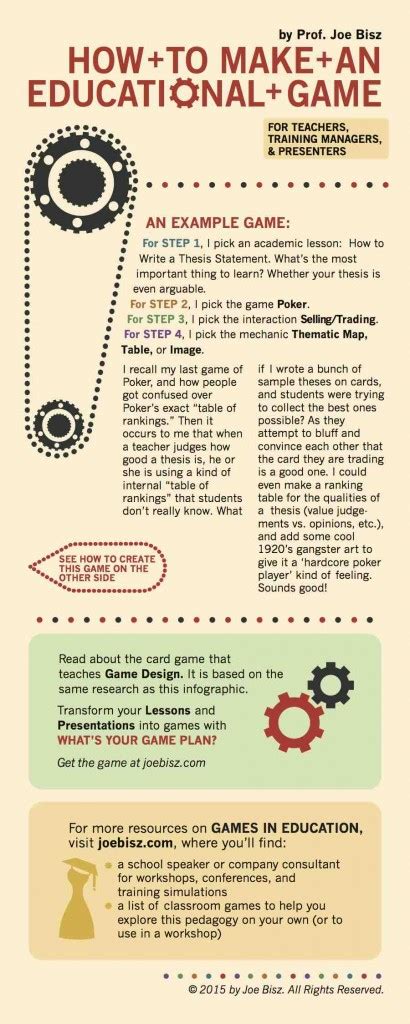
New players often face a daunting wall when encountering games with intricate systems, deep lore, or convoluted mechanics. The success of a game, especially one with a steep learning curve, often hinges on how effectively its initial guides onboard these newcomers. Crafting a guide that demystifies complexity without overwhelming is an art form. This article explores actionable strategies to transform intimidating game mechanics into digestible, engaging learning experiences for new players.
Chunking Information: The Power of Small Bites
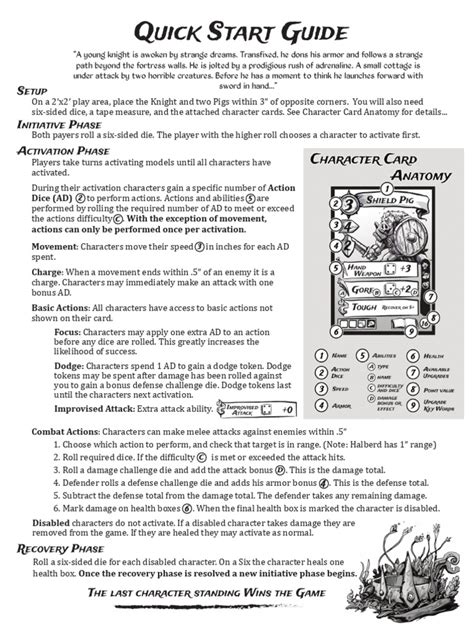
One of the most effective strategies is to break down complex mechanics into smaller, manageable chunks. Instead of presenting a massive wall of text explaining an entire combat system, divide it into discrete sections: “Basic Attacks,” “Defensive Maneuvers,” “Special Abilities,” and “Elemental Interactions.” Each section should build upon the last, allowing players to master one concept before moving to the next. This modular approach reduces cognitive load and fosters a sense of accomplishment with each learned segment.
Visual Aids: Show, Don’t Just Tell
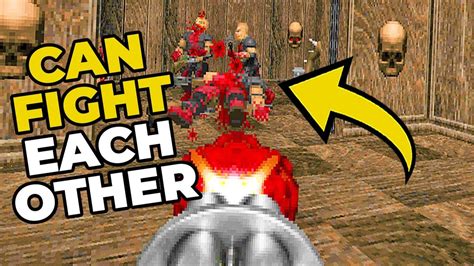
Text-heavy explanations can quickly become tedious. Incorporating visual aids is paramount. Screenshots with highlighted areas, flowcharts illustrating decision trees, simplified diagrams of skill trees, or short GIFs demonstrating specific actions can communicate information far more effectively than paragraphs of text. A picture of a character executing a “perfect parry” with on-screen cues is much clearer than a textual description of timing and input.
When designing these visuals, prioritize clarity. Avoid cluttered images and use clear annotations. Think about how a player would visually identify the mechanic in-game and replicate that in your guide.
Progressive Disclosure: Introduce Information Gradually
Not all information is crucial from the outset. Employ progressive disclosure by introducing mechanics only when they become relevant or necessary. A new player doesn’t need to understand advanced endgame crafting systems when they are still figuring out how to move. Start with the absolute essentials, such as movement, basic combat, and core objectives. As the player progresses and demonstrates readiness, introduce more nuanced systems. This prevents information overload and keeps the focus on what’s immediately important for their current stage of play.
Relatable Analogies and Scenarios: Bridging the Gap
Complex systems often become simpler when compared to something familiar. If a game has a “resource management” system, liken it to managing money in real life or supplies in a survival situation. Using analogies helps new players connect abstract game concepts to concrete, real-world experiences. Furthermore, presenting mechanics within a practical scenario—e.g., “Here’s how to survive your first boss encounter using these abilities”—makes the information immediately applicable and less theoretical.
Interactive Elements and Practice Opportunities
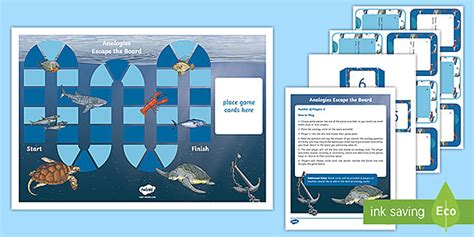
The best way to learn is often by doing. While a guide is static, it can still encourage interaction. Suggest specific in-game areas or training modes where players can practice a newly explained mechanic. If a guide is digital, consider embedded mini-quizzes or interactive diagrams. Even simple “Try this now in the game” prompts can bridge the gap between reading and application, solidifying understanding through hands-on experience.
Clear, Concise Language: Banishing Jargon
Finally, the language used in a guide is critical. Avoid game-specific jargon where possible, or if unavoidable, clearly define it upon its first use. Use simple sentence structures, active voice, and direct instructions. Imagine you’re explaining the game to someone who has never played any video game before. Clarity trumps cleverness; the goal is understanding, not demonstrating vast knowledge of the game’s intricacies. Regular use of bullet points and short paragraphs also enhances readability.
Mastering the art of simplifying complex game mechanics for new player guides is an ongoing process of empathy and clarity. By breaking down information, leveraging visuals, progressively disclosing details, using relatable examples, encouraging practice, and employing straightforward language, guide creators can transform potential frustration into an enjoyable journey of discovery for every new player. The ultimate goal is not just to explain the game, but to empower players to confidently explore its depths on their own terms.