What actionable steps help find quality, truly hidden indie games beyond storefront algorithms?
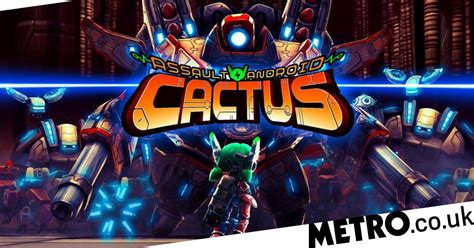
Beyond the Algorithm: Unearthing Indie Treasures
In a gaming landscape saturated with new releases, the quest for genuinely hidden indie gems can feel like searching for a needle in a digital haystack. Storefront algorithms, while useful for surfacing popular titles and personalized recommendations, often fall short when it comes to the truly obscure, innovative, or niche games that haven’t yet garnered massive attention. These algorithms are designed for discoverability based on metrics like sales, reviews, and playtime, inadvertently creating echo chambers that can bury smaller, unconventional projects. To find those diamond-in-the-rough experiences, gamers need to go off the beaten path and adopt more proactive, community-driven strategies.

The Algorithm’s Blind Spots
Storefront algorithms, whether on Steam, PlayStation, Xbox, or Nintendo eShop, primarily prioritize games that are already performing well. This creates a feedback loop: popular games get more visibility, leading to more sales, which further boosts their algorithmic ranking. While this system helps surface established hits, it significantly disadvantages new, experimental, or niche indie titles that lack initial marketing budgets or mainstream appeal. Many brilliant games, crafted by passionate small teams, never see the light of day simply because they don’t fit the algorithmic mold, remaining hidden beneath layers of more visible, algorithm-favored content.
Dive into Dedicated Indie Communities
One of the most effective ways to find hidden gems is to immerse yourself in communities specifically dedicated to independent games. Platforms like Reddit (r/indiegames, r/patientgamers, r/gamingsuggestions), Discord servers hosted by indie game publications or developers, and specialized forums are goldmines. Members often share their personal discoveries, discuss overlooked titles, and provide nuanced recommendations that go far beyond what an algorithm could offer. Engaging with these communities allows you to tap into collective knowledge and passionate curatorial efforts.

Follow Independent Curators and Small Streamers
Move beyond the mainstream gaming news outlets and popular streamers. Seek out independent game critics, small YouTube channels, and Twitch streamers who specifically focus on showcasing obscure or overlooked indie titles. These individuals often have a genuine passion for discovery and a keen eye for quality that might not align with broader trends. Their smaller audience sizes mean they’re more likely to cover games that truly need the exposure, offering detailed reviews and gameplay impressions that can help you decide if a game is for you.
Explore Game Jams and Developer Showcases
Many innovative indie games start as prototypes in game jams or are showcased at digital festivals. Websites like itch.io regularly host game jams, and by exploring the submissions, you can find incredibly creative and experimental titles often available for free or ‘pay what you want’. Following organizations like The IGF (Independent Games Festival) or initiatives like Steam Next Fest (and browsing the less-hyped demos) can also lead you to promising projects before they hit mainstream radar. Keeping an eye on emerging talent from these sources can give you a head start in discovering the next big (or beautifully small) thing.
Embrace Niche Platforms and Bundles
While Steam dominates, platforms like itch.io are treasure troves for truly independent and experimental games, often with a more creator-friendly ecosystem. Humble Bundle frequently curates fantastic indie bundles, many of which contain lesser-known but high-quality titles. Exploring these alternative storefronts and bundle sites widens your net considerably beyond the usual suspects. Additionally, some console digital stores have specific sections for new or experimental indie titles that are worth a deeper dive.
Connect Directly with Developers
Small indie developers often use social media (Twitter, Mastodon, Bluesky), their personal blogs, or dedicated Discord servers to share development updates, solicit feedback, and announce their games. Following developers whose previous work you’ve enjoyed, or simply searching for games in early development, can lead you to discover projects long before they gain significant traction. This direct engagement not only helps you find games but also allows you to be part of their journey.
Leverage Word of Mouth and Personal Networks
Sometimes, the best recommendations come from trusted friends or fellow gamers who share your tastes. Actively discuss games with your personal network, share your own hidden finds, and ask for their most cherished, under-the-radar experiences. A personal recommendation from someone who knows your preferences can often cut through the noise more effectively than any algorithm.

Conclusion: Your Quest for Unseen Worlds
Finding quality, truly hidden indie games requires a shift from passive consumption to active exploration. By engaging with dedicated communities, supporting independent curators, diving into alternative platforms, and directly connecting with developers, you empower yourself to unearth unique and unforgettable gaming experiences that the algorithms might never show you. This active pursuit not only enriches your own gaming library but also provides crucial support to the vibrant, innovative, and often overlooked segment of the video game industry that is independent development. The next hidden masterpiece is out there, waiting for you to discover it.