What actionable steps ensure kids game safely online?
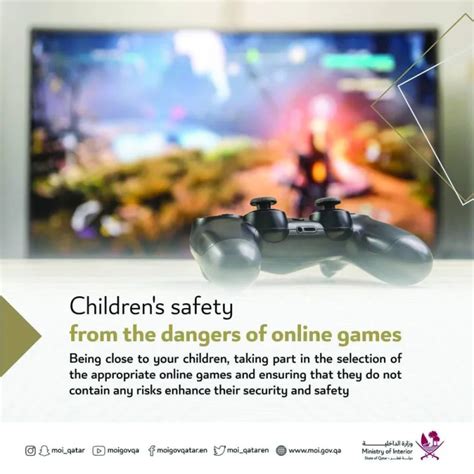
In an increasingly digital world, online gaming has become a popular pastime for children. While it offers entertainment and social connection, it also presents unique challenges concerning safety. Parents often grapple with how to let their children enjoy these virtual worlds while mitigating potential risks like cyberbullying, inappropriate content, and privacy breaches. The good news is that with a proactive approach and consistent effort, you can create a safer online gaming environment for your kids. Here are actionable steps to ensure they game safely online.
Setting Up Strong Foundations: Parental Controls
One of the first and most crucial steps is to utilize the parental control features available on gaming consoles, platforms, and devices. These tools allow you to manage various aspects of your child’s online gaming experience, including age-restricted content, spending limits, communication settings, and play duration. Familiarize yourself with these settings and configure them according to your child’s age and maturity level. Regularly review and update these controls as your child grows and their gaming habits evolve. Many home routers also offer network-level parental controls that can filter content and manage internet access across all connected devices.
Open Communication: The Best Defense
Technology alone isn’t enough; open and ongoing communication is your most powerful tool. Talk to your children regularly about their online activities, asking about the games they play, who they play with, and what they experience. Create an environment where they feel comfortable sharing any uncomfortable or concerning interactions without fear of punishment. Educate them on what constitutes appropriate online behavior, the importance of treating others with respect, and the dangers of sharing personal information with strangers. Establish clear rules and consequences for online conduct, ensuring they understand the ‘why’ behind them.
It’s vital to explain concepts like digital footprints and the permanence of online content. Encourage them to think critically before clicking, sharing, or responding to messages. Reinforce that if something feels wrong or makes them uncomfortable, they should immediately come to you.

Managing Screen Time and Game Choices
Balance is key. While online gaming can be engaging, it shouldn’t consume all of your child’s free time. Establish clear screen time limits and ensure these are consistently enforced. Use timers or built-in parental controls to help manage play duration. Encourage a variety of activities beyond gaming, including outdoor play, reading, and family time. Furthermore, pay close attention to the games your children are playing. Check age ratings (like ESRB or PEGI) and review game content to ensure it’s appropriate for their developmental stage. Some games, even if age-appropriate, might contain in-app purchases or features that require monitoring.

Protecting Personal Information: Privacy Settings
Teach your children the importance of privacy and never to share personal information online. This includes their real name, age, address, school, phone number, or even what city they live in. Review and configure the privacy settings within each game and platform they use. Many games allow you to set profiles to private, limit who can send messages, or disable voice chat entirely. Explain why these settings are important and how they protect them from potential predators or cyberbullies. Remind them that not everyone online is who they say they are.

Empowering Kids: Reporting and Recognizing Risks
Empower your children to be their own advocates. Teach them how to use in-game reporting tools for inappropriate content, bullying, or suspicious behavior. Show them how to block or mute players who make them uncomfortable. Discuss scenarios like being asked for personal information, receiving strange links, or encountering cyberbullying, and equip them with strategies for handling such situations. Reassure them that reporting these incidents is a brave and responsible action, not a way to get in trouble. Regularly check their friend lists on gaming platforms and discuss who they are playing with.

Conclusion: A Continuous Journey
Ensuring kids game safely online is not a one-time setup; it’s an ongoing conversation and a continuous process of monitoring, educating, and adapting. Stay informed about the games your children play and the platforms they use. Lead by example by demonstrating responsible online behavior yourself. By combining technological safeguards with open communication and proactive education, you can help your children develop the digital literacy and critical thinking skills needed to navigate the online gaming world safely and enjoyably.