To hook new players, what essential ‘first steps’ must a beginner game guide cover?

The initial hours of any new game are critically important. A well-crafted beginner guide doesn’t just explain mechanics; it builds excitement and confidence, transforming potential frustration into genuine enjoyment. To truly hook new players, a guide must anticipate their needs, answer their questions before they’re asked, and pave a smooth path into the game world. Here are the essential ‘first steps’ every beginner game guide should meticulously cover.
Setting the Stage: Installation and Initial Setup
Before new players can even think about gameplay, they need to get the game running optimally. A truly helpful guide addresses these practicalities upfront, ensuring a barrier-free entry.
- System Requirements & Installation: Briefly confirm minimum specs and walk through the installation process, including any required patches or account setups.
- Initial Settings & Configuration: Advise on crucial graphics, audio, and control settings. Highlight accessibility options (e.g., colorblind modes, subtitles) that can make a world of difference. Explain how to rebind keys or adjust mouse sensitivity.
- Troubleshooting Basics: Offer quick fixes for common issues like launch failures or audio problems, or direct players to official support channels.
Navigating Your World: Controls and User Interface
Many new players abandon games because they feel lost or overwhelmed by the interface and control scheme. A solid guide demystifies these fundamental interactions.
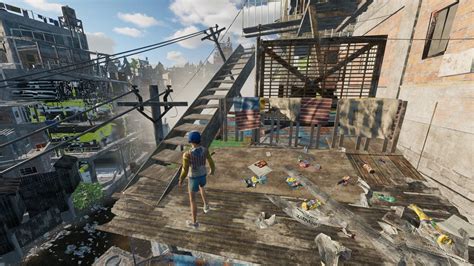
- Basic Movement & Camera: Clearly explain how to move their character, interact with objects, and manipulate the camera. Use common terminology (WASD, left-click, right-click).
- Key UI Element Breakdown: Identify and explain the purpose of essential on-screen elements: health bars, mini-maps, quest logs, inventory slots, ability hotbars, and communication channels. Show rather than just tell.
- First Interactions: Guide players through their very first simple interaction, like picking up an item or talking to an NPC, reinforcing the control scheme in a practical context.
Your First Adventure: Guided Introduction to Gameplay
Don’t just explain; show. The most effective guides walk players through their very first objective, turning abstract instructions into concrete experiences.
- The Tutorial Quest/Mission: Provide a step-by-step walkthrough of the initial tutorial or first mission. Highlight what actions to take, why they are important, and what rewards to expect.
- Learning by Doing: Emphasize the core loop of the game (e.g., accept quest, go to location, defeat enemy, return for reward) through this guided experience.
- Introducing Key Characters/Lore: Use this early segment to introduce crucial NPCs or foundational lore without overwhelming the player.

Understanding the Core: Mechanics Made Simple
Once players can move and interact, it’s time to introduce the game’s core mechanics. This should be done incrementally, avoiding jargon and breaking down complex systems into digestible chunks.
- Combat Basics: If applicable, explain the fundamental combat loop – attacking, defending, using abilities – with simple examples.
- Resource Gathering & Crafting: For games with these elements, demonstrate how to acquire basic resources and craft a simple item.
- Progression Systems: Briefly touch upon how players will get stronger or unlock new abilities, whether through leveling up, skill trees, or equipment upgrades.

What’s Next? Guiding Early Progression and Goals
After the initial hand-holding, players need a sense of direction and purpose. A good guide helps them set immediate goals.
- Immediate Next Steps: Suggest what players should aim for after completing the tutorial – the next main quest, unlocking a specific ability, or reaching a certain level.
- Encouraging Exploration: Gently encourage players to explore the world, highlighting safe areas or beneficial early discoveries.
- Community & Resources: Point players towards in-game help systems, official wikis, forums, or community channels where they can find more advanced information or connect with other players. This fosters a sense of belonging and provides a safety net.

By thoroughly covering these essential ‘first steps,’ a beginner game guide goes beyond mere instructions. It acts as a welcoming hand, removing barriers, fostering curiosity, and priming new players for long-term engagement and enjoyment, ultimately ensuring they not only start playing but keep coming back for more.